Get Full Government Meeting Transcripts, Videos, & Alerts Forever!
Get email alerts on the Wild Burros topic
No spam. Unsubscribe anytime.
Residents urge return of donkeys, raise safety and transparency concerns after county roundup
Summary
Dozens of residents and animal advocates used the Board of Supervisors' public‑comment period to demand accountability after a recent roundup of wild burros, asking the county to return animals, publish records, and improve road safety; speakers also accused the contractor of misleading practices and cited possible Brown Act concerns.
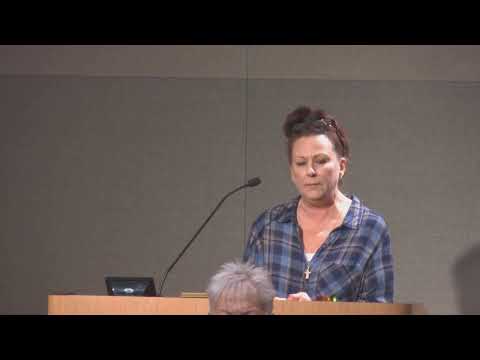
Dozens of residents, rescuers and advocates addressed the San Bernardino County Board of Supervisors during the meeting's public‑comment period to press the county for information and action after a recent roundup of wild burros in local canyons.
The comments centered on calls to return animals taken during the roundup, requests for a public accounting of where animals were transported, and demands for better road safety measures where burros and vehicles commonly cross. Speakers thanked the board for what they said was a recent cancellation or pause of a contract with Peaceful Valley Donkey Rescue but asked for greater transparency about the number and disposition of animals removed.
Why it matters: Residents said the burros reduce brush and help lower wildfire risk, and they urged the county to prioritize keeping animals locally. Speakers also linked concerns about animal welfare to public safety on canyon roads, where they described repeated collisions and a need for crossing signage and lighting.
Several speakers described specific animals and conditions. Vicki Brown, a resident and local advocate, said the county should "bring our donkeys home" and asked for a photographic list of jennies taken during the roundups; she asked for accounting of euthanasia, transfers and any subcontracted transport companies. Another speaker, Maximus Heggart, who identified himself as a former employee of a Texas organization that receives animals, described welfare and transport risks when donkeys are moved long distances and kept in large paddocks, saying those practices can separate bonded mothers and foals and heighten mortality risk.
Other speakers pressed for operational changes and community safety steps. Shelley Tucas, a longtime canyon resident, asked the board to work with community groups to restore or expand fire roads and improve access for firefighting. Several commenters called for additional crossing signs, speed controls and street lighting along stretches with frequent burro crossings; Brianna Delgado and Nancy Mitchell urged collaboration to reduce vehicle collisions and protect both animals and drivers.
Some public speakers also raised procedural and legal concerns. Mickey McDonald referenced California Government Code section 54950 (the Brown Act) and said the public should have been informed earlier about any proposed contract; that comment was part of a broader demand for disclosure about the county's dealings with contractors and about where animals were staged or moved.
Board action and status: No formal board vote on the roundups or on returning animals was recorded on the transcript of this meeting. Public comments and requests for further information were placed on the record; multiple speakers asked the board to provide lists and photos of animals taken and to coordinate with local rescuers for reunifications and long‑term care.
Claims made by speakers (as stated at the meeting): Vicki Brown and others said 256 animals had been taken; multiple speakers reported seeing trailers moving burros to Arizona or Texas and alleged separation of mothers and foals. Speakers said they were told some animals were staged out of state. Those counts and transport routes were presented by residents and rescuers during public comment and were not verified in this meeting's record.
What residents asked the board to do next: Publish a photographic inventory and locations of animals removed; prioritize returning animals to local custody where feasible; convene local rescuers and Donkey Land to manage animals locally; install or fund additional traffic signage, lighting or speed controls on canyon roads used by burros; and provide a public accounting of any contracts, subcontracts and transport arrangements.
A closing note: Several speakers framed the burros as a local environmental asset. Randy Roberts thanked the board "for changing their contract with Peaceful Valley and stopping the roundup," while others pledged continued public oversight until the animals are returned or adequately accounted for.