Get Full Government Meeting Transcripts, Videos, & Alerts Forever!
Get email alerts on the Interim City Manager topic
No spam. Unsubscribe anytime.
Homewood committee interviews finalists for interim city manager as council shifts to council–manager form
Summary
A five-member Homewood City Council committee interviewed two finalists and discussed hiring priorities, timeline and operational needs as the city prepares to change its government to a council–manager form effective Nov. 1, 2025.
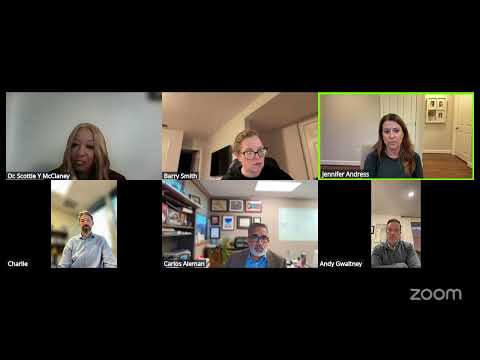
A five-member committee of the Homewood City Council interviewed finalists for an interim city manager role on the committee's schedule Thursday, pressing candidates on budgeting, human resources and managing a transition as the city prepares to switch to a council–manager form of government on Nov. 1, 2025.
The committee repeatedly emphasized the need for an interim executive who can “serve as the bridge between where we are today and the future,” Barry Smith, council member for Ward 4 and a committee member, told candidates. Smith said the council passed “an ordinance at last night's council meeting” authorizing the hire; he and other members described a goal of having someone in place by March 1 and explained how state law allows an interim hire to remain for four months after the new council is sworn in.
Why it matters: Homewood is shifting from an 11-member council to a four-member council plus an elected mayor and expects the interim manager to provide continuity, centralize operations—particularly human resources—and take the lead on the 2025–26 budget cycle. The city has about 26,000 residents, roughly 350 employees and a fiscal 2024–25 budget that committee members described as “just south of $70,000,000.” Staff and council members told candidates they expect the interim manager to start meeting department heads immediately, coordinate a five-year capital program and act as the primary point of contact for constituent communications.
Committee questions focused on three themes: risk management, fiscal management and communications. Candidates answered from their experience in municipal administration and in managing grant-funded programs.
David (applicant): experience and priorities
One candidate who identified himself as David (preferring "Dave") described 35 years of municipal experience, including human-resources and administration roles in several Illinois jurisdictions and a prior role in Jefferson County. He told the committee, “I've got over 35 years of experience in municipal government,” and said his typical first steps would be to inventory current processes, meet department heads and convert any existing strategic plan into actionable work programs. On budgeting he said the budget should be a communication tool for residents and recommended quarterly council updates, a rolling five-year capital improvement program and conservative revenue estimates.
Scottie McClaney (applicant): community engagement and grants experience
Scottie McClaney, who uses the honorific "Doctor" and identified himself as a native of Birmingham and a local board member, discussed managing federal funds and neighborhood engagement. McClaney said he would prioritize listening tours with department heads and stakeholders, then deliver a clear summary of findings to the council and public. He told the committee, “I will bring a fresh perspective to this position, that's not tied to the way things have always been done.” He cited experience overseeing a $3,000,000 federally funded program and several appointed municipal board roles.
Operational needs and constraints discussed
Committee members stressed several operational gaps and transition tasks they expect the interim manager to address: the city currently lacks a full-time HR department, relies on the Jefferson County personnel board for some services, and is preparing to contract out payroll. Jennifer Andrus (committee member) said onboarding and consistent personnel policies are urgent needs. Committee members also described the city organization as decentralized—"individual businesses" run by department heads—and said centralization and consistent HR practices would reduce legal and operational risk.
Timeline and next steps
Committee members said they interviewed eight candidates in the first round and plan to narrow the list, invite finalists to Homewood for in-person facility tours and department-head meetings, and aim to have an interim manager start close to March 1. Smith explained the legal timing: the council-manager form goes into effect Nov. 1, 2025, the new council will likely be sworn in Nov. 3, and state law cited by committee members permits an interim appointment to remain up to four months after the changeover (the committee described that window as through March 1, 2026). Committee members said they expected to reconvene to pick semifinalists and notify candidates in the following week.
Quotes and sourcing
“By law in Alabama, you have to pass an ordinance, no less than 30 days and no more than 60 days in advance of someone coming in,” Barry Smith said while describing the committee's authority and timeline. David said, “I've tried to make those budgets into a fashion that they need to be a communication tool to help the citizens understand what we're doing with their money.” McClaney said one of his first actions would be to “listen to what [department heads] have to say and then come back to do an analogy or a thing of what it is I've actually heard them say.”
What the meeting did not resolve
Committee members and candidates discussed priorities and process but did not name a finalist or provide a formal vote at this meeting; the ordinance authorizing hiring had been passed previously (committee members said it passed at the council meeting the night before). No salary, contract terms, ordinance number or vote tallies were given during this interview session.
The committee plans to bring semifinalists to Homewood for in-person meetings with department heads and the mayor, then make a hiring recommendation based on those visits and the shortlist produced from these interviews.