Get Full Government Meeting Transcripts, Videos, & Alerts Forever!
Get email alerts on the School Age Childcare topic
No spam. Unsubscribe anytime.
Parents and staff press board to save school‑age childcare; board approves summer learning and asks administration to redesign SACC
Summary
Following multiple public comments urging retention of the district’s school‑age childcare (SACC) program, the board approved a $528,000 summer learning plan and asked staff to return with a revised, financially sustainable SACC model rather than eliminate the program immediately.
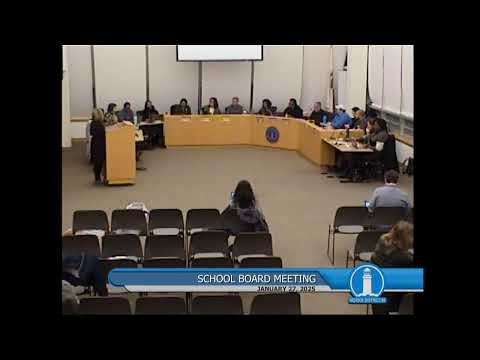
Evanston CCSD 65 heard more than a dozen public commenters Jan. 27 urging the school board not to cut the district’s school‑age childcare program and to preserve early childhood and summer supports for working families. After public comment and a lengthy board discussion, trustees approved the administration’s summer learning plan and directed staff to reimagine the summer school‑age childcare program, asking for a clearer plan and budget before finalizing the summer SACC operations.
The board unanimously approved the 2025 summer learning proposal (estimated cost $528,000). Separately, trustees approved a motion to proceed with a variation of “option 1” for summer school‑age childcare and asked administration to return quickly with a reimagined, sustainable model and clearer cost and staffing details.
Speakers representing District 65 educators and parents described SACC as essential for working families and for children with special needs who rely on the program’s continuity and specialized support. Dr. Tricia Baker, DEC union president, warned that district decisions affecting staff should be made consistent with the district’s core values and noted the anxiety reductions would cause. Instructional coach Emily Castillo urged the board to “keep students at the center” and to prioritize staff who work closest to students.
Liza Faulconer, a speech‑language pathologist, highlighted the early childhood center’s integrated services (Head Start, Preschool for All, and SEED), saying proposed general‑education transportation cuts would harm families who rely on midday busing to access half‑day preschool programs.
Natalie Copper, president of the local association EACCP and a longtime SACC coordinator, asked that the district place her full written presentation in the record and described the program’s long history of serving families. “That bill has not been paid… the enrollment cost alone for a minimum of 7 students was $12,600,” Copper said, describing an outstanding reimbursement the program had expected from the district. Several parents and staff echoed concerns about lost revenue, staffing burdens, and the program’s role supporting families with work schedules that fall outside typical business hours.
Board members said they wanted a sustainable plan rather than an abrupt termination. Administrators outlined options to reduce SACC costs, including shortening the number of weeks, moving from two shifts to a single shift, adjusting operating hours, raising fees and using a sliding scale for families on income‑based subsidies, and aligning staffing to DCFS ratios where possible. District staff said many of the program’s expenses (staff time, custodial overtime, transportation and food) drive the cost structure and must be addressed to make the program self‑sustaining.
The board voted to approve the summer learning plan as presented and to adopt a motion directing administration to return with a revised SACC proposal (a “variation of option 1”) that preserves summer childcare while reducing district subsidy and showing a path to financial self‑sustainability. Several trustees also asked the administration to survey families and coordinate with community partners to expand before/after‑school options and to explore siting options (for example, at the Early Childhood Center) that could reduce transportation costs.
Quotes from public commenters reflected the breadth of the appeal: “The heart of education lies in the schools where children learn, grow, and are supported, not in the offices that have grown into an empire,” Emily Castillo told the board. Natalie Copper said SACC staff “worked extra hours…to keep our children safe” during earlier emergency operations and asked to be included in planning conversations. Parents including Melissa Fitsloff and Celia Gardner described SACC as a “trusted partner” that allowed them to work and keep their children in a safe, consistent environment.
The board’s decision preserves a district‑run summer learning program this year while requiring the administration to produce a clearer, cost‑recovery plan for SACC and to return with specifics on hours, fees and staffing models in the near term.