Get Full Government Meeting Transcripts, Videos, & Alerts Forever!
Get email alerts on the Pace Program topic
No spam. Unsubscribe anytime.
Oviedo council directs attorney to begin ending residential PACE participation after public concerns
Summary
After public testimony from PACE providers and a Seminole County tax-collector briefing showing relatively few participants but large tax‑bill increases for some, Oviedo councilmembers gave consensus direction to staff to prepare a resolution to terminate the city's interlocal agreements that let PACE assessments go on local tax rolls.
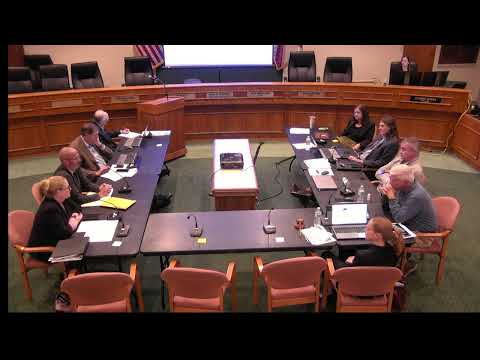
Oviedo councilmembers on Jan. 27 moved to end the city's role in residential PACE assessments, directing the city attorney to prepare a termination resolution after a public hearing that included PACE providers and the Seminole County tax collector.
The vote followed public comments from two PACE program representatives and then a presentation from the Seminole County tax collector, who said 27 PACE assessments are recorded inside Oviedo city limits and summarized countywide figures and tax impacts.
The PACE (Property Assessed Clean Energy) speakers urged the council to retain at least commercial PACE services while noting recent state statutory changes. Ryan Barkus, identified in the meeting as senior director of programs for the Florida Development Finance Corporation, said, "I'm here today to express my support for continuing the PACE program in Oviedo." Matthew Choi of Renew Financial said changes in Florida law aim to add consumer protections, adding that "approximately 45% of Floridians right now are able to take advantage of the R PACE program." Both offered to answer questions from council.
Seminole County tax collector J O Crow told the council the county has 178 PACE parcels and that Oviedo had 27. Crow described how PACE assessments appear on tax rolls and reported average tax‑bill increases tied to some recorded PACE assessments in Oviedo: "Florida Resiliency has 1 parcel... that one's a 20% increase," he said, and for other providers he reported average increases of roughly 110% (Florida PACE Funding), 191% (Ygrene) and 273% (Florida Green Finance Authority) for the parcels they hold in the city. Crow warned these assessments are placed above other liens on the tax bill and said the collection process can lead to foreclosure if an assessment is not paid.
City staff briefed the council on the program's mechanics and statutory background. Deputy Mayor Cobb reminded members that the city signed interlocal agreements with multiple PACE districts in 2017 and said the program uses private funds and places non‑ad valorem assessments on tax rolls collected by the tax collector. Staff also summarized recent state action (Senate Bill 770 was referenced in public remarks) that clarified interlocal agreement requirements and added consumer protections.
After discussion, councilmembers expressed concern about the residential program and its consumer impacts and agreed to direct staff and the city attorney to prepare a resolution terminating the city's existing PACE interlocal agreements. Councilmember Britton said she would "opt out," and other members voiced support for removing residential PACE while allowing staff to preserve the option of commercial PACE if appropriate. City staff indicated the termination would follow the notice and termination provisions of the individual interlocal agreements; timing will depend on each agreement's terms.
The direction does not immediately cancel existing assessments already recorded on property tax rolls; city staff and the tax collector noted that previously recorded assessments remain in force and will continue to be collected under existing agreements.
Council asked staff to return with a formal resolution and the termination schedule consistent with each agreement's requirements.