Get Full Government Meeting Transcripts, Videos, & Alerts Forever!
Get email alerts on the Housing Lodging topic
No spam. Unsubscribe anytime.
Inspection Services urges Lynn commission to require lodging-house licensing after inspections find overcrowding and safety concerns
Summary
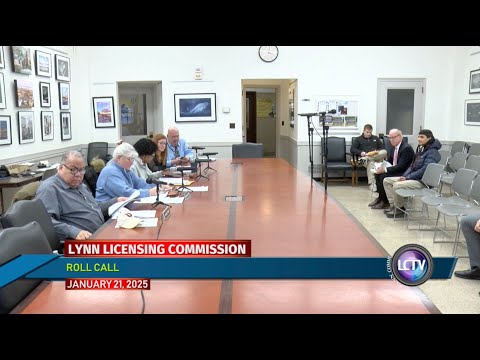
Inspection Services told the Lynn City Licensing Commission that routine inspections have identified properties that may be operating as unlicensed lodging houses or sober homes with overcrowding and safety problems.
Inspection Services told the Lynn City Licensing Commission that routine inspections and tenant complaints have uncovered properties that appear to be operating as lodging houses or sober homes without required licensing and with potential public-safety and sanitary-code violations.
The inspection representative said many properties—possibly hundreds, according to the department’s view—are being used to rent rooms to individuals and that some units have padlocks on bedroom doors, overcrowded basements and attics, inadequate egress, and poor sanitary conditions. Under state law as described in the meeting, a dwelling with six or more unrelated persons may meet the city’s definition of a lodging house and therefore require a lodging-house license and inspections.
Why this matters: Unlicensed lodging houses with overcrowding, insufficient egress, or inadequate heat and sanitation can create public-safety hazards and expose the city to liability if officials have knowledge of unsafe conditions and do not act. Requiring licensing would enable more frequent inspections and fire-safety reviews.
Key points from the discussion - Inspections and scale: Inspection Services reported that city reviewers encounter potential lodging-house conditions primarily during the once-every-five-years inspection cycle for multi-family units and that many problematic properties may not be captured by that schedule. - Sober houses and vulnerable populations: Staff noted many of the properties identified are sober houses or facilities housing vulnerable tenants; the department said those tenants may be reluctant to complain and that some operators receive state funds tied to placements. The department named one facility (141 North Common Street) that had been removed from a state list and noted a history of allegations in at least one federal-court matter (as described to the commission). - Zoning and legal limits: The commission was told that state law prevents zoning every sober house out of a neighborhood and that federal disability-discrimination laws could limit local restrictions on sober-house locations. However, the licensing board does have discretion to determine whether a lodging-house license is appropriate in a given area based on safety and neighborhood character in some circumstances. - Enforcement capacity: The department said the city currently has one zoning enforcement officer and suggested three would enable substantially greater enforcement coverage. Staff said a multi-agency task force, including Fire, Health and Inspection Services, is convening to develop coordinated responses.
Commission direction and actions - The commission voted to place a presentation from Inspection Services on the Feb. agenda so staff can present inspection findings and recommended next steps. Outcome: motion approved. - Inspection Services plans to draft a letter for the commission’s licensing process that would notify owners the city believes the property meets the lodging-house definition and invite them to apply for a lodging-house license; staff said the letter would be circulated to the board in advance of the Feb. meeting. Outcome: staff direction (preparation and circulation of letters). - Legal follow-up: Commission members discussed the potential need for law-department involvement for properties that do not comply after notification; staff indicated legal action might be appropriate for some operators. Outcome: potential referral to law department (discussion; no formal vote recorded).
What the record does and does not show The transcript includes a lengthy presentation by Inspection Services describing recurring unsafe or overcrowded conditions and a request that the commission authorize outreach and licensing steps. The record shows the commission approved placing the topic on the Feb. agenda and asked for a written recommendation and presentation from Inspection Services; it does not record a decision to adopt a citywide ban or to change zoning. The transcript records concerns about litigation risk and federal disability-discrimination limits on zoning for sober houses; those legal constraints were described by staff in the meeting, not decided by the commission.
Next steps Inspection Services will prepare and circulate a draft letter identifying properties it believes meet the lodging-house definition and will present findings at the Feb. meeting. The commission, Fire Department and the law department may consider enforcement or legal referrals for noncompliant operators following the Feb. presentation.