Get Full Government Meeting Transcripts, Videos, & Alerts Forever!
Get email alerts on the Renewable Energy topic
No spam. Unsubscribe anytime.
Developer outlines 300 MW solar and 200 MW battery plan in southwest Young County; court asks for formal application
Summary
Titus/Titabora representatives presented a proposed 300 MW solar farm with a 200 MW battery energy storage system. Commissioners discussed lease terms, expected local jobs, road impacts and next steps for a formal application; a commissioner disclosed a family mineral interest under the site.
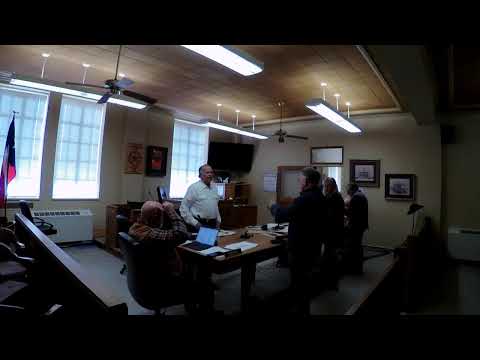
Representatives of the developer presented the proposed Tabadora solar and battery project to Young County Commissioners Court on Jan. 27 and asked the court to accept a formal application to begin local review and abatement discussions.
Jeff Ferguson, identified as the president of Titusville Development Ventures, and Robert Pena described the project as a roughly 300‑megawatt solar array paired with a 200‑megawatt on‑site battery energy storage system (BESS). They said the project footprint would cover multiple thousand acres in southwest Young County (the presentation used the working name "Tapplaros/Tabadora"). Ferguson said development has progressed through interconnection screening and early technical work and that commercial construction could begin in a timeframe consistent with a 2027 start if interconnection and permitting milestones proceed.
Presenters discussed typical project terms and impacts: a lease structure described in the meeting as 30 years with two 10‑year extensions (30 + 10 + 10), and an option/entitlement period described as five years during development. Ferguson estimated about seven full‑time onsite operations employees after construction and said many construction workers are contracted during the build phase; the presenters said they expect most operations staff to live locally when feasible. They noted decommissioning and reclamation obligations similar to other large energy projects.
Commissioners raised concerns about road use and potential damage during construction; the presenters said they would work with the county on road‑use and maintenance agreements and that their intention is to minimize county road impacts by using primary highways where practicable. Commissioners asked for a formal application packet; the court asked the developer to submit the application so county counsel can review abatement or agreement terms. County leadership also said legal review costs associated with evaluating an abatement or a road‑use agreement would be requested for reimbursement by the developer as part of the process.
Judge Graham disclosed a personal conflict: he said his family holds a significant mineral interest beneath the proposed site and that he had signed a waiver agreement related to surface use; he stated he would not vote on related matters. The court did not vote on any incentives or approvals at the meeting; county staff asked the developer to formally submit an application and supporting documents for the county attorney’s review.
Developers said construction lead time for utility interconnection studies can be 18–24 months, and that solar project construction typically takes about 18 months once financing and permits are in place. The companies noted the industry’s trend toward longer panel life expectancies and that inverters and battery electronics are typical maintenance items over the life of a project.