Get Full Government Meeting Transcripts, Videos, & Alerts Forever!
Get email alerts on the First Amendment K12 topic
No spam. Unsubscribe anytime.
Massachusetts AG office: schools have broader authority than government to regulate disruptive student speech
Summary
Jonathan Burke of the Massachusetts Attorney General's Office told the commission that First Amendment limits on governments do not apply the same way inside K‑12 schools; schools may restrict student speech that causes material disruption or targets protected characteristics.
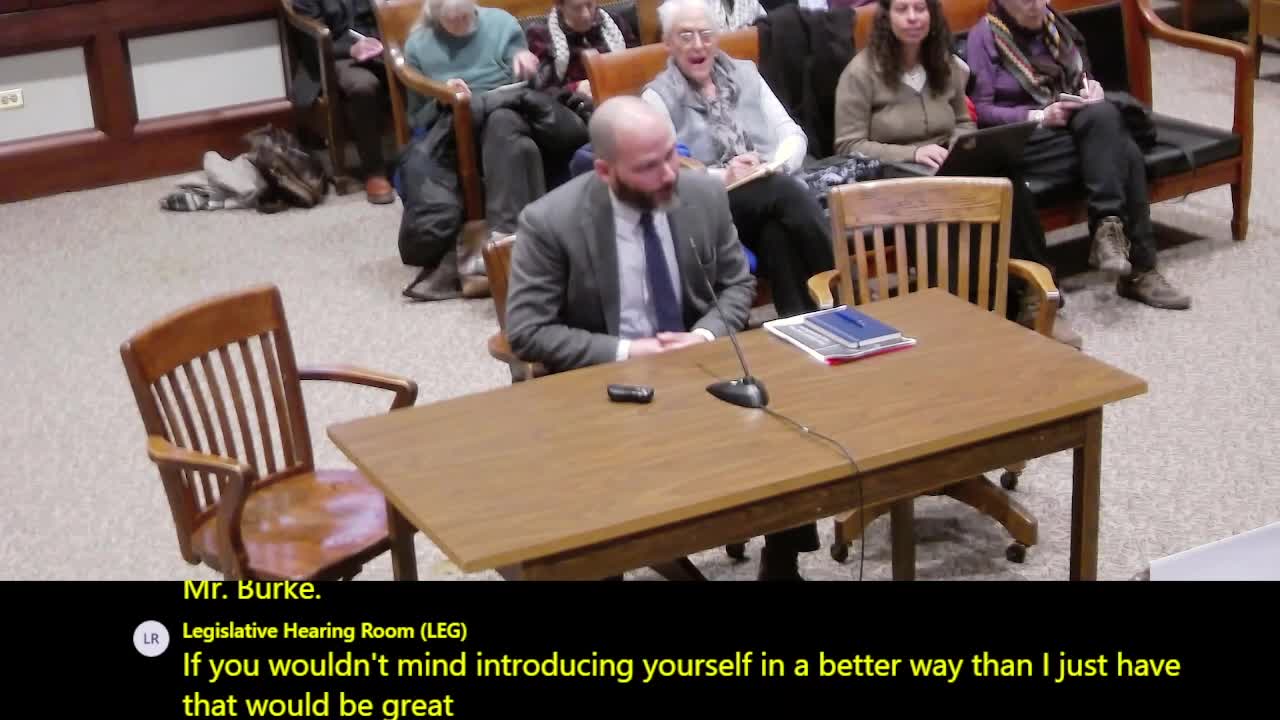
Jonathan Burke, managing attorney in the civil rights division of the Massachusetts Attorney General’s Office, briefed the Special Commission on Combatting Antisemitism on how First Amendment law applies to hate speech, bullying and school settings.
Burke emphasized that the First Amendment "severely restricts the government's authority to prohibit hate speech or impose civil or criminal penalties on individuals who engage in hate speech" outside schools, but that the legal analysis differs inside K‑12 settings. At schools, Burke said, officials can restrict student speech that is "reasonably likely to cause a material disruption to the learning environment or that interferes with the rights of other students." He said those rules allow schools to prohibit bullying and harassment targeting protected groups and to discipline students for conduct that crosses into harassment.
Burke described a second category—passive, non‑disruptive speech—where courts balance free expression against schools' obligations. He cited a recent federal appeals court ruling in Massachusetts upholding a school's decision to prohibit a student T‑shirt slogan the court concluded demeaned transgender students and could predictably cause disruption. "School officials can restrict student speech that is reasonably likely to cause a material disruption," he said, adding that Massachusetts law also imposes affirmative duties on schools to create a safe learning environment.
On teachers' speech, Burke said courts distinguish classroom speech from out‑of‑class speech. He said schools generally have authority to set curriculum and to require teachers to follow it; deviation from a required curriculum can be grounds for discipline when the school has clear policies and a legitimate pedagogical reason.
Burke also addressed off‑campus speech and social media. He said schools can act when off‑campus behavior has a carry‑over impact on the in‑school learning environment, but noted many determinations are fact‑specific. He recommended that school administrators consult district counsel, district attorneys, DESE, or the Attorney General's Office for guidance when questions arise.
On enforcement mechanisms, Burke noted time, place, and manner regulations can be permissible when content neutral and consistently applied; he cautioned, however, that such restrictions become unlawful if applied discriminatorily or if they are content‑based. Burke said that while incitement of imminent violence is not protected speech, the legal standard is narrow: courts ask whether the speech was intended and likely to produce imminent lawless action.
Burke closed by noting Massachusetts has comprehensive civil‑rights and hate conduct laws covering schools, housing and employment and that administrators concerned about specific incidents should consult available state guidance and legal counsel.