Get Full Government Meeting Transcripts, Videos, & Alerts Forever!
Get email alerts on the Speed Limits And Agriculture topic
No spam. Unsubscribe anytime.
Committee rejects bill that would set 80 mph interstate cap, add 40 mph minimum and require permits for farm equipment
Summary
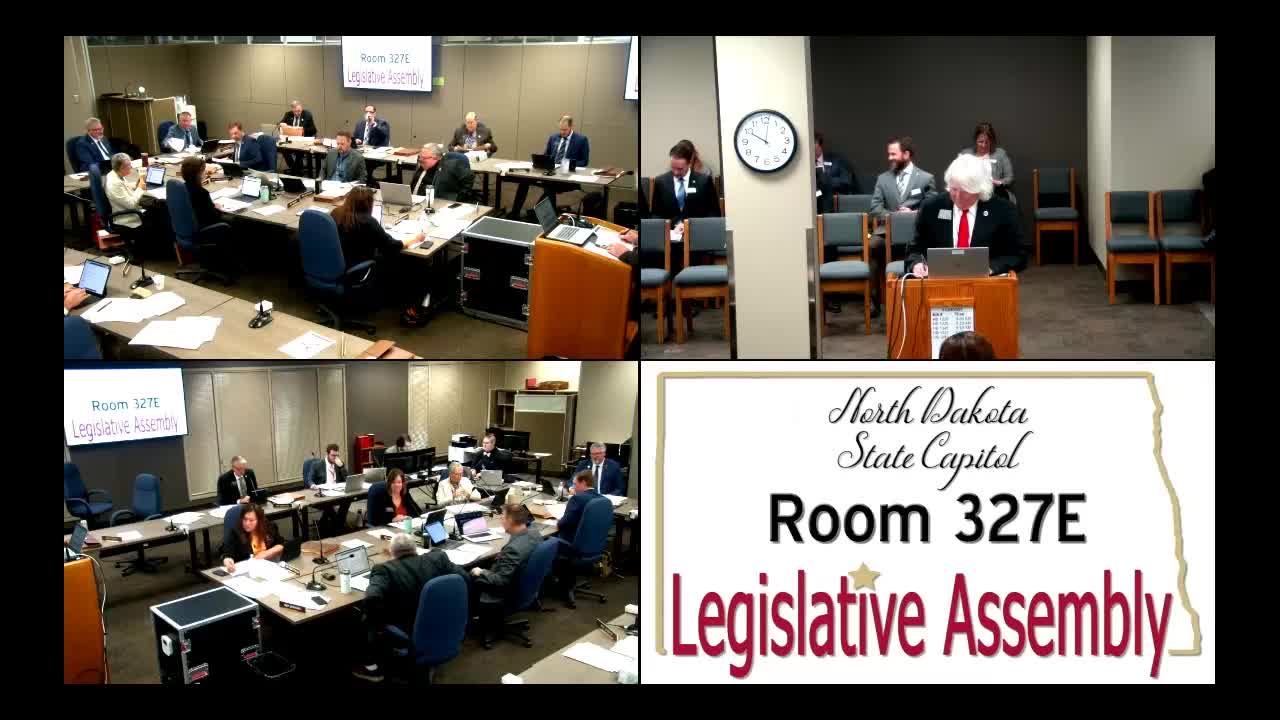
The House Transportation Committee voted 14-0 to recommend against House Bill 1421, which would have authorized an 80 mph posted interstate speed limit while also creating a 40 mph minimum, allowing DOT to create variable safety zones and instituting a $25 annual permit for farm equipment to travel on interstates.
Representative Scott Murphy opened the hearing on House Bill 1421, a compromise measure that would post 80 mph on eligible interstates while adding a 40 mph minimum speed and a permit scheme for farm equipment to use the interstate.
The bill sponsor said the measure was intended to give the Department of Transportation (DOT) tools to set higher posted speeds where appropriate, retain the ability to lower those speeds in known high‑crash areas, and allow agricultural operators to move slow equipment on interstates through a permit. “What does this bill bring? This bill brings 80 mile an hour speed limit,” Representative Murphy said. “It allows for reduction in speed, for safety.”
Why it matters: The measure sought to pair a higher maximum speed with a statutory minimum and an administrative permit for slow‑moving agricultural equipment. Supporters framed the permit as a voluntary convenience: pay a $25 annual fee per motorized implement to use the interstate rather than detouring long distances on lesser roads. Opponents said the combination of higher posted speeds, a minimum, and permitting would raise safety and operational concerns for producers who sometimes cannot avoid using interstates because of river crossings or local geography.
Major testimony and policy points - Support: Representative Murphy described the bill as a compromise version of prior 80 mph proposals, adding a 40 mph minimum at the request of North Dakota Highway Patrol and a $25 permit for each piece of motorized farm machinery to allow safe, permitted movement on interstates. He also described options for DOT to create safety zones that would lower speeds in specific locations. - Opposition: Pete Hanover of the North Dakota Farm Bureau and Ryan Gregg of the North Dakota Farmers Union urged rejection. Hanover said permitting would not fit farm operations driven by weather and timing: “Permits, farming and agriculture in general are, exceedingly dependent on weather conditions,” he said, and argued there was no feasible alternate route in many areas where river crossings are limited. Gregg cited state crash data showing farm‑equipment fatalities are rare: “According to North Dakota’s Vision 0, there was only 1 fatal crash involving farm equipment in 2024.” - DOT: Deputy Director for Engineering Matt Lineman and Driver and Vehicle Services Director Brad Schafer answered technical questions about sign costs, wind loading on supports, and whether DOT could make the change within its regular sign replacement budget. DOT estimated replacing 216 80‑mph signs would cost about $180,000; adding 40‑mph minimum signs (and supports/foundations) would increase costs substantially. DOT also said it would need to design permit and administrative processes if the measure moved forward.
Committee concerns and outcome: Lawmakers raised questions about where and how DOT would apply variable speed reductions, the administrative burden of a permit program, how permits would be displayed for enforcement, and whether interstates were the only roads affected. Multiple members argued the bill mixed too many policy changes into a single measure, and cautioned about fiscal and operational impacts on counties and producers. Representative Christensen moved a do‑not‑pass recommendation; the motion carried on a roll call (14–0) recorded by the clerk.
Where it goes from here: The committee’s do‑not‑pass recommendation means HB1421 will not advance from this committee as drafted. Representative Murphy said he would accept amendments and noted a separate 80 mph bill was already moving through the legislature; some committee members signaled interest in narrower language (for example, granting DOT authority for variable limits without the permit/minimum speed elements).