Get Full Government Meeting Transcripts, Videos, & Alerts Forever!
Get email alerts on the Budget topic
No spam. Unsubscribe anytime.
City staff previews biennial budget process and new electronic budgeting workflow
Summary
Finance staff outlined the schedule and process for building the next biannual (two separate one‑year) budget, including use of a Tyler ERP central budget module, study session dates in April, proposed and adoption meetings in May, Measure W fund planning and enhanced audit trails for budget entries.
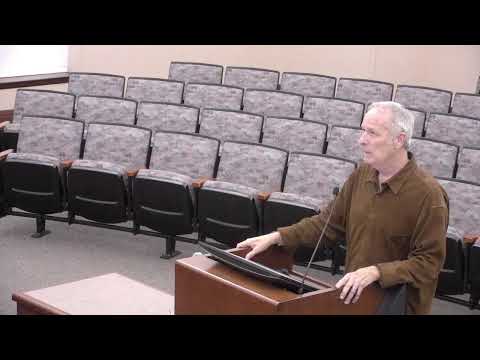
Kevin Biersack, Financial Services director, presented an overview on Jan. 22 of the city’s budget development timeline for the next biannual budget cycle and described a move to a centralized electronic budget entry workflow.
Biersack said the upcoming process covers two separate one‑year budgets and will rely on the Tyler ERP central budget entry module to capture three years of prior expenditures, current‑year activity and proposed budgets. He said the central module will allow departments to enter narratives, justifications and performance measures directly into the system rather than submitting separate spreadsheets, creating an auditable trail and reducing manual uploads.
The schedule Biersack presented calls for a mid‑March release of the budget workbook, two April study sessions (general fund on April 9 and special revenue/proprietary funds and five‑year plans on April 23), a proposed budget review at the first council meeting in May and adoption at the second May meeting. The presentation also stated the adopted budget will roll into the ERP on July 1, shortening the manual data‑load work that previously followed adoption.
Staff noted Measure W (the city’s half‑cent sales/use tax) will be budgeted in a separate fund with a straw‑man allocation included in materials. The finance team said departments will be trained on the new central module and asked to provide narratives and justifications tied to council goals and performance measures; management and finance will review departmental submissions before the April study sessions.
City manager and finance staff emphasized the operational efficiencies of the new workflow and said it provides multiple levels of review and an audit trail from baseline submission through proposed and adopted budgets. Staff invited council members to participate in afternoon briefings to review departmental materials and encouraged council feedback on the mid‑March workbook and the April study sessions.
Ending: Staff requested feedback and said the formal proposed budget will be presented in May; no final budget decisions were made at the Jan. 22 study session.