Get Full Government Meeting Transcripts, Videos, & Alerts Forever!
Get email alerts on the Criminal Appeals Plea Withdrawal topic
No spam. Unsubscribe anytime.
Appeals court hears challenge to denial of Mr. Stevens’ motion to withdraw guilty plea
Summary
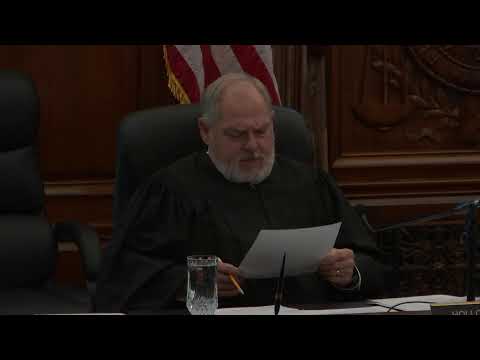
An appellate panel heard oral argument over whether a Fentress County defendant, identified in court only as Mr. Stevens, should be allowed to withdraw an open guilty plea he entered on the third day of a trial after defense counsel discovered previously unseen text messages.
An appellate panel heard oral argument over whether a Fentress County defendant, identified in court only as Mr. Stevens, should be allowed to withdraw an open guilty plea he entered on the third day of a trial after defense counsel discovered previously unseen text messages.
Appellate attorney Jessica Butler, representing Mr. Stevens, told the court she was asking judges to “reverse the trial court’s denial of Mr. Stevens’ pre‑sentencing motion to withdraw his guilty plea,” arguing the trial judge misapplied the fifth Phelps factor that assesses prejudice to the state. Butler said the first four factors the trial court analyzed were found in the defendant’s favor and were not contested on appeal.
Butler told the panel that trial counsel first learned of the new text messages roughly three days into the trial and, after a short recess, advised the client to enter an open guilty plea to two Class A felonies. Counsel then filed a motion to withdraw the plea within days; the trial court denied that motion and later imposed a maximum 50‑year sentence at sentencing on Dec. 18, according to the record cited at argument.
The state, represented by Lacey Wilbur, argued the trial court correctly weighed the fifth Phelps factor — potential prejudice to the prosecution — because the state had “shown its whole hand” by the third day of trial. Wilbur said the state had called about 15 witnesses and two medical experts from Knoxville, roughly 90 miles from the Fentress County courthouse, and that jury selection had required excusing about 20 jurors because of pretrial publicity. She told the panel those circumstances supported the trial court’s conclusion that the prejudice to the state outweighed the other factors and urged the court to affirm.
Butler acknowledged logistical burdens in returning witnesses but said the burden amounted to inconvenience rather than the kind of spoilage appellate precedent requires to find prejudice. She argued appellate cases treat the fifth factor as neutral unless the record shows the state cannot present essentially the same case at retrial. Butler also noted that trial counsel later withdrew and the public defender’s office now represents Mr. Stevens, which she said would provide a “clean slate” if the case were remanded.
During questioning, judges pressed both sides on the practical choices Mr. Stevens faced when counsel told him the defense could not proceed and sought time to reopen plea discussions. A judge asked whether the defendant could have sought new counsel or asserted on the record that his plea was involuntary; Butler said the defendant could have pursued those routes but instead filed a pro se motion about a week before counsel’s motion. Wilbur and a judge also explored whether ineffective assistance of counsel claims should be considered separately from the Phelps prejudice inquiry.
Both sides invoked State v. Phelps and related appellate precedent (including discussion of State v. Maxwell and State v. Brooks) about how courts apply the multi‑factor test for withdrawing pleas before sentencing. The parties asked the appellate panel for guidance on how heavily the fifth factor should weigh when a defendant seeks to withdraw a plea near the end of the prosecution’s case.
At argument the parties framed the core dispute narrowly: Butler argued the record shows only logistical difficulty in returning witnesses and therefore no prejudice sufficient to override the other factors; Wilbur countered that the trial had progressed to a point where the prosecution had effectively presented its case and withdrawal would unfairly prejudice the state. The panel did not announce a decision at the hearing.