Get Full Government Meeting Transcripts, Videos, & Alerts Forever!
Get email alerts on the Protection Orders Consolidation topic
No spam. Unsubscribe anytime.
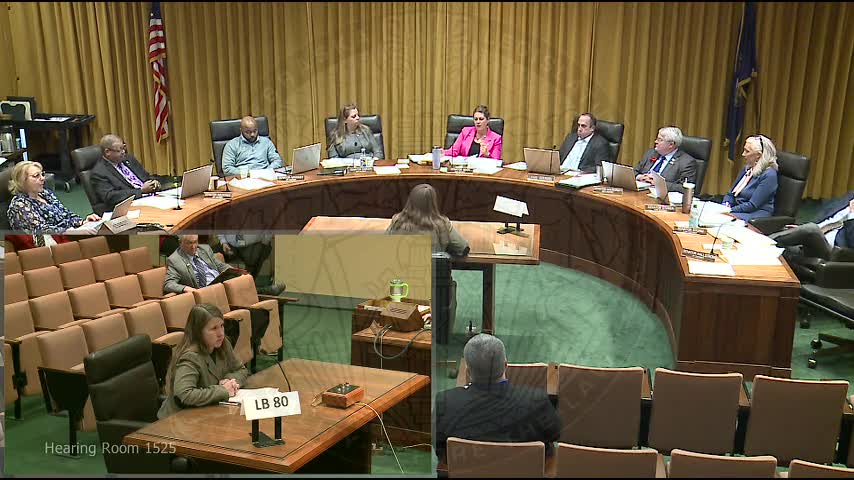
Committee hears move to consolidate protection-order laws and allow longer initial protections
Summary
Sen. Bob Holstrom introduced LB 80 to consolidate harassment, domestic abuse and sexual-assault protection orders into a single Protection Orders Act, permit initial protection orders of up to two years (judge’s discretion), and clarify renewals, clerk assistance with forms, and electronic service of certified orders.
Sen. Bob Holstrom told the Judiciary Committee LB 80 would consolidate Nebraska’s existing protection-order statutes (harassment, domestic abuse, and sexual-assault protection orders) into a single Protection Orders Act, standardize the relief courts may grant, and give judges discretion to issue initial orders for one to two years.
Holstrom said consolidation would simplify filing for survivors and reduce administrative friction. Melanie Kirk, legal director of the Nebraska Coalition (the state’s network of domestic- and sexual-violence programs), testified the change would let judges grant up to two years initially and ease the burden on survivors who otherwise must re-litigate or renew annually. She said 34 states already allow longer initial durations and that longer orders can reduce repeat abuse.
County attorneys and victim-advocacy groups testified in support of harmonizing the statutes and improving ex parte renewal clarity. Christopher Johnson (Nebraska County Attorneys Association) described the current practice of multiple forms and a judicially created flowchart that can confuse pro se petitioners; he said consolidation would reduce errors caused by misplaced filings. Several victim advocates and family-advocacy witnesses gave personal testimony underscoring safety needs.
Opposition focused narrowly on the bill’s provision allowing judges to make an initial order last up to two years. Spike Eicholdt, representing the Nebraska Criminal Defense Attorneys Association, said his group supported consolidation but opposed extending the default maximum without more guardrails, arguing that longer statutory durations can produce collateral consequences and unintended enforcement outcomes. The Bar Association asked for additional time to finalize a position and flagged ripple effects across family, juvenile, and criminal practice areas; its leadership planned a vote of its House of Delegates after the hearing.
Holstrom and proponents stressed the bill would not create new criminal penalties; it would make the civil protection-order framework clearer, preserve judicial discretion, and allow clerks to assist with procedural completeness (but not legal advice). The sponsor offered AM 33 to align relief language across the protection-order types. The committee did not record a vote and sponsors said they would continue discussions with defense counsel and the State Bar to refine the duration provision and other drafting details.