Get Full Government Meeting Transcripts, Videos, & Alerts Forever!
Get email alerts on the Recycling Funding And Grants topic
No spam. Unsubscribe anytime.
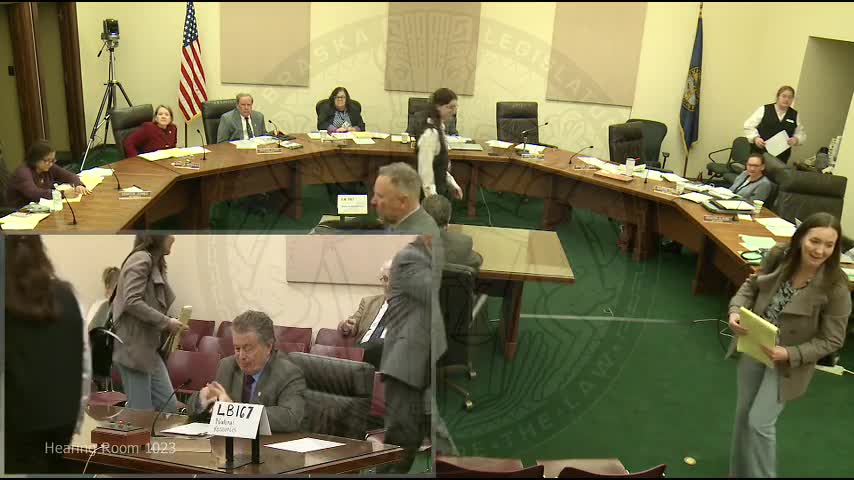
Committee hears support for extending Nebraska Litter Reduction and Recycling Act (LB167); proponents urge continued grant funding
Summary
Senator Stan Clouse asked the committee to extend the Nebraska Litter Reduction and Recycling Act by sponsoring LB167; proponents told the committee the fund supports local recycling equipment, education and cleanup grants across the state.
Senator Stan Clouse, representing District 37, introduced LB167 to extend the sunset date for the Nebraska Litter Reduction and Recycling Act, the statutory program that funds grants for litter reduction, recycling education and related projects through the Nebraska Department of Environment and Energy (NDEE).
Clouse said the statute creates a litter reduction and recycling cash fund that supports grants to schools, municipalities, nonprofit organizations and businesses, and that LB167 would extend the program’s sunset for an additional term and include an emergency clause to maintain continuity while the Legislature considers the extension.
Multiple proponents told the committee the fund has provided recurring grants across the state and supports hands‑on education and infrastructure for recycling. Kimberly Carroll Stewart, executive director of the Nebraska Recycling Council, said her organization’s analysis of 2020–2024 grant activity shows 338 grants statewide totaling $1,660,000 distributed across that four‑year period and that individual districts on the committee have received funding. Stewart said grants have funded equipment such as skid‑loader compost turners and community recycling projects and urged continued support for LB167.
Blair Macdonald of the Nebraska Beverage Association and Ansley Fellers of the Nebraska Grocery Industry Association and Nebraska Retail Federation also testified in support, describing the fund’s origins after a 1978 ballot initiative and noting the beverage and retail industries pay the litter fee. Macdonald told the committee that businesses paid $310,000 into the fund in 2023 (figure provided by testimony) and that grants are awarded for public education, cleanup, and recycling projects. Fellers and industry witnesses described the fund as a non‑tax fee assessed to wholesalers, manufacturers and retailers and asked the Legislature to ensure the funds are distributed for their intended purpose.
Keep Omaha Beautiful and other grantees described grant uses on the ground: school‑based curricula, teacher training, community outreach, public events and development of online tools to help residents find local recycling options. Witnesses also identified priority materials and emerging challenges, including electronics, textiles, wind turbine blades, solar panel end‑of‑life, and batteries.
League of Nebraska Municipalities staff testified neutral-to-supportive and said the change is narrow; the league reported being neutral after research and meetings with proponents. Several witnesses noted that past administrations had transferred money out of the fund and urged faster grant distribution and improved administrative processes to reduce the amount sitting in the fund and thereby limit transfers.
Committee members asked how communities learn about grants (answers: NDEE and recipient organizations), whether nonprofits can pass grants through (some programs allow pass‑through, others do not), and about logistics for recycling rural volumes of materials. Witnesses urged continued funding and improvements to grant administration. The hearing closed with proponents present and no opponents on record.
(Reported from the Natural Resources Committee public hearing; figures and program descriptions are taken from witness testimony in the committee record.)