Get Full Government Meeting Transcripts, Videos, & Alerts Forever!
Get email alerts on the Childcare topic
No spam. Unsubscribe anytime.
Proposal would shift Step Up to Quality subsidy increase to earlier level to boost provider uptake
Summary
LB 71 would accelerate a 5% childcare subsidy increase from Step 3 to Step 2 of Nebraska’s Step Up to Quality program. Sponsors and early-childhood groups said the change better targets early investments that help providers meet higher-quality standards and encourages more programs to accept subsidy-eligible families.
Senator Wendy DeBoer introduced LB 71 to change when Nebraska’s tiered childcare subsidy increase applies under the Step Up to Quality program. The bill would make the 5% subsidy increase available to providers when they reach Step 2 rather than waiting until Step 3.
Supporters—including child-care operators, hospital-based programs that run childcare centers, First 5 Nebraska and the Nebraska Early Childhood Collaborative—testified that many providers stall at Step 2 because the financial and coaching investments required to reach Step 3 exceed available resources. They said moving the subsidy bump earlier would help providers cover upfront costs, encourage acceptance of child-care subsidy, and expand options for working families.
Why it matters: Witnesses said Step Up to Quality drives the classroom practices that reduce school-readiness gaps. Participants described bottlenecks such as limited access to coaches (including Spanish-speaking coaches), one-time improvement costs, and staff shortages. Proponents said accelerating reimbursement would act as an incentive to accept subsidy and to continue improving quality.
Fiscal context and data: Testimony cited program enrollment growth—participation has more than doubled since 2020—and said the proportion of programs reaching Step 3 has not exceeded roughly 30%. Providers and hospital-based centers described operating shortfalls and the community benefit of running childcare programs in small towns or on hospital campuses. The bill carries a fiscal note; proponents urged creative budget solutions and noted long-term savings from improved child outcomes.
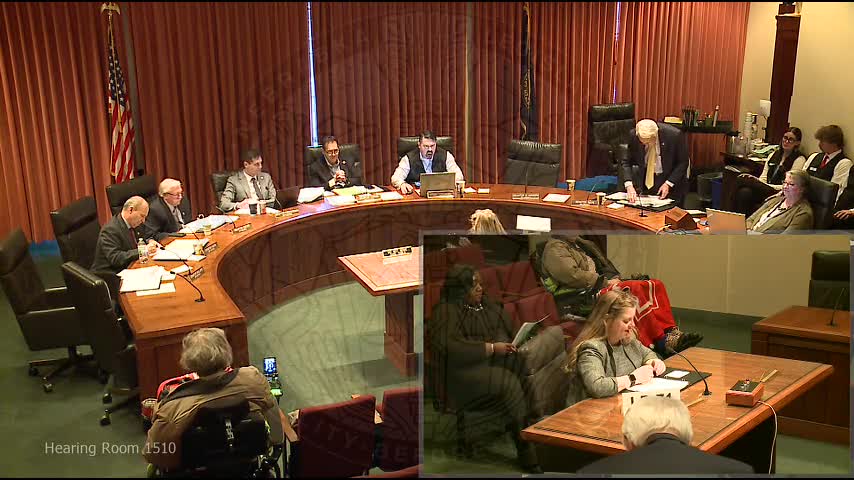
What didn’t change today: The committee took testimony but did not vote on LB 71 during the hearing.
Ending note: Sponsors and early-education advocates argued LB 71 is a relatively narrow adjustment with a multiplier effect: earlier subsidy support could increase provider participation in Step Up to Quality, expand subsidy access for working families and strengthen early-childhood outcomes over time.