Medicaid director briefs Oregon House committee on Oregon Health Plan, 1115 waiver and coverage changes
Loading...
Summary
Oregon Medicaid director Emma Sando gave a 45-minute orientation to Medicaid operations, financing and recent program changes including the 1115 waiver, OHP Bridge and continuous eligibility for young children.
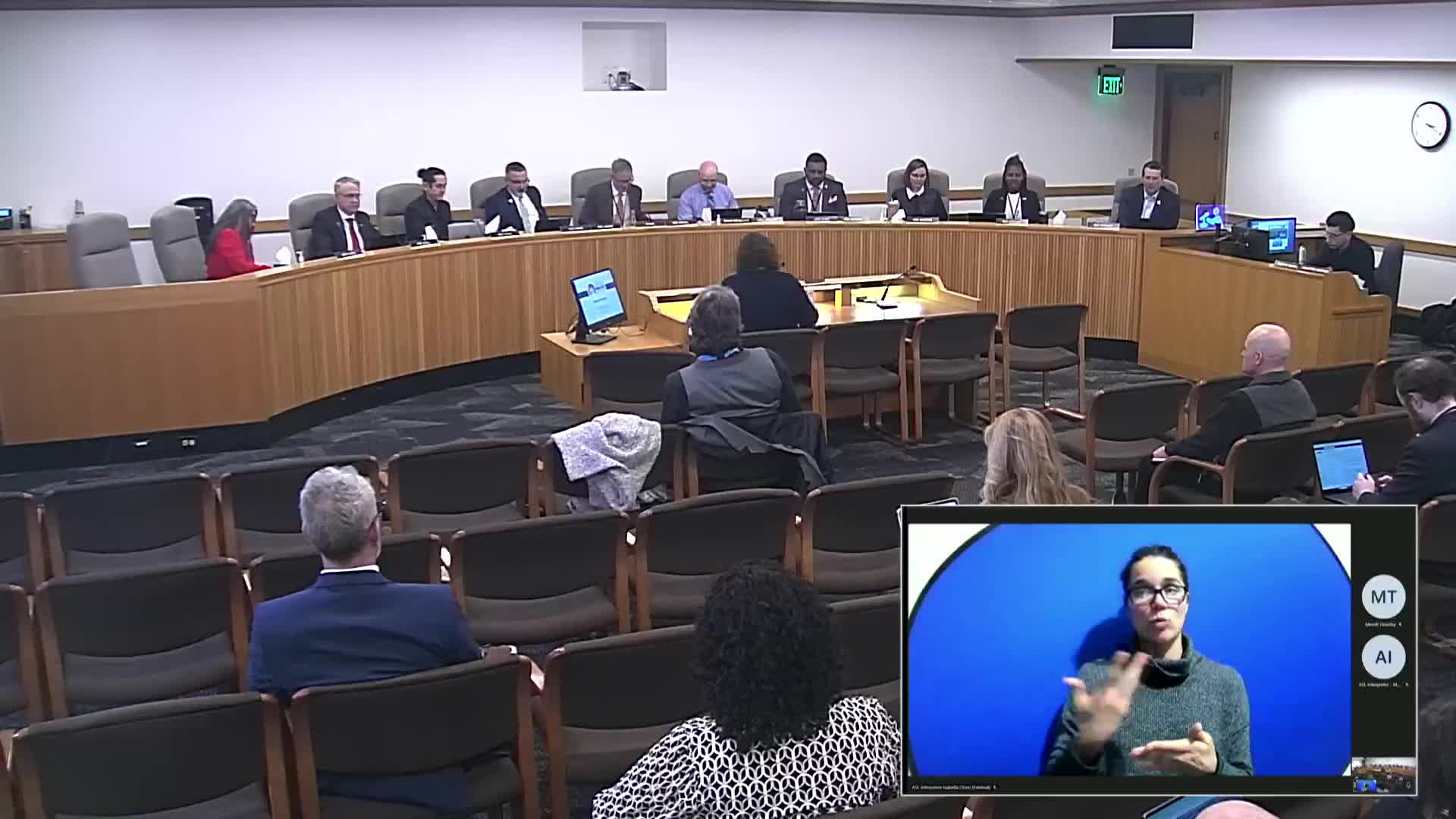
Emma Sando, Medicaid director at the Oregon Health Authority, told the House Committee on Behavioral Health and Health Care on Jan. 21 that Medicaid is both large and complex and that the Oregon Health Plan is a central delivery system for the state.
“Medicaid is one of the most complex programs in that that that exists,” Director Emma Sando said, explaining that Medicaid varies by state and by program. She told the committee that about one in three Oregonians receive health insurance through the Oregon Health Plan and that nearly half the state’s children are covered through Medicaid.
Sando reviewed how federal funding shares (the FMAP) differ by state, how states use a written Medicaid state plan and state plan amendments to change benefits and payment, and how Section 1115 waivers permit additional or tailored services. She described Oregon’s recent 1115 waiver changes, including continuous eligibility for children ages 0–6, expanded health-related social needs benefits (housing, nutrition) and the outreach and phased implementation steps for new services.
Sando also introduced the new OHP Bridge program, which covers people age 19–64 with incomes up to 200% of the federal poverty level who previously fell into an eligibility gap. “This allows for a really smooth smoothing out, ensuring that people have coverage through the traditional Medicaid program, OHP, into the Bridge program,” she said.
Committee members pressed for data on CCO savings versus fee-for-service costs, the effect of churn in coverage, and timelines and documentation for the waiver and prioritized‑list changes. Sando agreed to provide follow‑up data by writing, and said the Health Evidence Review Committee (HERC) process and public review would continue to guide coverage decisions.
Sando closed by noting Oregon’s recent insurance gains: state data shows roughly 97% insured as of 2023, a high-water mark that she said reflected expanded coverage and program changes.