Get Full Government Meeting Transcripts, Videos, & Alerts Forever!
Get email alerts on the Early Learning Agency topic
No spam. Unsubscribe anytime.
Oregon early-learning agency briefs House committee on licensing, program access and ERDC wait list
Summary
The Department of Early Learning and Care described its programs, licensing functions and system gaps to the House Committee on Early Childhood and Human Services, noting a growing ERDC voucher wait list and uneven infant/toddler access across counties.
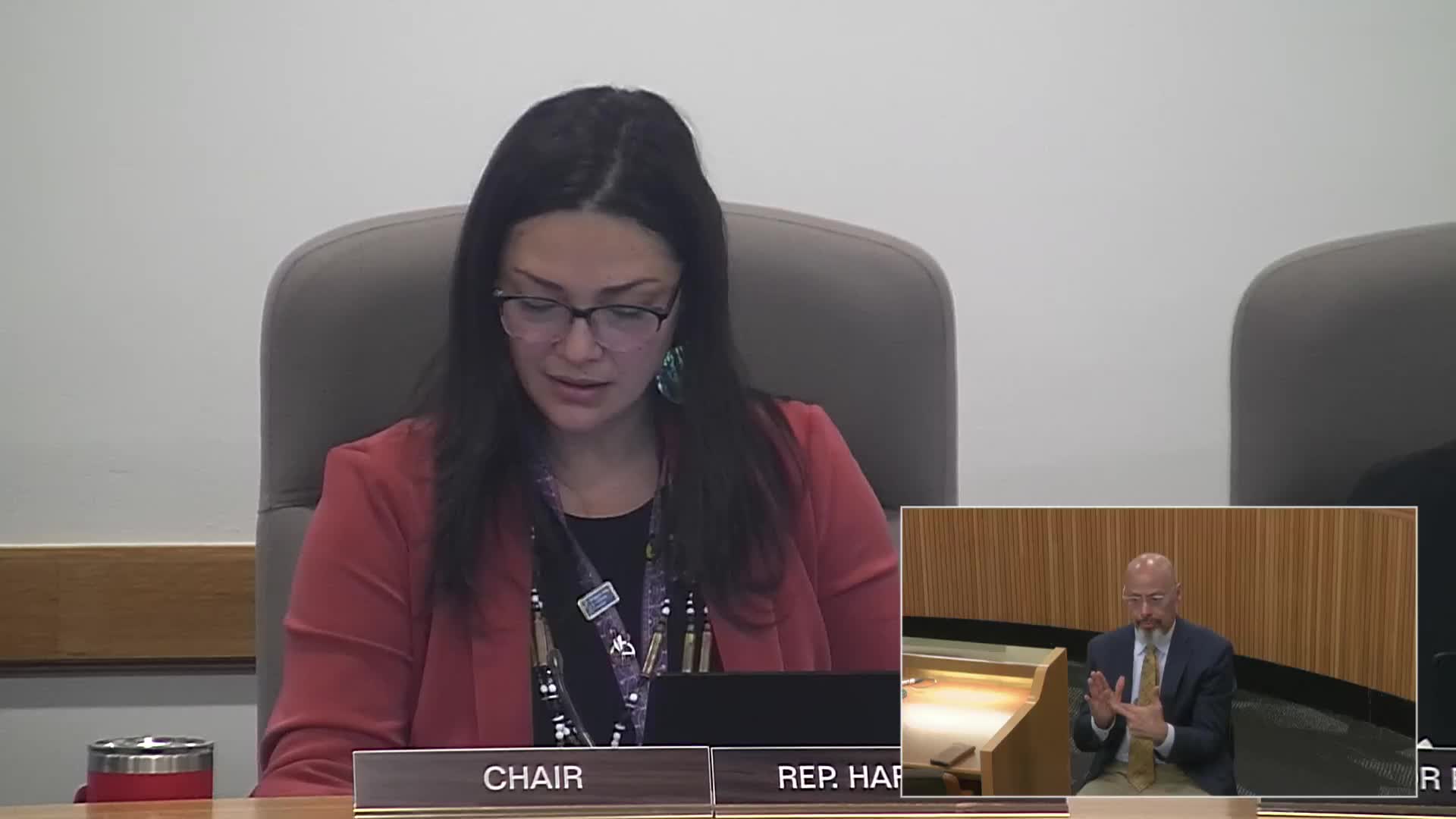
Chair Vanessa Hartman opened the informational session of the House Committee on Early Childhood and Human Services on Jan. 21 by inviting leaders from the newly formed Department of Early Learning and Care to brief the committee on agency programs, licensing and system challenges.
"House Bill 3073 passed in 2021, creating the Department of Early Learning and Care, and the agency launched officially on July 1, 2023," Alyssa Chatterjee, director of the Department of Early Learning and Care, told the committee as she outlined the agency's mission and program portfolio. The agency's work focuses primarily on prenatal to kindergarten supports and a mix of direct services and system infrastructure.
The briefing gave committee members an overview of childcare licensing, the range of DELC-administered programs, and key system metrics. Alicia Gardner, childcare licensing division director, emphasized the purpose of licensing: "child care licensing keeps kids safe," and described licensing activities that include inspections, provider technical assistance, comprehensive background checks and complaint investigations. Gardner said licensing staff work with other state agencies — including the Oregon Health Authority and building-code and fire-safety officials — and noted a recent major rule revision for licensed facility types.
DELC officials and committee members discussed program access and capacity. Dorothy Spence, interim director for Early Learning Programs, said the agency administers over 320 grants and serves more than 32,000 children and families annually and provided numbers for specific programs: "We currently serve over 16,000 families who are approved for ERDC," and the ERDC wait list has grown to close to 10,000 families since November 2023, Spence said. She cautioned the wait list is an expression of interest and not a pre‑screened list of eligible families.
Presenters and members highlighted geographic gaps for infants and toddlers. DELC staff said most Oregon counties have infant/toddler access rates below 20% (many under 10%), while preschool access has improved in some counties through expansions such as Preschool Promise and Oregon Prenatal‑to‑Kindergarten (OPK). DELC described mixed delivery of services — public schools, private centers and home-based providers — and noted the statewide workforce totals roughly 24,000 early‑care professionals serving about 212,000 children from birth through preschool; licensed capacity is about 112,000 slots.
Committee members pressed staff on provider finances, insurance costs and start‑up barriers. Gardner and Chatterjee said insurance premiums and rising operating costs strain small providers and that a state‑run insurance pool has been discussed but could raise rates in some circumstances. Staff said local planning, zoning and building retrofits frequently pose major barriers for new providers, and that Child Care Resource & Referral agencies help with business planning and startup navigation.
On enforcement, Gardner described a progressive approach: initial warnings and citations, intermediate sanctions such as civil penalties or conditions on a license, and emergency suspension where children are in imminent danger. She said licensing specialists focus on technical assistance and relationship building, while a separate investigations team handles complaints to preserve trust with providers.
DELC staff outlined several program highlights: Baby Promise (three regions serving seven counties, funded by CCDF), OPK (serving more than 8,700 children, and over 14,500 when combined with federal Head Start funding), Preschool Promise (about 230 providers), Healthy Families Oregon (home visiting), the Dolly Parton Imagination Library of Oregon (about 62,600 enrolled), Relief Nursery services (in 19 counties, serving about 2,200 children and families), and 16 regional Early Learning Hubs that coordinate local services and center family voice.
Committee members asked for follow‑up analysis on full funding scenarios for ERDC and on how eligibility, wait lists and program expansion interact. DELC staff said they can provide estimates but cautioned the estimates carry uncertainty because eligibility and demand are fluid.
Procedurally, the committee adopted its rules by roll call earlier in the meeting; Vice Chair Hwa Winn moved the motion and Chair Hartman called the adoption passed on the recorded roll. The committee scheduled a more detailed session with the Department of Human Services for Thursday.
DELC leaders asked the committee for ongoing engagement as the agency continues foundational rulemaking, data releases and implementation of new licensure types (including outdoor nature‑based programs required by 2023 legislation). The briefing ended with members expressing interest in returning for deeper dives on licensing, workforce, ERDC funding and the hub network.