Get Full Government Meeting Transcripts, Videos, & Alerts Forever!
Get email alerts on the Juvenile Justice topic
No spam. Unsubscribe anytime.
Oregon Youth Authority urges investment to address rising youth acuity, staffing and facility needs
Summary
Oregon Youth Authority leaders told the Senate Judiciary Committee that youth in custody are more numerous and higher‑need, that racial disparities persist, and that workforce stability and infrastructure remain pressing challenges tied to the agency’s legislative requests.
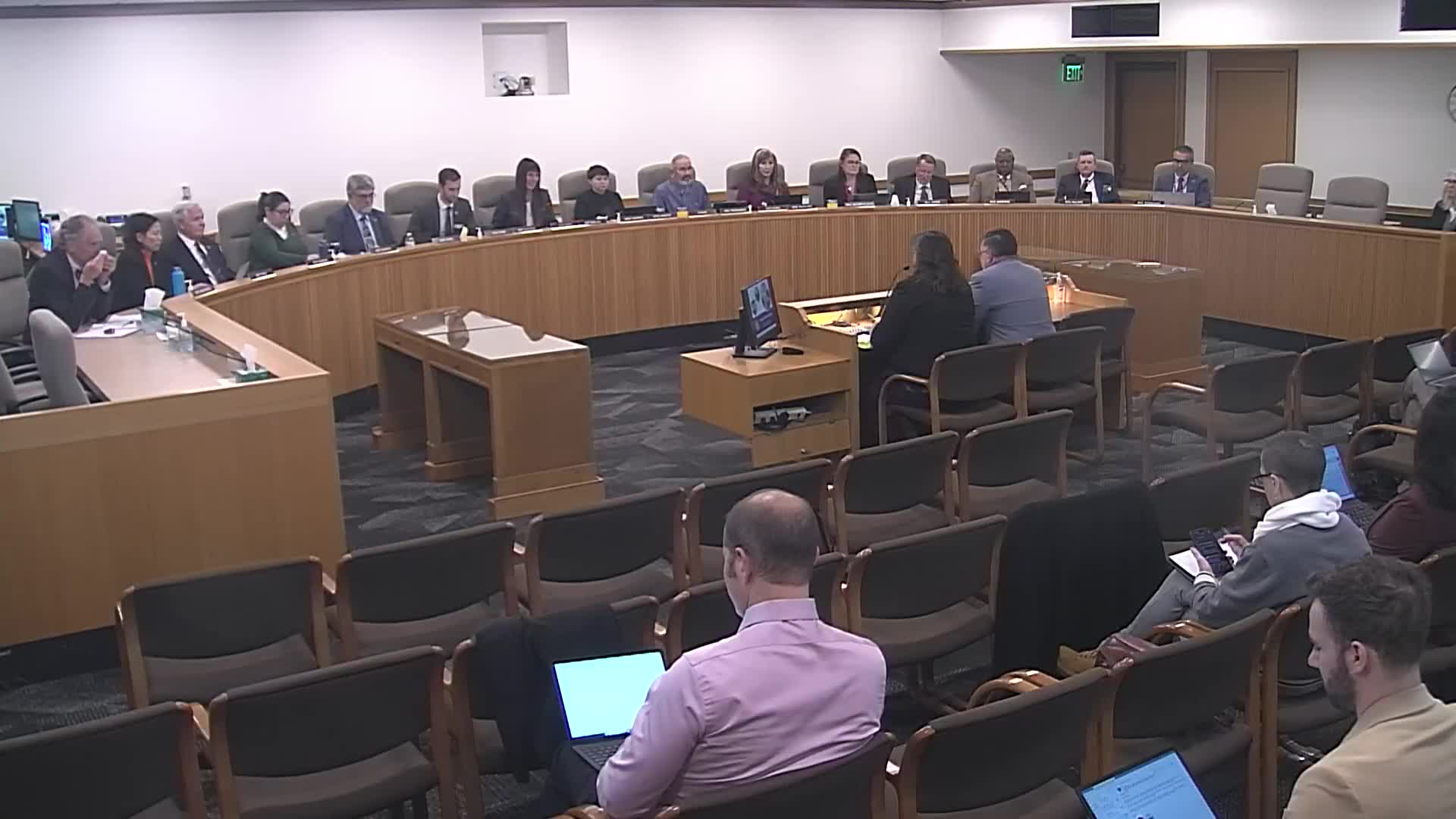
The director of the Oregon Youth Authority told the Senate Committee on Judiciary that the agency faces rising youth acuity, persistent racial disparities and workforce and infrastructure constraints that require continued legislative attention and funding.
"Our statutory mission is the same now as it was then. The three lines are accountability and reformation," Joe O’Leary, director of the Oregon Youth Authority, told the committee in an informational presentation. He and legislative coordinator Debbie Martin outlined the agency’s structure, population, and legislative priorities.
O’Leary said the agency operates five youth correctional facilities and four transitional camps and currently has about 375 young people in custody; 54 of them are young women. He reported roughly 899 employees work in the facilities and that the agency supervises about 500 youth on parole and probation in the community. The agency also contracts with about 30 residential community providers serving about 200 youth and operates its own foster program with about 29 certified homes caring for about 30 youth.
O’Leary described a demographic context that includes substantial racial disproportionality: he said 47 percent of commitments to OYA are youth of color, with Black and Native youth most overrepresented. He also said the threshold for state commitment in Oregon begins at age 12 for a Class A misdemeanor, a lower commitment threshold than many states, and that the agency is seeing a higher proportion of high‑needs youth with complex mental‑health and trauma needs than in previous years.
O’Leary framed the agency’s approach as "positive human development," informed by adolescent‑brain science and a shift from large living units toward smaller units and developmental programming. He noted past legislative investments under a 10‑year plan have reduced living‑unit sizes and improved physical environments but that more work remains to reach best practices.
On outcomes, O’Leary highlighted educational progress for youth in custody, noting three students earned postsecondary degrees in the past year (one associate, one bachelor’s and one master’s degree). He described workforce stability, increased acuity, infrastructure needs and litigation risk as key challenges and invited committee members to visit OYA facilities and regional programs.
The presentation was informational; no committee action occurred during the hearing.