Get Full Government Meeting Transcripts, Videos, & Alerts Forever!
Get email alerts on the Independent Colleges topic
No spam. Unsubscribe anytime.
Independent nonprofit colleges describe economic contribution, student financial aid and reliance on state opportunity grants
Summary
The Oregon Alliance of Independent Colleges and Universities told the House committee that 11 independent nonprofit institutions serve about 23,000 students, provide substantial institutional grant aid and contribute billions annually to Oregon’s economy; the alliance thanked the legislature for a 2023 increase in the Oregon Opportunity Grant.
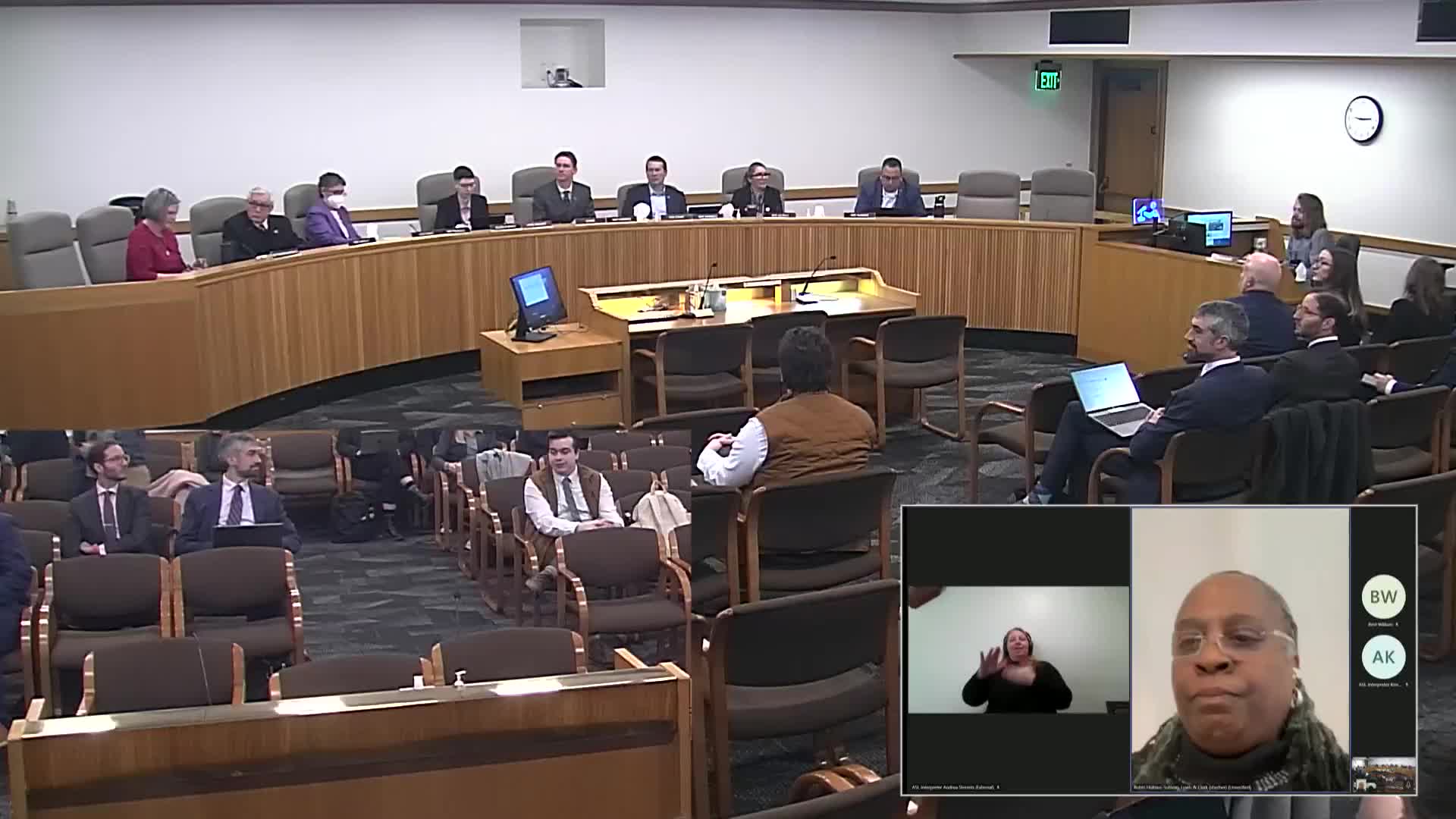
Robin Holmes Sullivan, president of Lewis & Clark College and a representative of the Oregon Alliance of Independent Colleges and Universities, told the House Committee on Higher Education and Workforce Development that the state’s independent nonprofit institutions enroll about 23,000 students and provide substantial institutional grant aid.
“We are honored to speak with you today on behalf of Oregon's independent nonprofit higher education institutions,” Holmes Sullivan said, and she thanked the legislature for a $100,000,000 increase to the Oregon Opportunity Grant in 2023, which she said directly benefits students who attend alliance member colleges.
Holmes Sullivan said the alliance’s 11 member institutions include liberal arts colleges, faith‑based universities and professional schools, and that those institutions collectively confer many high‑demand degrees in fields such as health care, education, engineering and technology. She said the sector contributes to Oregon’s economy through jobs, research partnerships and alumni earnings.
Holmes Sullivan described institutional financial aid as a major driver of affordability at independent colleges: alliance institutions provide significant grant aid on average and many students receive a combination of institutional and public financial aid that reduces out‑of‑pocket costs. She said roughly 47% of enrolled students at alliance institutions are Oregon residents, more than 40% identify as students of color and a substantial share are first‑generation college students.
Ending: The alliance representative asked the committee to consider independent colleges as partners in workforce development and student access and encouraged continued support for state grant programs that supplement institutional aid.