Get Full Government Meeting Transcripts, Videos, & Alerts Forever!
Get email alerts on the School Budget topic
No spam. Unsubscribe anytime.
Bridgewater‑Raynham superintendent frames FY26 budget, warns staffing shortfalls and high class sizes
Summary
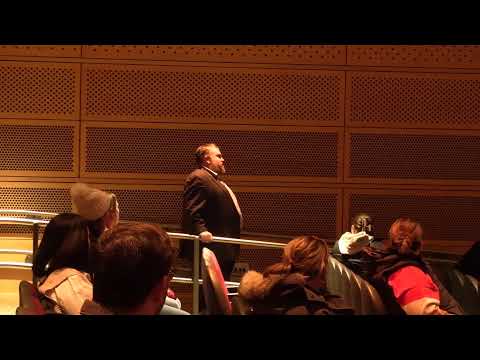
The superintendent of the Bridgewater‑Raynham Regional School District (name not specified) gave a public presentation on the district budget process and the likely FY26 request, saying the district will present detailed numbers next week and that final funding will depend on state and town appropriations.
The superintendent of the Bridgewater‑Raynham Regional School District (name not specified) gave a public presentation on the district budget process and the likely FY26 request, saying the district will present detailed numbers next week and that final funding will depend on state and town appropriations. "The purpose of tonight is really to set the context for next week when I do deliver my delivered budget to the school committee to the community," he said.
The superintendent told attendees the district relies primarily on state aid (Chapter 70), regional transportation reimbursement (Chapter 71), the two member towns (Bridgewater and Raynham), and district contributions. He said enrollment and the student profile drive the state "foundation budget" and net school spending. He gave these fiscal figures for recent years as context: FY24 operating approximately $88,000,000; an initial FY25 proposal of about $103,000,000; and an FY25 approved operating budget of roughly $90,000,000. He described the district's FY25 total (operating plus capital/debt) as about $96,000,000.
The superintendent said the district had to issue 11 nonrenewal notices during last year's budget process; seven of those positions were later restored because of retirements or other openings, leaving four positions unfilled. "We had to issue 11 nonrenewals," he said, describing the effect on classroom staffing. He said class sizes have grown and gave an example: "class size in Bridgewater averages 28," while citing lower averages in Raynham. He said the district is asking in FY26 to restore the roughly 24 positions eliminated across the cycle and estimated that would cost "$4,000,000 plus" to bring staffing back toward prior levels.
On transportation reimbursement, the superintendent described preliminary signals from the governor's budget but emphasized uncertainty. He said the administration had been told to plan for a roughly 95% reimbursement rate for FY26 but later also noted draft indications of about 85% in other briefings; in both cases he cautioned that precise dollar impacts depend on what transportation costs the state deems eligible.
He described the district's other revenue sources such as Medicaid reimbursements, activity fees, rental fees and excess and deficiency (E&D) balances, and said towns finally decide appropriations: Bridgewater's council appropriates funds and Raynham's appropriation is subject to a spring town vote. The superintendent urged public advocacy to state and local officials, saying parents and residents contacting legislators and town leaders can affect outcomes. An audience speaker who had attended a separate legislative meeting echoed that point and urged constituents to contact lawmakers. "It takes 5 minutes to send an email to those elected officials," the commenter said.
The presentation included line‑item categories the superintendent uses to build the budget (administration, instruction, student services, operations, capital, debt/retirement and special programs) and examples of specific pressures: rising health insurance and utility costs, growing numbers of students needing special education or English‑learner services, and high enrollment in some grades that keeps class sizes elevated even when positions are added in other areas.
No formal votes or committee decisions were recorded during the presentation; the superintendent described the forthcoming procedural steps: his FY26 recommended budget will be presented to the school committee next week, the committee will hold a public hearing and adopt a final budget in March, and towns will appropriate funds through their municipal processes in the spring. He said the district will publish the full budget figures and slides for public review before town appropriations are finalized.
Background and context: the superintendent said regional districts once expected higher transportation reimbursement rates when regionalization was encouraged, but reimbursements have varied (he cited ranges below 100% historically). He emphasized that while small reductions and operational savings can help, reversing large class‑size pressures requires substantial new staffing and thus new funding from the state or the towns.
No formal actions were taken at the meeting; the presentation served to inform the public and to solicit feedback prior to the superintendent's recommended FY26 budget delivery.