Get Full Government Meeting Transcripts, Videos, & Alerts Forever!
Get email alerts on the Total Loss Salvage topic
No spam. Unsubscribe anytime.
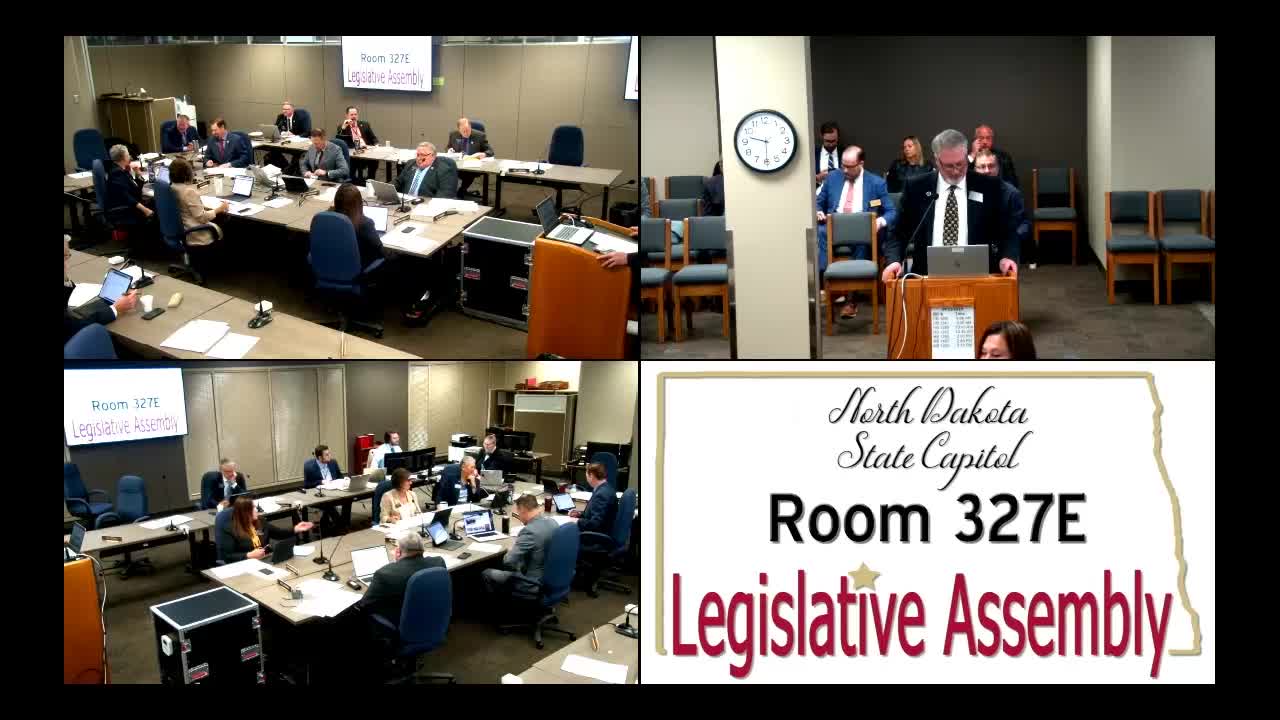
Committee weighs bill to let owners keep 'totaled' vehicles without buying them back
Summary
Representative Ruby explained House Bill 1243 would require insurers to allow vehicle owners to retain ownership of vehicles declared a total loss without the insurer withholding or requiring a separate buy‑back payment; insurers warned the change would raise premiums and create logistical and environmental risks.
Chairman Ruby (Representative Ruby), sponsor of House Bill 1243, told the committee he brought the measure after a constituent question: when an insurer declares a vehicle a total loss and pays the insured, why must the owner still buy the vehicle back if they want to retain it?
"If they gave you that 50,000 and then you fixed it, brought it up to whole now, well, then you should be able to keep the car," Chairman Ruby said, describing the idea behind the bill. He said sometimes owners want to keep components (engines, axles or boxes on farm trucks) and should not have to repurchase a vehicle they already owned prior to the total‑loss payment.
Insurance industry witnesses strongly opposed the bill. Chris Owen, vice president of claims at NODAC Insurance Company, asked the committee for a "do not pass" recommendation and described how the total‑loss process currently works: an insurer pays the actual cash value, takes ownership of the wrecked vehicle, then recoups part of the loss by selling salvage to parts buyers. He told members that salvage sales offset losses and are factored into premiums.
"By not allowing the sale of salvage and credit to the insurance company, this is going to drive rates for collision and comprehensive coverages dramatically," Owen said. He explained with a numerical example that if a company pays $10,000 for a total loss and later sells salvage for $2,000, the net cost is $8,000 — a number used in rate setting.
Towing representatives raised practical concerns about storage and public safety. Brian Barrett of the North Dakota Towing Association told the committee that storage fees accrue daily at tow yards and that owners who opt to keep salvage after an insurer ceases payment can face mounting storage charges — he cited typical tow‑yard storage fees of roughly $50 per day. Barrett also emphasized hazardous materials and battery disposal issues for damaged electric vehicles.
Rob Hovland of Center Mutual Insurance said the bill would especially affect newer vehicle markets and could raise premiums. "If you get a new vehicle, sometimes there aren't parts available. So... the easy solution is to buy the vehicle, make the policyholder whole, and then you sell that vehicle as salvage," he said, adding that previous legislative efforts on similar ideas had stalled because of premium impacts.
Several committee members pressed the sponsor and insurers about options already available today. Insurers and industry witnesses described existing practices in which insureds can retain salvage but an agreed salvage deduction is taken from the settlement amount (a common approach that reduces the insurer's net loss). Witnesses warned the bill as written could create conflicts over who would pay additional towing or storage and could increase costs for all policyholders.
The committee closed the hearing without a vote. Members said they wanted more information about premium impacts, lienholder handling when vehicles are financed, and public‑safety/disposal logistics before advancing the bill.