Get Full Government Meeting Transcripts, Videos, & Alerts Forever!
Get email alerts on the Campaign Finance topic
No spam. Unsubscribe anytime.
Committee considers "dark money" disclosure bill; Secretary of State and nonprofit groups warn of constitutional, practical problems
Summary
Representative Mike Schatz sponsored House Bill 1286 to require disclosure of contributors to groups spending more than $200 on election influence. The secretary of state's office and 501(c)(4) representatives said the bill raises enforceability and First Amendment issues and could be nearly impossible to administer as written.
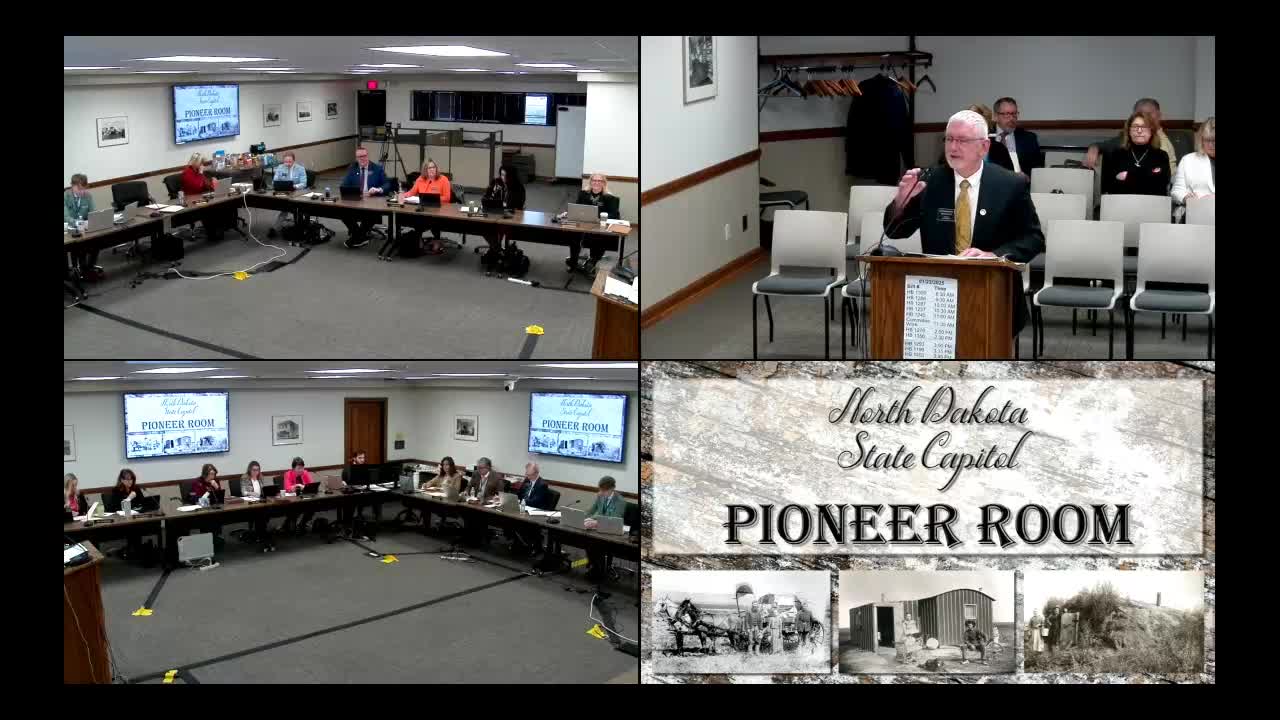
Representative Mike Schatz, sponsor of House Bill 1286, told the Government and Veterans Affairs Committee the bill would require ‘‘covered persons’’ who spend more than $200 per election cycle to disclose donors, and would direct those records to the secretary of state's website. “Who’s trying to influence my vote? Why are they trying to influence my vote? Why are they so secretive about it?” Schatz said, calling the proposal a way to bring ‘‘dark money’’ into the light.
The bill defines covered persons broadly, including certain committees and PACs, and would give the secretary of state responsibility for investigations and recordkeeping; the sponsor said violators could face a class A misdemeanor. Schatz cited Montana’s 2019 law as a model and argued disclosure is needed to give voters information about who is funding election influence.
Sandy McMurdie, deputy secretary of state, testified in opposition. McMurdie said the office does not dispute concerns about dark money but believes HB1286 is unconstitutional and unenforceable in its current form, particularly because of U.S. Supreme Court precedent protecting certain nonprofit political spending and because the bill’s tracing and reporting requirements would be difficult to implement. ‘‘This legislation is simply not enforceable, no matter its intent,’’ McMurdie said.
Shane Gettle, testifying for a 501(c)(4)-aligned group, and Shane Gettle and David testimony later elaborated that federal case law and associational-privacy precedents (including NAACP v. Alabama, McIntyre and Citizens United, all cited by witnesses) expose the bill to strict constitutional scrutiny; Gettle argued the bill would chill association and lawful issue advocacy, would be administratively burdensome and could prompt immediate litigation.
Opponents also argued the bill’s requirement to trace funds through intermediaries and to list top donors on short-form advertisements would be impractical or unconstitutional in many cases. Committee members asked whether Montana’s approach could be adapted; both the secretary of state’s office and witnesses recommended careful reworking if the committee wants to pursue disclosure reforms, and warned the bill as written would invite lawsuits and substantial enforcement challenges.
The hearing record includes questions from committee members about whether inadvertent errors in disclaimers would be criminalized and repeated requests that the sponsor provide written testimony and examples; the committee took no final vote during the hearing.