Get Full Government Meeting Transcripts, Videos, & Alerts Forever!
Get email alerts on the Staffing Compensation topic
No spam. Unsubscribe anytime.
Classified staff and unions press board on pay, paraeducator retention and service priorities
Summary
Classified employees, union leaders and public commenters urged the Washington Unified board to address paraeducator pay, high turnover and how district funding is spent on community positions, citing wages near $18/hour and strained household budgets.
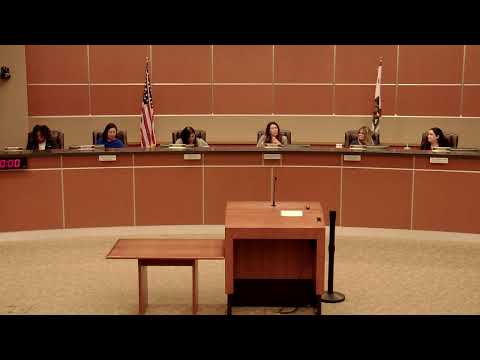
Classified staff, union representatives and public commenters raised repeated concerns about paraeducator pay, retention and how district funds are being allocated during the Jan. 23 Washington Unified School District board meeting.
CSEA representatives and public speakers described steady turnover among paraeducators and described wages that union speakers said average about $18 per hour. The CSEA representative noted that many paraeducators work in demanding settings that include students with high needs and that staff sometimes take multiple jobs to make ends meet.
Public commenters gave first-person accounts of the financial strain. A statement read on behalf of a 23-year district employee, who identified herself as Melissa Craig, described family budgets that have tightened and said longtime classified staff now sometimes rely on food banks and take multiple jobs to cover rent and basic needs. Another speaker, Karina Lopez, said she lives on a two-person household income in a small rental and described using credit cards to cover rent and groceries after a household job loss.
CSEA also urged that bargaining representatives be kept central to discussions that could affect classified job duties or compensation; the presenter emphasized that requests affecting classified impacts and effects should come through the CSEA negotiating team.
The Washington Teachers Association (union) speaker highlighted the critical role paraeducators in special education and said the district's paraeducators were paid an average of about $18/hour. That speaker urged the board to prioritize special education staffing and to consider pay comparisons with neighboring districts across the river (Sacramento-area districts) rather than only rural Yolo County comparisons.
Board members acknowledged the concerns, asked for follow-up data and encouraged meetings with negotiators and HR. Trustees and staff indicated the district is aware of turnover and is discussing compensation and retirement-incentive options but said some measures, like a retirement incentive, are not currently viable.
Why it matters: Paraeducators provide direct instructional and behavioral supports for students with disabilities and other high-need students. Ongoing turnover and wages that commenters called insufficient can directly affect classroom stability and special education delivery.