Get Full Government Meeting Transcripts, Videos, & Alerts Forever!
Get email alerts on the Multilingual Education topic
No spam. Unsubscribe anytime.
Alpine School District reports 76% WIDA progress among multilingual learners, cites districtwide supports
Summary
Dr. Analise Ruiz, Alpine School District’s executive director of educational opportunity and student support, described district programs—including a perception survey, family engagement work and a multilingual learner task force—saying 76% of multilingual students showed progress on the WIDA ACCESS assessment.
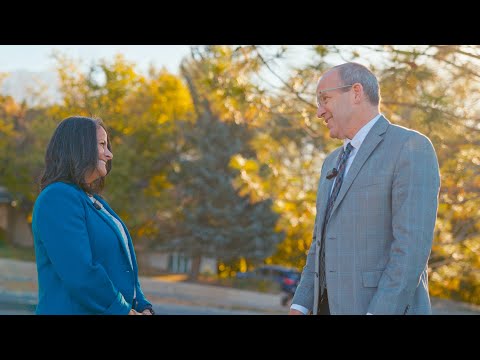
Dr. Analise Ruiz, executive director of educational opportunity and student support for Alpine School District, told district leaders the district has seen measurable gains among multilingual learners and is using districtwide surveys and cross-department partnerships to support students.
"We have seen 76% of our students making progress on the WIDA access," Ruiz said, describing work led by a multilingual learner task force that involved about a dozen schools last year.
The district uses a culture, climate and connection perception survey administered across schools to track students' social, emotional and academic conditions, Ruiz said. "One of their greatest accomplishments is our culture, climate, and connection, and that is a perception survey, to understand the perspective of students and how we are creating conditions for them to be able to thrive," she said. Ruiz added that the survey data are used so "schools can learn from one another" about conditions that help students succeed.
Ruiz said she oversees three departments: student support services, federal and state programs, and the office of equal opportunity. She described growing family engagement and cross-department collaboration to link families and students to resources. "Every department works collaborative to make sure that we are sharing the resources, maximizing those resources, and more importantly, linking students and families to those resources so they are ready to learn," she said. Ruiz also noted that the Utah State Board of Education recognized the district’s partnerships as a model for the state.
On multilingual learners, Ruiz credited the district's task force and community partners with progress for newcomer and refugee students. She said the task force expanded last year from about a dozen participating schools and that district staff work with partners to ensure those students "have their resources that they need to achieve and connect with our schools." The transcript did not specify the total number of multilingual learners the 76% figure represents, nor did it provide a breakdown by school or grade.
Discussion in the meeting was descriptive and informational; no motions or formal board actions were recorded on this topic. Officials described ongoing programs and data use rather than adopting new policy or funding in the recorded transcript.
Looking ahead, district leaders said they will continue using survey data and the multilingual learner task force to guide practice and resource allocation, while maintaining partnerships with businesses and nonprofit organizations to expand supports for students and families.