Get Full Government Meeting Transcripts, Videos, & Alerts Forever!
Get email alerts on the Land Use Remediation topic
No spam. Unsubscribe anytime.
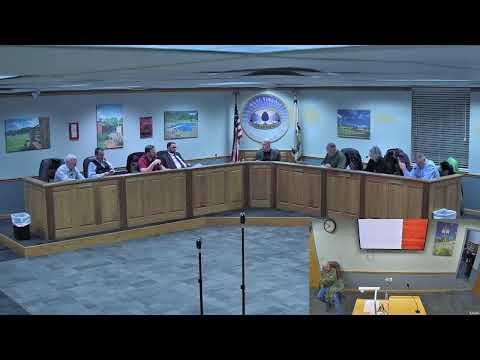
Vienna council debates removing deed restrictions on former Manville site, weighs indemnity vs. court petition
Summary
Council members and the city attorney discussed options to lift three restrictive covenants on the former John Manville property—either by asking the deed-holder to accept indemnity language or by petitioning a court—while examining remediation work, regulatory limits and potential future liability.
Vienna city attorneys and council members spent more than an hour discussing whether to remove three deed-based restrictive covenants that limit uses of the former John Manville property and to what extent the city should accept liability in exchange for lifting those restrictions.
The discussion centered on two options: persuade the current deed-holder to have its attorney recommend removing the covenants if the city will indemnify that party for future litigation costs, or petition the appropriate court to order the covenants removed after the city presents evidence that remediation is complete.
City Attorney Russ summarized the choices for council and said the deed restrictions “run with the land” and that Manville’s attorney indicated he would recommend removal if the city agreed to assume potential future damages and litigation costs. “If the city would essentially indemnify John Manville for many damages for any future litigation, including paying costs, they would recommend that to their client,” Russ said. He also outlined the alternative: a court petition that would name Manville as a party and ask a judge to remove the restrictive covenants after evidentiary presentation.
Councilman Leach and other members questioned whether the city has completed sufficient due diligence on remediation to assume that risk. Leach noted deed language that, in his reading, already assigned environmental liabilities to successors in interest and suggested that the deed’s conveyance language might already limit Manville’s exposure. “This deed certainly has language in it that would seem to indicate that this has already been conveyed, which is the liability for the property,” Leach said.
Multiple speakers, including the city attorney, said the site had participated in a voluntary remediation program and that remediation work and monitoring for portions of the parcel had been completed and approved, but that the final report was still awaiting modification of the land-use covenants. The city attorney and other council members repeatedly cautioned that federal statutes such as CERCLA (the Comprehensive Environmental Response, Compensation, and Liability Act) could lead plaintiff lawyers to name multiple parties and seek recovery from all potentially responsible parties if future claims arose.
City staff and the attorney told council the deed contains at least three key restrictions: a prohibition on disturbing subsurface groundwater except for sampling or remediation-related wells; a ban on residential-type uses (including dormitories, apartments, assisted-living and similar uses); and a restriction designed to prevent uses that expose people to the property for more than short periods (language aimed at preventing overnight stays or long-term residences). Those deed restrictions are stricter, the attorney said, than the site controls the West Virginia Department of Environmental Protection (DEP) currently requires for the remediated portions of the property.
Supporters of removing the deed restrictions argued that doing so would align the deed with the DEP’s site controls and make the property more flexible and marketable for future city or private uses while still preserving the DEP’s remaining controls and monitoring requirements. Opponents and cautious council members said they wanted more assurance from environmental consultants and possibly an environmental lawyer that the remediation and monitoring work is sufficient before the city agrees to any indemnity language.
No formal action was taken. The attorney said he will gather additional detail about remediation and legal exposure and will consult further with staff and outside counsel before bringing a recommendation back to the council.
The council’s discussion made clear two things: (1) the city believes remediated portions of the site are in compliance with DEP requirements, but (2) removing deed-based covenants—especially by accepting indemnity—would expose the municipal government to litigation risk that some members want quantified before final approval.
Councilmembers said they will expect additional legal and environmental analysis before deciding whether to accept indemnity language or pursue a court petition to remove the deed covenants.