Get Full Government Meeting Transcripts, Videos, & Alerts Forever!
Capital Budget committee hears Commerce, Housing Finance Commission on shortfall and pipeline fixes for affordable housing
Summary
Department of Commerce and the Washington State Housing Finance Commission told the Capital Budget Committee on Jan. 23 that state housing programs rely on private leverage, face higher per‑unit costs, and need pipeline management, land acquisition funding and an updated AMI methodology to deliver more deeply affordable units.
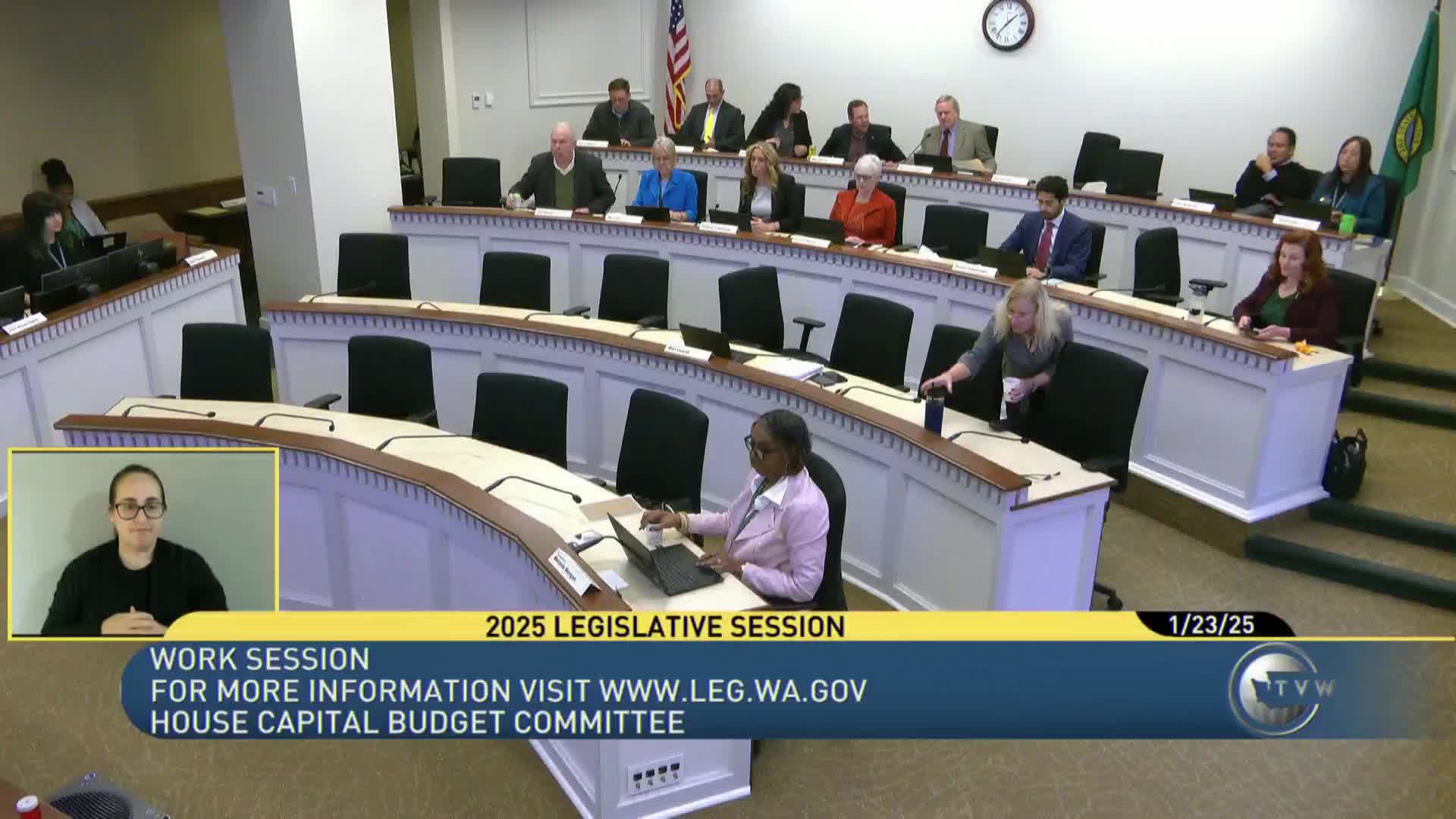
The Capital Budget Committee met Jan. 23 for a work session on affordable housing financing, hearing presentations from Joe Wynne, director of the Washington State Department of Commerce; Ted Kelleher, acting assistant director of the Housing Division at Commerce; and Lisa Vetsa of the Washington State Housing Finance Commission.
Wynne told the committee the state Housing Trust Fund has awarded more than $2 billion in capital since 1986 toward roughly 58,000 housing units, and that 90% of that funding was awarded in the last 10 years. He said the 2024 Housing Trust Fund appropriation—about $84–85 million—funded 22 developers and roughly 873 units, representing “only 4%” of the total cost of those projects and about 2% of the annual production needed to meet the state’s goal. Wynne cited HB 1220’s finding that Washington needs about 1.1 million housing units over the next 20 years and stressed the state cannot meet that goal without private‑market production and stronger pipeline management.
Why it matters: Committee members pressed Commerce and the Housing Finance Commission on how to stretch limited public dollars, speed shovel‑ready projects, and change program rules so state funds better leverage private investment. Committee members expressed particular interest in land acquisition programs, changes to scoring and caps that affect project readiness, alternatives to HUD’s area median income (AMI) definitions for rural areas, and protecting existing subsidized housing through preservation financing.
Key points from Commerce - Scale and leverage: Wynne said the Housing Trust Fund has been heavily funded in recent legislative cycles…
Already have an account? Log in
Subscribe to keep reading
Unlock the rest of this article — and every article on Citizen Portal.
- Unlimited articles
- AI-powered breakdowns of topics, speakers, decisions, and budgets
- Instant alerts when your location has a new meeting
- Follow topics and more locations
- 1,000 AI Insights / month, plus AI Chat