Get Full Government Meeting Transcripts, Videos, & Alerts Forever!
Get email alerts on the State Budget topic
No spam. Unsubscribe anytime.
Governor’s FY2026 plan narrows shortfall but depends on tax changes, fund transfers and program cuts, fiscal briefing says
Summary
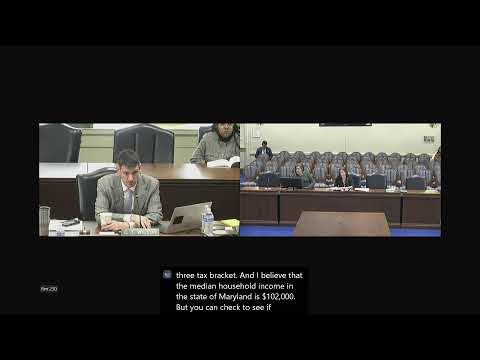
Tanya Zimmerman, presenting a fiscal briefing to the House Economic Matters Committee on Thursday, Jan. 23, said the governor’s proposed fiscal 2026 budget narrows December’s projected shortfall but relies heavily on tax-law changes, transfers and one-time shifts to balance the year.
Tanya Zimmerman, presenting a fiscal briefing to the House Economic Matters Committee on Thursday, Jan. 23, said the governor’s proposed fiscal 2026 budget narrows December’s projected shortfall but relies heavily on tax-law changes, transfers and one-time shifts to balance the year.
“The package of personal income tax modifications would generate about $820,000,000 of revenue in fiscal 2026,” Zimmerman said, summarizing the largest single revenue element in the plan.
Zimmerman told committee members the governor’s spending plan increases total funding by about $791 million, or 1.2 percent, from fiscal 2025 to fiscal 2026 but reduces general fund spending by roughly $274 million. The proposal would leave a general fund closing balance of about $106 million and a rainy day fund balance of about $2.1 billion, roughly 8 percent of general fund revenue, she said.
Nut graf: The budget reduces an expected fiscal 2026 structural shortfall from a December Department of Legislative Services forecast of roughly $2.47 billion to about $186 million for fiscal 2026, Zimmerman said, but longer-term pressures—particularly costs connected to the Blueprint for Maryland’s Future education funding—drive the structural gap higher by 2030.
Most of the fiscal 2026 gap-closing measures are included in the Budget Reconciliation and Financing Act (BRFAA), Zimmerman said. The BRFAA proposal contains a package of personal income tax changes (including standard deduction increases, the elimination of state-level itemized deductions and a new capital gains surcharge), higher taxes on sports wagering and table games in the first two years, and later transfers of some gaming revenue to the Blueprint Fund. The package also would change aspects of corporate income tax beginning in fiscal 2028, including combined reporting and a phased rate reduction to 7.99 percent.
Zimmerman outlined other key elements: transfers into the general fund totaling about $634 million; spending reductions and fund swaps that together account for roughly $1 billion in savings across fiscal 2025 and 2026 (about $419.5 million of which is tied to relieving a statutory requirement to appropriate funds to the rainy day fund); and roughly $187 million in new spending initiatives not foreseen in the December forecast, two-thirds of which she said were related to economic growth and about $55 million for capital projects.
Education and long-term outlook: K–12 education funding would rise by about $551 million, Zimmerman said, but actions that reduce or delay requirements for the Blueprint Fund—such as lowering a consortium mandate and delaying a phase‑in of teacher collaborative time—are used to improve the fund’s near‑term balance. Those changes delay the need for additional general fund support until fiscal 2028, she said, but beginning in 2028 the budget would require growing general fund contributions (about $1.1 billion in 2028 rising to approximately $2.6 billion by 2030) unless revenues or policies change.
Programs and cost shifts: Zimmerman described several program-level changes. A proposed enrollment cap for childcare subsidies produces a one-time FY2025 appropriation issue (a deficiency of about $117 million tied to prior-year claims) and would reduce childcare spending in FY2026 by roughly $30 million while supporting an estimated 42,000 children. The budget includes a 1 percent provider rate increase for most health care providers and shifts about $144 million in costs to local governments, including increased local shares for property valuations and teacher retirement costs, she said. Cost-containment measures for the Developmental Disabilities Administration total roughly $97 million in FY2025 and $235 million in FY2026 (general funds).
Other fiscal items and risks: The proposal would create a 0.15 percentage point unemployment insurance administrative fee offset by a reduction in other unemployment insurance tax rates, producing no net employer tax change in the administration’s estimate, Zimmerman said. The plan would also eliminate the inheritance tax while lowering the estate tax exemption and make other technical changes to state fees and revenues.
Zimmerman warned about contingent liabilities and uncertainties. The Child Victims Act of 2023 allows some survivors to sue the State without a statute-of-limitations bar; Zimmerman said the State’s potential liability is difficult to value at this early stage, that approximately 35–100 claims have been identified, that the State’s statutory liability is capped in the briefing at about $890,000 (as presented), and that the budget does not include funding for potential settlement payments. She said negotiations with plaintiffs’ counsel and any budgetary response could move before the end of session.
Committee concerns and questions: Committee members pressed staff on several areas, asking whether the Board of Revenue Estimates’ forecasts incorporate recession scenarios, how changes to tax brackets and elimination of itemized deductions would affect lower-income households, and how transfers of funds such as alternative compliance payments (ACPs) for clean energy would affect ratepayers. Multiple delegates voiced concern that the proposed personal income tax structure could raise effective tax rates on lower-income filers and that moving ACP balances to the general fund would reduce funds available for low-income clean-energy programs.
Zimmerman repeatedly directed members to detailed pages in the fiscal packet (her slides and supporting pages listed in the briefing) for itemized lists of spending changes, fee actions and examples showing distributional impacts. She noted that the Board of Revenue Estimates provides the revenue assumptions used for the forecast and that some modeling questions—such as the state impact of hypothetical federal workforce reductions—would need additional analysis by the Board.
Ending: Zimmerman concluded by offering to follow up with additional details requested by committee members; the committee recessed to scheduled bill hearings later the same day.