Get Full Government Meeting Transcripts, Videos, & Alerts Forever!
Get email alerts on the Veterans Claims Protection topic
No spam. Unsubscribe anytime.
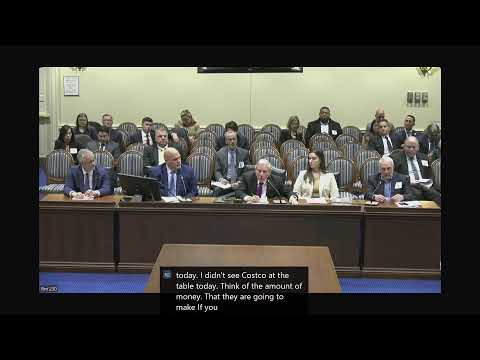
Maryland hearing pits veterans’ groups against for-profit claims consultants over accreditation and fees
Summary
HB 267 would authorize the Maryland attorney general to enforce rules barring unaccredited entities from charging veterans for initial VA claims and appeals; state veterans’ officials urged approval while for-profit consultants urged amendments to preserve choice and add guardrails.
Delegate Nick Allen told the Economic Matters Committee HB 267 would protect Maryland veterans from companies that charge fees to prepare initial VA claims or to assist with appeals without federal accreditation. Allen said federal law already bars charging for initial claims unless the helper is accredited by the VA, but criminal penalties were repealed in 2006 and enforcement gaps persist.
Representatives of the Maryland Department of Veterans Affairs, the Veterans of Foreign Wars and Disabled American Veterans urged the committee to approve the bill so the state attorney general could enforce federal standards and stop predatory actors they call "claims sharks." Maryland Department of Veterans Affairs Secretary Tony Woods said his department provides free accredited services and cited a 94% claims-acceptance rate when veterans use accredited assistance; the department said it handled 5,100 claims and secured about $45 million in benefits last year.
VFW and DAV witnesses described cases in which unaccredited companies charged veterans thousands of dollars and, they said, sometimes compromised back-pay recovery or encouraged harmful practices. The VFW's legislative representative Kurt Serber said unaccredited providers "choose to skirt the law."
Representatives of for‑profit consulting firms including Veterans Guardian and others said they want guardrails that stop predatory practices but warned that an outright ban on their business model would remove options for veterans. Several private-sector witnesses described contingent-fee, one-time payment models, disclosure practices and interest in a certification or code of conduct rather than a statewide ban. Veterans Guardian and trade-association witnesses offered specific amendments to require disclosures, fee caps and other safeguards.
Committee members questioned federal preemption and the practical effect of state enforcement; sponsors said they were coordinating with federal counterparts and that congressional bills (the GARD and PLUS Act proposals) remain unresolved. No committee vote was taken; witnesses on both sides requested further negotiation and possible amendments.