Get Full Government Meeting Transcripts, Videos, & Alerts Forever!
Get email alerts on the Worker Cooperatives topic
No spam. Unsubscribe anytime.
Supporters say new Maryland cooperative statute would smooth worker-owned business conversions
Summary
HB 15 would create a limited worker cooperative entity in state law; proponents said the change would help employees buy and preserve local businesses, reduce turnover and support rural economies. Business-law reviewers raised technical concerns; sponsors said most issues have been addressed by amendments.
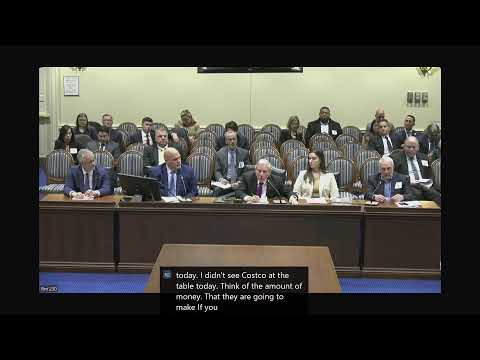
House Bill 15, presented Oct. 12 to the House Economic Matters Committee, would create a Maryland Limited Worker Cooperative Act, establishing rules for formation, governance, conversion and dissolution of worker cooperatives in the state.
Katie Hardy, chief of staff for Delegate Lily Chee, told the committee that current Maryland law recognizes five cooperative forms but not worker cooperatives, leaving about 30 known Maryland worker co-ops without a statutory home. "By including worker cooperatives in the statute, we will not only provide legal recognition to the over 30 known worker cooperatives in our state, but we will also create a path for more businesses to follow the cooperative model and thrive in our state's economy," she said.
Supporters argued worker cooperatives produce social and economic benefits: witnesses described lower turnover, higher productivity, and a route for aging owners to sell to employees rather than shuttering community businesses. Charlotte Davis, executive director of Keystone Development Center, cited pilot projects in Western Maryland where owners wanted to retire but market buyers could be found for only a fraction of those businesses.
Worker-owners and converted businesses gave firsthand testimony. Emily Lerman of Mira Kitchen Collective and Caitlin O'Connor of The Wine Source described complex and expensive entity conversions and difficulties obtaining accurate tax and workers’ compensation treatment without a cooperative statute. David Lids of Water Bottle Cooperative said lack of a statute forced his group to hire out-of-state lawyers.
The Maryland State Bar Association’s Business Law Section submitted informational comments and has highlighted technical and drafting questions; committee members asked whether amendments from prior sessions addressed most concerns. Sponsors said the latest draft reflects negotiations with the Bar's Business Law Section, the comptroller’s office and the Maryland Insurance Administration and that unresolved issues were largely clarifications rather than substantive blocks.
Supporters urged a favorable report and offered to work with the committee on amendments to address remaining technical questions on workers’ compensation, unemployment insurance treatment, and tax reporting. No formal vote was recorded at the hearing.