Get Full Government Meeting Transcripts, Videos, & Alerts Forever!
Get email alerts on the Education Employee Privacy topic
No spam. Unsubscribe anytime.
Panel approves bill to limit districts selling staff contact lists, curb invasive required apps
Summary
HB 124, as amended, bars school districts and the State Board from selling or transferring employee contact lists to third parties and restricts requiring technology that has privacy‑invasive terms. The bill allows accommodations and a State Board complaint process; the committee adopted a substitute and an amendment and passed the measure.
Representative Lee presented House Bill 124 to restrict local education agencies from selling or otherwise distributing staff contact lists and to prohibit districts from requiring employees to use technologies whose terms or privacy policies permit access to data beyond the app itself. The substitute also requires districts to provide reasonable accommodations for mandatory technologies in certain circumstances and creates a complaint process to the State Board of Education.
Why it matters: Teachers reported receiving unsolicited emails and distribution‑list solicitations that included staff names and school affiliations. Sponsors said the bill protects educators’ personal privacy while allowing districts to meet requirements for emergency and job‑related technologies by providing accommodations or district‑provided devices.
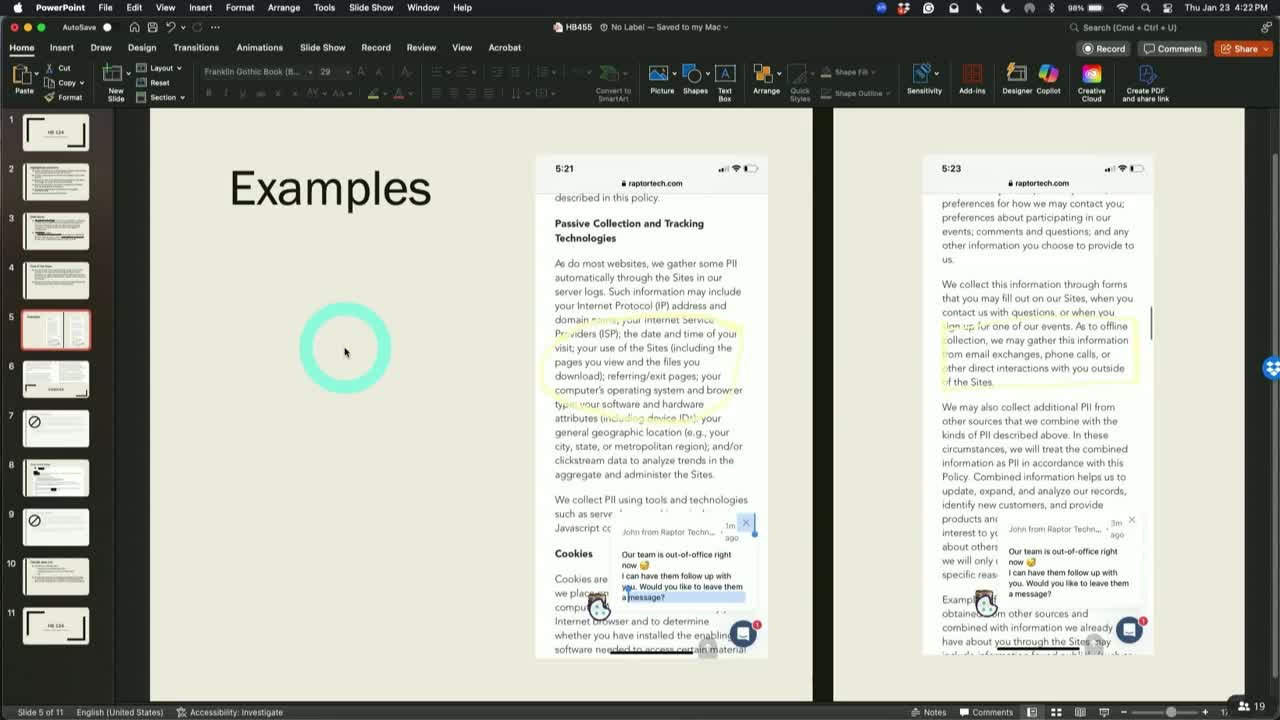
State Board member Christina Boggess (presenting in a personal capacity) and Representative Lee described examples of third‑party privacy policies that collect extensive metadata or reference access to texts and external apps. Witnesses and district staff said emergency apps used for reunification can disconnect when staff are evacuating, which raised questions about providing district devices or other accommodations for emergency technology. Canyon School District testified that they are piloting solutions and want to work with the legislature and sponsor to reconcile emergency communications and privacy protections.
Representative McPherson moved to adopt the first substitute; the committee adopted the substitute. McPherson later offered and the committee adopted Amendment 1 (disclosure when a GRAMA request requires release of information that otherwise would be restricted), then voted to favorably recommend the substitute as amended. The transcript shows the committee passed the measure unanimously.
Votes at a glance: Committee adopted the first substitute and Amendment 1, then favorably recommended HB 124 as amended; recorded as unanimous by voice vote.