Citizen Portal
Sign In

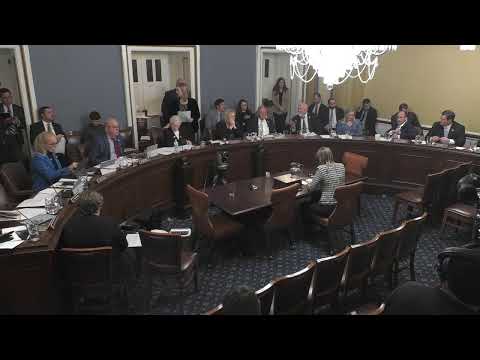
Rules Committee advances Lake and Riley Act under closed rule as members clash over detention, due process and costs

2144320 · January 22, 2025

Loading...

AI-Generated Content: All content on this page was generated by AI to highlight key points from the meeting. For complete details and context, we recommend watching the full video. so we can fix them.

Summary

The House Rules Committee made S 5, the Lake and Riley Act, in order under a closed rule alongside HR 471. Sponsors described the bill as mandating detention for certain noncitizens charged with violent or specified offenses; opponents warned it would erode due process, impose large costs, and create novel state enforcement powers.

The House Rules Committee agreed to a closed rule allowing floor consideration of S 5, the Lake and Riley Act, which would require Immigration and Customs Enforcement to detain certain noncitizens charged with specified offenses and give states new authority to sue federal officials over enforcement decisions. The committee-approved package that advanced HR 471 also made S 5 in order; the same 9–3 committee vote approved the procedural package.

Sponsor Representative McClintock framed the bill as a response to murders he said were committed by noncitizens who had not been detained. "S 5 bears the name of Lake and Riley," McClintock said, referencing victims whose deaths have been attached to the legislation. McClintock said the bill would require ICE detention for illegal aliens "who are charged with, arrested for, or convicted of any burglary, theft, larceny, or shoplifting offense," and for crimes that cause death or serious bodily injury.

Opponents, including Representative Raskin and Representative Scanlon, cautioned that the bill broadens mandatory detention from convicted offenders to people who are merely arrested or charged. Raskin noted fiscal estimates and constitutional concerns: "The Department of Homeland Security estimates that this bill will cost at least $26,000,000,000 in the 1st year alone to enact with the total cost coming at a minimum of $83,000,000,000," he told the committee, arguing the bill would create an unfunded mandate and shift enforcement priorities.

Critics also said the bill risks harming domestic violence victims and others who may be falsely accused. Representative Leisure Fernandez described scenarios in which a victim of domestic abuse could be arrested in a charged incident and, under the bill's standard, face detention or deportation even if charges were later dropped.

A contested provision would create a private right for states to sue federal officials over perceived enforcement failures. Sponsor McClintock defended that element as conforming to a Supreme Court opinion that left open the possibility Congress could authorize specific suits; opponents said the provision risks shifting immigration enforcement decisions from the executive branch to state attorneys general and federal courts.

The Rules Committee approved the closed rule for S 5 as part of the same procedural motion that structured floor consideration of HR 471. The committee rejected several amendments that Democratic members said would mitigate funding or due-process concerns. With the closed rule in place, the bill will proceed to the floor with limited or no opportunity for additional amendments during floor consideration.