Get Full Government Meeting Transcripts, Videos, & Alerts Forever!
Get email alerts on the Substance Abuse Prevention topic
No spam. Unsubscribe anytime.
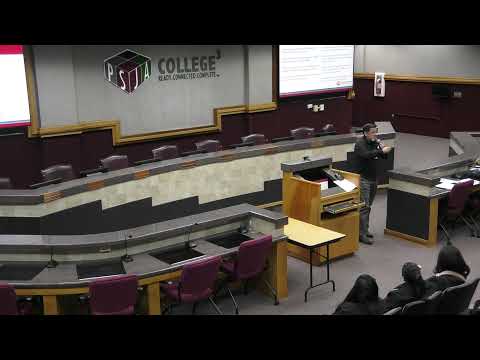
PSJA SHAC reviews fentanyl prevention program; district has naloxone on campuses and plans student instruction
Summary
Health services presented a fentanyl‑prevention curriculum, said naloxone (Narcan) is available at campuses, and asked SHAC to recommend grade levels and delivery to the school board consistent with state guidance on annual instruction.
Silvia Mazzolis and Mario Flores presented the district’s fentanyl awareness and poisoning‑prevention materials to the School Health Advisory Council and described classroom sessions and outreach to students and families.
Mazzolis said the district aims to educate students that pills bought outside licensed pharmacies or from social media may contain fentanyl and that a single counterfeit pill can be lethal. The presentation included a recorded testimonial in which a parent described a 19‑year‑old son who died after taking a counterfeit pill purchased through social media.
Mario Flores, a district presenter, told SHAC the program emphasizes three core messages: “1 pill kills,” the difficulty of detecting fentanyl without testing, and how to respond to an overdose. Flores told students that 2 milligrams of fentanyl — “about two grains of salt” — can cause a fatal overdose. He described signs of fentanyl poisoning (slow or absent breathing, difficulty waking, limpness, pinpoint pupils, pale or bluish skin) and recommended calling 911 and administering naloxone (Narcan) if available.
Mazzolis said naloxone kits have been distributed to campuses; campus officers, nurses, and some staff carry doses, and SHAC members were offered practice devices to demonstrate use. Presenters told the committee the district uses an anonymous reporting tool on the PSJA website so students can report suspected drug activity or threats.
Why it matters: presenters said synthetic opioids are a leading cause of overdose deaths; during the presentation they cited an estimate of 150 deaths per day from synthetic opioids and later a higher annual figure. The program seeks to prevent deaths by educating middle‑ and high‑school students, training adults to recognize and respond to overdoses, and making naloxone available at campuses.
Discussion and next steps: presenters said state law requires annual instruction for grades 6–12 on topics that include fentanyl awareness, suicide prevention, and substance‑use prevention; SHAC will recommend to the school board which grades and settings (classroom sessions by health services staff) are appropriate at PSJA. The district will continue to provide naloxone kits at campuses and arrange practice sessions for staff and SHAC members.