Get Full Government Meeting Transcripts, Videos, & Alerts Forever!
Get email alerts on the Cannabis Dispensary topic
No spam. Unsubscribe anytime.
Hot Springs residents, dispensary backers urge council to reconsider cannabis ordinance after public comments
Summary
Dozens of residents and business owners told the Hot Springs City Council on Feb. 3 that a local dispensary and associated grow operation have benefited patients and the town, and asked the council to reconsider ordinance changes that would affect the businesses.
Dozens of residents and business owners told the Hot Springs City Council on Feb. 3 that a local dispensary and associated grow operation have benefited patients and the town, and asked the council to reconsider ordinance changes that would affect the businesses.
Forrest Fanning, owner of Dakota Kind Dispensary, led the public comment, saying the operation is tightly regulated and disputing claims opponents handed the council at an earlier meeting. “I am Forrest Fanning, the owner of Dakota Kind Dispensary, and I’m here to ask you,” he said, and later added, “This is not some unregulated activity with a bunch of potheads growing in the tent. This is a professional activity.”
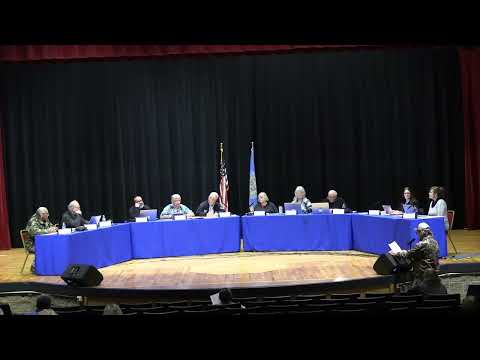
The comments came during the council’s communications from the public portion of the meeting and followed an earlier public hearing and committee discussions. Jessica Katterap, who said she is with Dakota Pine Dispenser at 1148 Jensen Highway in Hot Springs, handed the council a petition she said had 77 signatures from city residents and described community support for the businesses. “We have paid over $10,000 in sales taxes, $5,000 in licensing fees. We want to give you another $10,000 in licensing fees,” Katterap said.
Speakers who identified themselves as veterans, caregivers and patients described medical benefits they attribute to cannabis. Beau Byrd, who said he is a licensed user and cultivator, described low-input cultivation methods and called for local access to regulated product. Sam Marie Hicks said a caregiver’s access to cannabis helped her medical condition: “If it wasn’t for that, my cancer would still be going,” she said.
Several speakers pushed back on specific claims made by opponents at a prior meeting. Fanning disputed assertions about energy use and wastewater and said the facility destroys plant waste under state rules. He gave the council a citation and a web address and told members the South Dakota codified laws governing medical cannabis are in Chapter 34-20G. He also described employment at his operation: “Right now, we employ 4 people in the retail facility,” he said, adding that lead growers would earn $22 to $28 an hour and that a planned manufacturing facility would later add jobs.
Council members and staff clarified process and next steps. Mayor Bob Nelson and other officials reminded the public that the matter had previously been before the council as an ordinance reading that did not pass and that the council must follow its agenda and state rules for reconsideration. “So counsel will need to make a decision whether they want to put those two ordinances back on the agenda for reconsideration,” a council member said near the close of public comment.
City attorneys and staff did not make a decision at the meeting. Council members said they had gained information from the public comments and the prior committee work and would discuss whether to place ordinance changes back on a future agenda for formal consideration.
The discussion at the Feb. 3 meeting was part of an ongoing local process: an ordinance reading related to dispensary operations had failed its prior reading, and the council signaled it would take time to review committee notes, the codified law citations provided by speakers and internal homework before deciding whether to schedule reconsideration.
No formal vote on ordinance changes occurred at this meeting; council actions that were taken are recorded separately in the meeting record.