Get Full Government Meeting Transcripts, Videos, & Alerts Forever!
Get email alerts on the Environment topic
No spam. Unsubscribe anytime.
Council backs Lake Superior National Estuarine Research Reserve office and lab expansion; bids exceed earlier funding
Summary
The council approved a resolution supporting an office and laboratory expansion for the Lake Superior National Estuarine Research Reserve; the reserve seeks roughly $910,000 after initial bids exceeded an earlier $360,000 allocation.
The City of Superior Common Council on Jan. 21 approved a resolution supporting the Lake Superior National Estuarine Research Reserve’s proposed office and laboratory expansion at Barker’s Island.
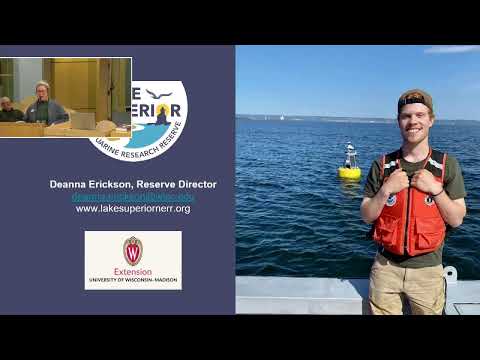
Deanna Erickson, director of the Reserve, told the council the project previously had $360,000 budgeted for a roughly 1,820-square-foot expansion but the lowest construction bid exceeded that amount by about $197,000, prompting a revised funding request. The current proposal Erickson described is about $910,000 and includes adding eight offices, a conference room and solar panels expected to provide just under half of the facility’s energy needs.
Why it matters: The reserve functions as a research and monitoring center for the St. Louis River area of concern. Erickson said staff increased from five full-time positions to 12 in the past year, and that the facility is land-leased from the city; she said city support for the grant application demonstrates local backing required by the university and funders.
Funding and timeline: Erickson said funding would come primarily from National Oceanic and Atmospheric Administration competitive grants and university contributions; additional support came from Wisconsin Sea Grant and the reserve’s nonprofit friends group. She estimated construction could be completed late 2026 if funding is secured.
Additional details: The expansion design includes roof-mounted solar to offset energy costs; Erickson said the solar installation would pay itself off in about three years and produce an annual electrical payback to the university after that point. The project will require a lease amendment with the city after construction.
The council approved the resolution by voice vote (motion by Councilor Holmes, second by Councilor Johnson). Erickson invited councilors to upcoming Reserve events and to a St. Louis River summit March 5 that includes sessions relevant to elected officials.