Get Full Government Meeting Transcripts, Videos, & Alerts Forever!
Get email alerts on the Opioid Prevention And Recovery topic
No spam. Unsubscribe anytime.
Houston County committee shifts toward prevention, considers outreach funding and a part‑time counselor
Summary
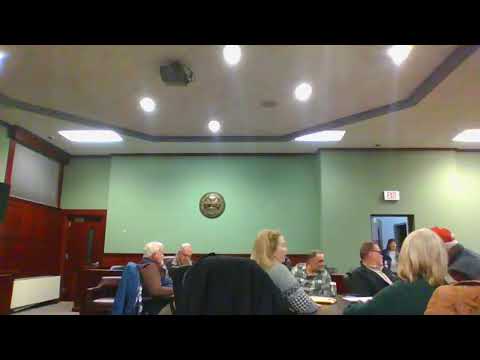
At a Houston County opioid committee meeting members prioritized prevention and outreach, discussed supporting local recovery providers and moved to ask the mayor to pursue a parade/booth arrangement and to request $5,000 for outreach activities; members also discussed hiring a part‑time counselor to centralize referrals.
Members of a Houston County advisory committee on opioids spent the meeting concentrating on prevention and on ways to connect people leaving treatment with housing, jobs and continuing care.
Committee members discussed how local recovery providers operate, raised concerns about people living in woods near county roadways, and reviewed multiple ideas for prevention outreach, including a parade booth and float/truck contest, a testimony booth for people in recovery, school outreach (K–12 calendar and guest speakers) and a possible mobile unit through the Tennessee Highway Patrol.
Why it matters: Committee members said prevention and a stronger aftercare system are critical to reduce recidivism among people leaving treatment programs and to avoid people returning to the streets. At the meeting organizers also discussed practical steps the committee can take now — outreach events that raise visibility and a proposal to create a centralized referral role — while noting limits on how opioid‑designated funds can be spent.
Discussion and program details
Participants described regional recovery providers operating multiple facilities under a shared operator (identified in discussion as Lighthouse Ministries and Safe Harbor). One program representative described a shift from six‑month to 12‑month residential programs and said the program now includes an aftercare or tracking component intended to report recidivism to courts, probation and parole. The committee heard that the facility’s capacity is roughly 80 beds (speaker estimated "about 82") and occupancy was reported at about 74 at the time of the meeting.
Committee members raised concerns about homelessness and unsheltered people living in wooded areas near county roads. Several speakers said people released from programs sometimes lack stable housing and that some local programs discharge participants without an aftercare plan, which can leave people at risk of returning to the street.
Funding requests and restrictions
The group discussed a separate request for $20,000 reported to be associated with a local recovery program called Freeman; participants questioned whether county opioid funds could be used for that request because of rules limiting how opioid‑designated accounts are spent. Committee members said alternatives might exist to assist those programs without moving restricted funds off‑account.
Proposals for outreach and prevention
Committee members outlined several prevention and outreach activities for the coming months: (1) a parade booth and a float/truck contest tied to prizes for schools, churches and community groups; (2) a testimony booth at the outreach event where people in recovery could share written or recorded stories; (3) a K–12 calendar contest featuring student artwork about drug prevention, to be used for fundraising and wider public messaging; and (4) school‑based talks and a possible “Project Graduation” supervised event for seniors to reduce risky behavior on graduation night. Participants also discussed inviting representatives from regional programs and hospitals (for example, counselors from a local foundation mentioned at the meeting) to present at a future committee meeting.
Staffing and referral idea
Several speakers proposed hiring a part‑time counselor or coordinator to act as a centralized local referral point: someone with experience in schools and drug‑related issues who could work with judges, juvenile court, schools and treatment providers to guide residents to appropriate services. Estimated scope discussed at the meeting included roughly 24–30 hours per week and an annual cost estimate given as about $20,000–$25,000; participants framed that position as a candidate for spending opioid prevention funds but noted that final budgeting and legal constraints would need to be confirmed.
Formal motions and next steps
During the meeting a member moved and another seconded for staff/the mayor to contact state authorities about leasing a parade asset or mobile unit for the outreach event; the motion was seconded and then discussed. Later a motion was made and seconded to request $5,000 for outreach materials (handouts and shirts), the float/truck contest prizes and costs associated with booth space and testimony‑booth activities. Committee members said they would seek approval for that $5,000 allocation at the next county commission or governing‑body approval meeting (participants indicated a Monday meeting as the next approval opportunity). The transcript records the motions and seconds but does not include a recorded roll‑call or final tally in the meeting record provided.
What the committee did not decide
The meeting recorded ideas and motions but did not record final approvals for the $5,000 allocation or the part‑time counselor hire. Committee members planned to seek formal approval at a follow‑up governing‑body meeting and to invite program representatives to present more detailed information at a future committee meeting. Members also identified a list of local providers and programs to inventory and map before final funding or referral decisions were made.
Ending
Members agreed to continue work at the next meeting, to collect information about local treatment programs and to bring more detailed staffing and budget proposals back to the committee for formal action.