
Edcouch-Elsa ISD presents UTRGV Early Head Start partnership; district staff say program will be revenue-neutral
Get AI-powered insights, summaries, and transcripts
Sign Up Free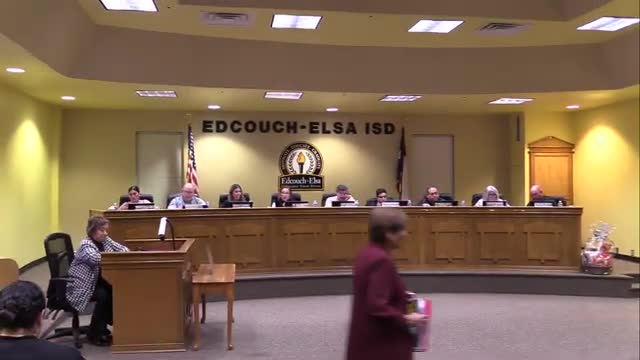
Summary
Edcouch‑Elsa Independent School District officials presented details of a new Early Head Start partnership with the University of Texas Rio Grande Valley (UTRGV) that would serve infants and toddlers and provide prenatal and parent supports.
Edcouch‑Elsa Independent School District officials presented details of a new Early Head Start partnership with the University of Texas Rio Grande Valley (UTRGV) that would serve infants and toddlers and provide prenatal and parent supports.
District early‑childhood lead Dr. Sandy Ochoa told the board the signed memorandum of understanding covers classroom conversion, curriculum and training and that UTRGV will pay staff salaries and benefits. The MOU as described in the presentation covers up to 24 student slots; district staff said 12 babies were enrolled or pending as of the presentation and that start of services could begin as soon as mid‑February pending licensure and training.
The presentation said the program will provide bilingual parent and pregnant‑woman curricula and use Frog Street infant, toddler and preschool materials. UTRGV staff converted five storage rooms into five classrooms and supplied equipment, according to slides shown to trustees. A designated case manager will work with UTRGV and district staff to coordinate family supports and recruitment through the district’s child‑find efforts.
District staff provided a budget breakdown during the presentation. For a 16‑slot scenario they showed an anticipated total of $184,588 (line‑itemed across salaries, benefits, supplies and family supports) and for a full 24‑slot scenario total projected revenue of $3,325,006; an overall total figure of $2,224,474 was shown in the packet (district presenters described portions as UTRGV‑funded and an in‑kind district contribution). The presentation said in‑kind items — custodial time, utilities, facility space and some district staff oversight — were estimated at $56,118.50 and that the district would not be required to provide cash funding unless the board chose to do so.
Dr. Ochoa said UTRGV recommended five classroom staff and would cover the cost of salaries and benefits; the program design called for a 4:1 child‑to‑staff ratio in core classrooms. She said UTRGV had selected the district as one of three Rio Grande Valley partners and that UTRGV would provide training and support for licensure; district staff said the MOU term includes a five‑year rent arrangement for the rooms used by the program.
Board members asked about start timing, eligibility and geographic priorities. Presenters said the program’s first priority is district students identified through child‑find; if slots remain, children from outside the district who meet eligibility and financial criteria could be served under the MOU. Trustees asked whether exceeding the MOU slot count would trigger a new application; presenters replied that UTRGV would renegotiate the agreement if the district sought to expand beyond the agreed term and capacity.
The presentation included an offer from UTRGV to host a site tour for trustees and district staff. The transcript of the meeting records the presentation and Q&A but does not record a formal board vote on the MOU during the public session.
District and UTRGV contacts said they expected licensure and training to take roughly 20 days once staff are approved and that recruitment would continue until the program reaches capacity.