Get Full Government Meeting Transcripts, Videos, & Alerts Forever!
Get email alerts on the Education Victim Protection topic
No spam. Unsubscribe anytime.
Parents, advocates urge law to keep convicted student out of same school as sexual‑assault victim
Summary
Representative Daniel Johnston introduced HB1247 after constituents described a case in which a victim returned to school while the accused returned to the same building; parents and victims testified in support, while legal counsel and school groups warned the bill needs careful drafting to avoid constitutional and procedural problems.
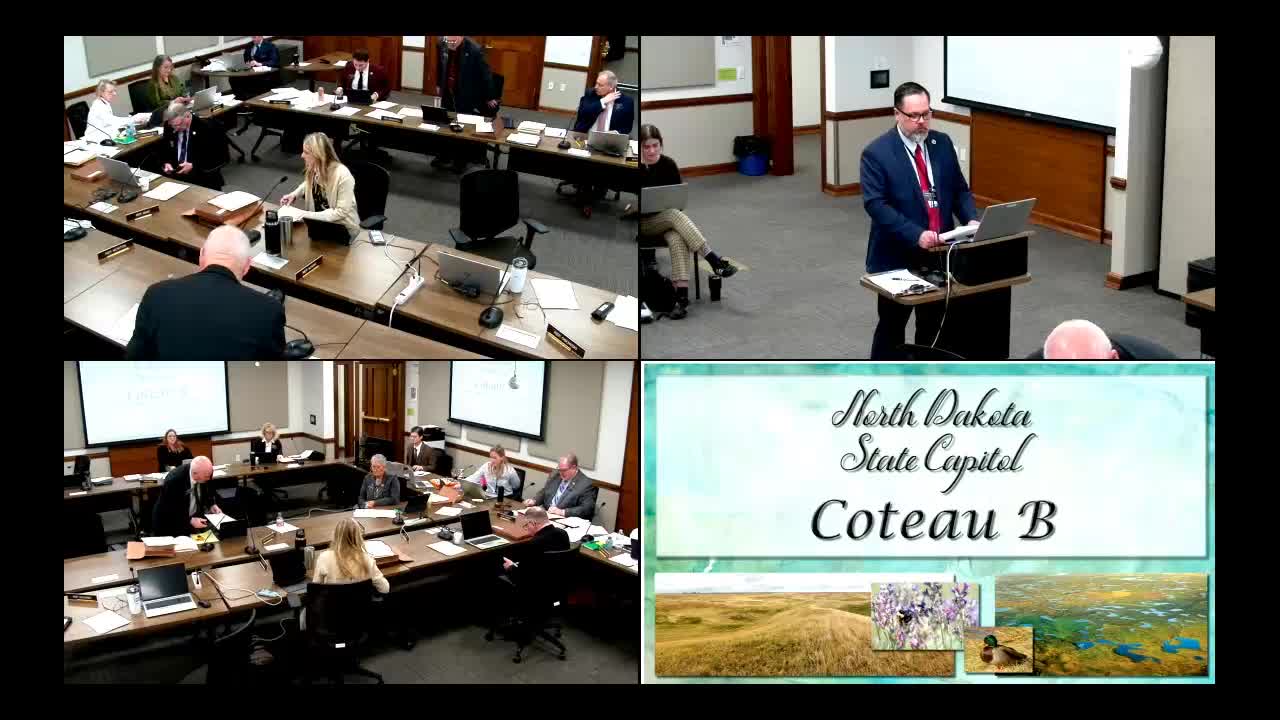
Representative Daniel Johnston (District 24) introduced House Bill 1247 to the House Education Committee, saying he sponsored the measure after learning of a case in which a sexual‑assault victim was returned to school while an accused student also returned to the same building. "Why should a victim be placed in a position where they are forced to leave their educational setting while the accused continues to attend the same school district?" Johnston said in opening remarks.
Alexis Dion, who said she spoke with permission from her daughter, gave extended testimony describing the emotional and academic harm her daughter experienced after being sexually assaulted by a classmate. Dion said the family's attempts to secure a safe learning environment were inadequate and that repeated exposure to the accused in the school setting compounded trauma. "Victims have already experienced the unimaginable and should not be expected to continue to face re‑traumatization," she told the committee, and urged passage of HB1247 to provide survivors access to school without the presence of a convicted attacker.
Supporters urged that schools be required to provide safety plans and that convicted students be separated from victims. Chris Ann Norby Jonner, legal counsel for the North Dakota School Boards Association, testified in favor but urged amendments to align the bill with federal and state procedural protections and to preserve due process. She suggested statutory language requiring a school to develop a safety plan and to follow due‑process steps before any long‑term exclusion is imposed.
Opponents raised legal and constitutional concerns. Travis Fink of the North Dakota Commission on Legal Counsel for Indigence told the committee the bill, as drafted, would likely face constitutional challenges and should be revised; he suggested the juvenile terminology be changed from "convicted" to "adjudicated delinquent" where appropriate. Fink also raised concerns about requiring courts to disclose confidential records to schools and about conflicts with the North Dakota Constitution and federal law.
School boards association counsel reiterated support for victims but asked the committee to address intersecting obligations — including IDEA, 504 plans, juvenile‑court procedures, and existing administrative processes — when drafting final language. That counsel recommended giving districts a statutory duty to create individualized safety plans that provide separation in school buildings and consider alternatives such as transfer, virtual instruction, or placement in alternative programs while preserving legal due process and appeal rights.
Committee members questioned how the statute would operate across differently structured districts (single k–12 buildings versus multiple campuses) and how to reconcile juvenile confidentiality laws and court reporting. Witnesses acknowledged complex interactions with juvenile procedure, court notification, and victim privacy laws (including provisions sometimes referred to as Marsy’s Law), and recommended targeted statutory drafting to avoid unintended legal conflicts.
No vote was taken; committee members signaled they would pursue drafting amendments to address due‑process, juvenile‑record confidentiality and implementation details.