Consultant tells Cedar Hill ISD board upgrades could cut energy costs; company proposes no-upfront-cost model
Loading...
Summary
Ideal Impact told trustees it can finance energy-efficiency work that it says could cut district energy bills substantially; the company proposes funding improvements upfront and receiving 80% of initial verified savings until payback.
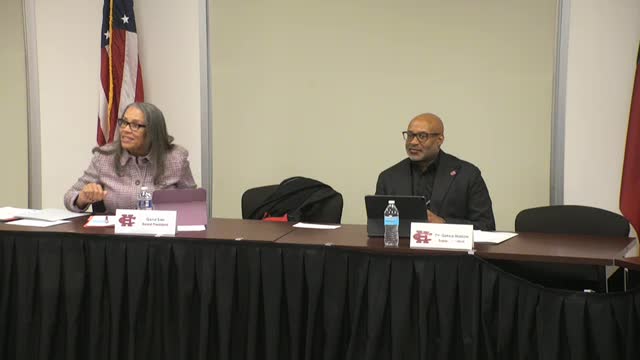
Cedar Hill ISD trustees heard a detailed presentation from Ideal Impact on energy-efficiency measures the company says could reduce the district’s energy and demand charges and produce net savings over time.
Wes McDaniel of Ideal Impact said the company pays for improvements up front, guarantees performance monitoring and is paid from a share of verified energy savings until equipment and project costs are recovered. McDaniel told the board the district would see positive cash flow from day one under the model and that the company assumes the financial risk: “You have no risk. And that’s what we wanted,” he said.
The presenter described multiple measures — controls optimization, humidity management, lighting upgrades, weatherization and zoning fixes — and emphasized demand-charge reductions by limiting top-15-minute peaks that compose a large share of commercial electric bills. Ideal Impact’s materials cited a district-level goal of roughly $274,000 per year in energy savings under a combination of “basic” and “committed” scenarios and projected a net benefit over a 15-year period; the presenter said the expected payback for the financed scope typically runs about three-and-a-half years.
How the financing works and what trustees heard McDaniel outlined a revenue-share arrangement: Ideal Impact would cover upfront capital; the district would pay the firm 80% of measured energy savings until the project cost is repaid, then retain ongoing savings. As an example from the presentation, the company estimated an annual payment to the vendor of about $219,000 during the payback period under the projected savings scenario.
Board members asked about prior work and durability of savings. Trustees who had worked with the company previously described measurable results and longer equipment life after projects; one trustee said the approach extended equipment lifespans and allowed savings to be allocated to campus priorities. Trustees also asked whether the vendor’s software and controls could be coordinated with upcoming construction projects — Ideal Impact said it would collaborate with architects and operations staff.
What the presentation did not decide Trustees expressed interest and several commented favorably about the proposal, but the meeting record does not show a formal motion or contract award. Administration and the vendor outlined next steps — a no-cost study collection of utility bills and equipment inventories followed by a detailed proposal — and trustees indicated they want further information on the specific scope, verified savings methodology and contract terms before any agreement is executed.
Ending: District staff will follow up on a free study and return with a recommended scope and financial analysis for board consideration.