Get Full Government Meeting Transcripts, Videos, & Alerts Forever!
Get email alerts on the Squares And Streets topic
No spam. Unsubscribe anytime.
Community panel presses BPDA, council for stronger anti‑displacement measures in Squares and Streets rezoning
Summary
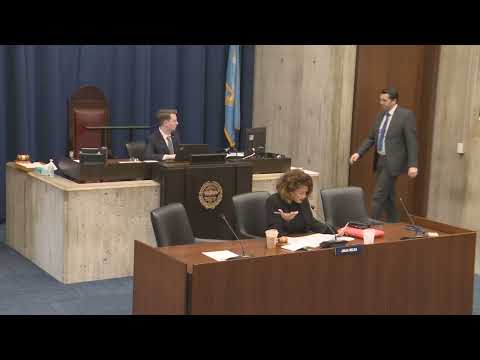
Councilor Julia Mejia convened the Boston City Council Committee on Post Audit, Government Accountability, Transparency, and Accessibility on Jan. 21 to take community testimony and question city planners about the BPDA Squares and Streets rezoning initiative and its effect on neighborhoods including Roslindale, Fields Corner, Mattapan and Dorchester.
Councilor Julia Mejia convened the Boston City Council Committee on Post Audit, Government Accountability, Transparency, and Accessibility on Jan. 21 to take community testimony and question city planners about the BPDA Squares and Streets rezoning initiative and its effect on neighborhoods including Roslindale, Fields Corner, Mattapan and Dorchester.
The hearing concentrated on two themes: residents’ reports that outreach has missed people most at risk of displacement, and repeated calls for clear, enforceable anti‑displacement measures before rezoning moves forward in high‑risk areas. “I think…squares and streets will lead to increased displacement of our current residents,” said Wheezy Waldstein, a Jamaica Plain resident and member of Action for Equity, recounting steep assessment increases and recent new construction nearby. Danielle Summer Quieta, lead affirmatively furthering fair housing consultant for Boston Tenant Coalition, told the committee: “If we simply build, build, build without concern for the community process or a better anti‑displacement protections, we will inevitably find that we have built a system of displacement, segregation, and injustice.”
Why it matters: advocates and neighborhood organizers said the plan as drafted risks accelerating market pressure in vulnerable corridors and that current outreach has skewed toward homeowners and English speakers. Laurie Herlevaus of Dorchester Not For Sale and organizers from Asian American Resource Workshop described workshops that required heavy translation and follow‑up because initial materials were technical and hard to follow for residents with limited English proficiency. Multiple panelists urged the BPDA to adopt neighborhood‑specific protections — including proposals described as “special protection zones” — and to tie rezoning to a citywide anti‑displacement action plan.
BPDA staff described the program and defended its outreach while acknowledging gaps. Amy Chambers, the BPDA’s planning and zoning director, said the initiative aims to speed permitting and allow more housing near transit, and that “we need to do something” to address an outdated zoning code. She and other BPDA staff outlined outreach activities — office hours, language‑specific workshops, business walks and hundreds of touchpoints — and said they have increased bilingual staff. They also reported changes made after community feedback, and noted planning is intended as iterative; the agency will pursue further revisions and convene follow‑ups with neighborhoods where questions persist.
Community organizers and some councilors said that iterative improvements are not sufficient on their own. Testimony and questions from councilors focused on: whether engagement met the needs of non‑English speakers, the absence of clear targets for family‑size units, how affordability requirements (including inclusionary provisions) are applied, and whether rezoning unintentionally encourages demolition and speculative investment that raises assessments and rents.
Evidence of impact and outstanding requests: BPDA staff pointed to Mattapan, where rezoning they implemented last year has been followed by a reported drop in zoning variances, faster permitting and more by‑right applications — changes the agency framed as reducing cost and time for smaller-scale projects. Organizers countered that those process improvements can accelerate market activity and argued protections must be embedded before mapping and upzoning proceed in areas with high displacement risk.
What the community asked the council to do: panelists asked the council to (1) pause or slow rezoning in neighborhoods flagged as high risk until neighborhood anti‑displacement plans are codified; (2) require that outreach capture and prioritize the people most likely to be displaced (including BHA residents and limited‑English households); and (3) ensure zoning and any incentives include explicit, measurable protections for family‑size units, small businesses, and long‑time residents.
Administration response and next steps: BPDA officials said they will continue to revise texts and plans based on comments, increase language access, and work across departments on an anti‑displacement action plan. The BPDA said it will delay major engagement or mapping for some locations (Codman Square and 4 Corners were cited) until additional protections and analysis are available.
Ending: Councilor Mejia said the committee will gather this testimony and may follow up with additional hearings to examine whether BPDA’s outreach and anti‑displacement commitments translate into measurable protections. The hearing record includes numerous written comments and a request that the administration present a detailed, neighborhood‑level anti‑displacement strategy before further rezoning in high‑risk areas.