Get Full Government Meeting Transcripts, Videos, & Alerts Forever!
Get email alerts on the Parks And Public Land topic
No spam. Unsubscribe anytime.
Boston council hearing exposes splits over White Stadium plan, rising costs and tree removals
Summary
BOSTON — A Boston City Council committee hearing on Jan. 22 exposed deep disagreements over plans to renovate White Stadium in Franklin Park, focusing on financing, public access and the environmental effects of removing mature trees.
BOSTON — A Boston City Council committee hearing on Jan. 22 exposed deep disagreements over plans to renovate White Stadium in Franklin Park, focusing on financing, public access and the environmental effects of removing mature trees.
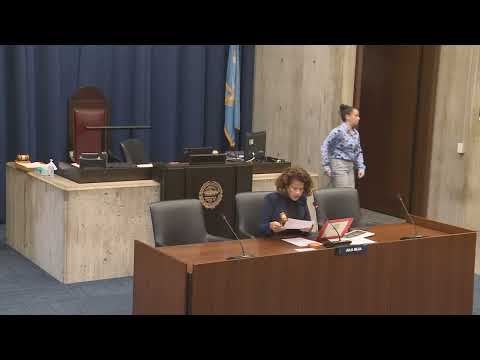
Committee Chair Julia Mejia opened the hearing by saying the aim was transparency. “We can all agree that we want to redesign White Stadium,” she said, but she added the committee’s purpose was to examine how decisions were made and whether the public had been heard.
Why it matters: The administration and a private partner propose a public‑private plan that city officials say brings private investment and ongoing operating funds; opponents say the terms shift too much control and financial risk away from the public and threaten parkland that residents use year‑round.
What the city presented: Dionne Irish, the city’s chief of operations, and other officials described a partnership with a private tenant, Boston Unity Partners, that would leave ownership with Boston Public Schools while the private partner finances and operates a large portion of the stadium. Officials said the city’s current budget estimate for its share is about $91 million and that the private partner would make multiple commitments, including an annual payment to the city of $400,000, a neighborhood fund of $500,000 annually and covering about $2 million a year in maintenance and operations related costs that the city otherwise would bear.
City officials also described legal safeguards in the deal, including an escrow and a corporate guarantee of $45 million that would be available to the city if the private partner pulled out during construction.
Community and expert concerns: Economists and neighborhood advocates disputed the size and terms of the project. Robert Andrew Zimbalist, an economist who testified remotely, warned the overall economic case was weak and noted the city share had risen from earlier estimates; he said, “The currently estimated city share is $91,000,000 and don’t be surprised if it rises further.” Community speakers, park advocates and the Emerald Necklace Conservancy argued there has been insufficient community review of alternatives and that the current plan would remove an estimated 145 mature trees and take roughly two acres of parkland.
Several speakers urged consideration of a lower‑cost, fully public renovation that would preserve more green space and provide a dedicated high‑school facility. Karen Moni Bridal of the Emerald Necklace Conservancy said the group had prepared a detailed alternative and a cost estimate it called substantially lower than the city’s proposal and more aligned with the Franklin Park Action Plan.
Transportation, access and scheduling: City planners said the lease limits private use to a maximum number of professional games per year and includes a transportation action plan (TAP) to address access/parking impacts; however, council members and neighbors said they had not seen final TAP details and pressed for more specifics on residential parking zones, shuttle operations and game‑day traffic management.
Process questions and next steps: Council members repeatedly pressed the administration for more granular cost breakdowns, transportation and environmental studies and asked whether the city would consider a slower, more transparent review. Officials said legal documents had been published and that the TAP would be finalized as construction documents are completed. The chair said the council will continue oversight and proposed a follow‑up resolution for the full council to consider.
What remains unresolved: The most contested items are the project’s final price for the city, the number and location of trees to be removed and the scope of private revenues retained by the tenant (notably, the contract described revenue sharing and naming rights terms that opponents said were heavily weighted to the private partner). Opponents pressed for alternatives on other city or private sites and for a fully public renovation option that would not include commercial components such as large hospitality or retail spaces in the park.
Ending: The committee did not take votes; Chair Mejia said the hearing would continue in subsequent sessions focused on public engagement and that councilors had asked the administration to supply additional cost details, transportation plans and environmental reports for further review.