Get Full Government Meeting Transcripts, Videos, & Alerts Forever!
Get email alerts on the Education Ela Curriculum topic
No spam. Unsubscribe anytime.
Bethlehem Central presents ELA curriculum pilot; cabinet to vote on Bookworms next week
Summary
District ELA leaders reviewed a yearlong pilot process that tested multiple programs and recommends piloting Bookworms across K–5 classrooms; a cabinet vote is scheduled next week and the main implementation cost would be purchasing books.
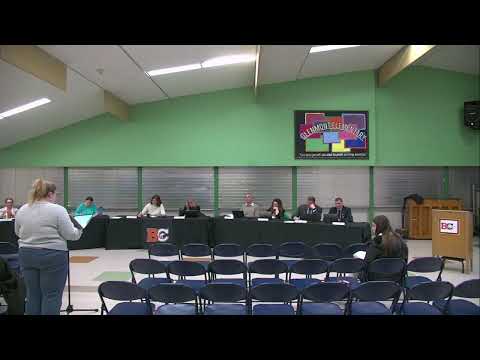
Dan Hash, K‑12 English language arts supervisor for the Bethlehem Central School District, presented the district's ELA curriculum pilot process at the board's meeting, saying the cabinet had reviewed multiple products and narrowed the options to a single pilot candidate.
The pilot process matters because it could change ELA instruction across kindergarten through fifth grade and is intended to align district instruction with the science of reading and Ed Law 818, which the presenters said requires K–3 curriculum to include evidence-based elements. The cabinet's recommendation and pilot evidence will be considered at a scheduled adoption meeting next week.
Hash outlined a multi-step review that began with canvassing available publishers, convening a district ELA cabinet (teachers representative of each building, supervisors and principals), and using rubrics and mini pilots to narrow the field. Mini pilots tested two products (identified in the presentation as Wit & Wisdom and CKLA); a third product, ARC, was removed from consideration after initial review. After that work, the cabinet examined a later-listed option called Bookworms, which the presenters said aligned with the district's priorities: authentic texts, interdisciplinary, and a knowledge-based approach.
"After its unanimous voting as our top choice combined with the concerns raised about the other products during our mini pilots, the decision was made to move forward with a pilot in only this 1 product," Hash said.
Jen Spiele, the district's multi‑tiered system of supports coordinator, explained the instructional priorities that guided the search, citing what the presentation called the "big six" reading competencies: oral language, phonological awareness, phonics, fluency, vocabulary and comprehension. She said the review found strengths in the district's current materials and also gaps the cabinet hoped a new program would fill.
Presenters described the pilot cohort as 30 teachers (one teacher per grade per building across six grades and five buildings). Pilot teachers received two virtual trainings before the school year started, were supplied with teacher manuals and student workbooks, and used the NYSED Materials Alignment Quick Check rubric and district measures (including fluency checks) to report results to cabinet. District staff said they held regular checkpoints, half‑day workshops for pilot teachers and monthly grade‑level collaborations to gather feedback.
The presenters said Bookworms is largely open source so the curricular framework itself has no licensing fee, but the biggest budget item is purchasing copies of the texts for classroom and teacher libraries. Dan Hash described the cost profile as "the books, which is such a great problem to have," noting additional purchases would include student workbooks and teacher guides.
Superintendent Jody Monroe and Dr. Dave Hurst, deputy superintendent, participated in the discussion; board members asked about scope, sequencing and supports for students and teachers. Presenters said Foundations (the district's K–2 phonics program adopted previously) would remain in place for kindergarten through second grade and that, if Bookworms is adopted, it would replace the district's current units of study for grades 3–5. They emphasized the intent to preserve instructional time for math, science and social studies while layering knowledge‑building opportunities into ELA lessons.
The presentation said the cabinet will meet next Thursday to vote on adoption. If adopted, the district plans additional professional development in the spring and summer and classroom coaching during year one; if the cabinet does not adopt Bookworms, the district will re‑open the selection process. Presenters stressed that adoption work is ongoing and that any final decision will be guided by the pilot evidence collected and cabinet deliberations.
Votes at a glance
The board also approved routine agenda motions earlier in the meeting: approval of minutes from the January 8, 2025 regular meeting; professional personnel action items 1–13; support personnel action items 1–6; and other action items 1–4. Board members removed one policy first‑read item (a tobacco/vaping policy sentence) from consideration so it could be revised by the policy committee and returned for future action.
Ending
The cabinet's adoption meeting is scheduled next week; presenters said they will share pilot rubrics, fluency measures and teacher feedback at that meeting to inform the cabinet vote. If the district adopts Bookworms, the next steps will include ordering texts, scheduling in‑district professional development and setting a phased implementation plan for K–5 classrooms.