Get Full Government Meeting Transcripts, Videos, & Alerts Forever!
Get email alerts on the Public Safety Equipment topic
No spam. Unsubscribe anytime.
Council approves police equipment purchases and boosts training range funding
Summary
The council approved purchases including breathalyzers, tent meters and a citywide dash-camera platform, and expanded funding for police shooting-range upgrades after officers described needed repairs and training space improvements.
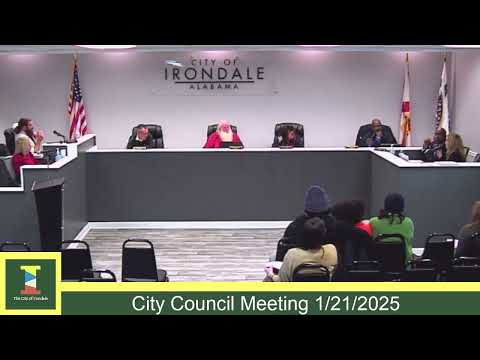
Irondale councilmembers approved a package of public-safety equipment and training upgrades during the Jan. 21 meeting, including purchases intended to equip each patrol vehicle with breathalyzers and a dash-camera system integrated with officers’ body cameras.
The council authorized purchase of 25 alcohol sensor FST units (not to exceed $11,000) and 30 handheld tent meters (not to exceed $2,692). The council also approved a five-year contract for dash cameras and a cloud-based evidence platform in an amount up to $327,132 spread over five years; the vendor’s platform will integrate dash cameras, body cameras and Taser recordings for incident evidence review.
Separate but related, officers asked the council to fund upgrades at the municipal firearms range. The initial proposal documented in the packet covered a metal garage building for secure storage and replacement of worn range infrastructure; after discussion officers described additional needs — reinforcements to range berms, replacement of worn “railroad-tie” target supports, electrical work and cameras — and the council approved expanding the funding to $35,000 for “improvements” (the packet amount had been lower). Councilmembers Robert Box and John London each pledged discretionary funds to help (Box $2,000, London $1,000 recorded in meeting discussion).
Officers and public-safety staff said the camera platform would centralize evidence collection and reduce turnaround time for reviews; dash cams and integrated evidence were described as beneficial both for public accountability and officer protection. The dash-camera installation will be handled by the vendor; the department expects installation and staging to begin within a roughly two-month lead time.
Why it matters: The purchases and range upgrades are intended to standardize equipment across patrol cars, speed evidence review with an integrated cloud system, and support continued training. Officers said better equipment reduces safety incidents and gives supervisors clearer investigative material.
What’s next: Vendor installation and training timetables were discussed; the department expects a staged rollout beginning in coming months and will coordinate installation windows with fleet availability.