Get Full Government Meeting Transcripts, Videos, & Alerts Forever!
Get email alerts on the School Safety topic
No spam. Unsubscribe anytime.
Sheriff and commissioners warn HB40 school-safety mandates could strain rural resources without funding
Summary
Beaver County officials told the legislative presenter they are concerned HB40’s school-safety mandates place new obligations on rural sheriffs and schools that lack funding and personnel.
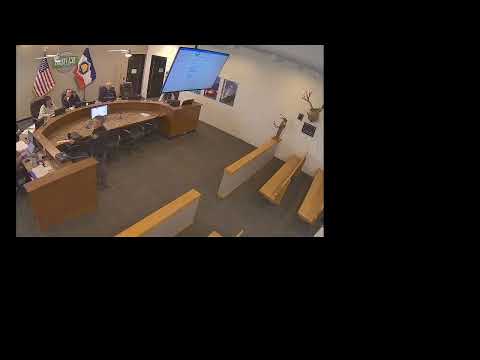
Commissioners and the county sheriff discussed HB40 (a school-safety bill) during the Jan. 21 meeting and raised concerns about unfunded mandates and staffing limits in rural areas.
Lincoln briefed the commission that the bill contains compliance provisions and new obligations but that funding to meet the mandates remains uncertain. The sheriff (speaking during the public discussion) said he opposes asking volunteers, teachers or custodial staff to serve as armed school guardians: “I've never liked the idea of asking a volunteer to carry you down and and neutralize the school shooting, or a teacher for that,” the sheriff said. He and other speakers argued that rural districts often have limited law-enforcement coverage — for example, one SRO (school resource officer) covering multiple schools — and that meeting full-time guardian staffing requirements would be difficult without exemptions or funding.
Commissioners and county staff said the bill contains many elements that could increase sheriff’s office obligations and that the county should coordinate with the sheriff’s association and Representative Wilcox to explain rural implementation challenges. Lincoln recommended using legislative budget constraints as a lever to temper mandates, noting a large fiscal note would make the most expansive mandates harder to pass.
No formal action was taken; staff agreed to track the bill and to seek a meeting with Representative Wilcox and the sheriff’s association for a fuller discussion of the bill’s likely fiscal and operational impacts.