Get Full Government Meeting Transcripts, Videos, & Alerts Forever!
Get email alerts on the Pandemic Review topic
No spam. Unsubscribe anytime.
Senate approves study of Idaho's COVID-19 response, limits cost to $10,000
Summary
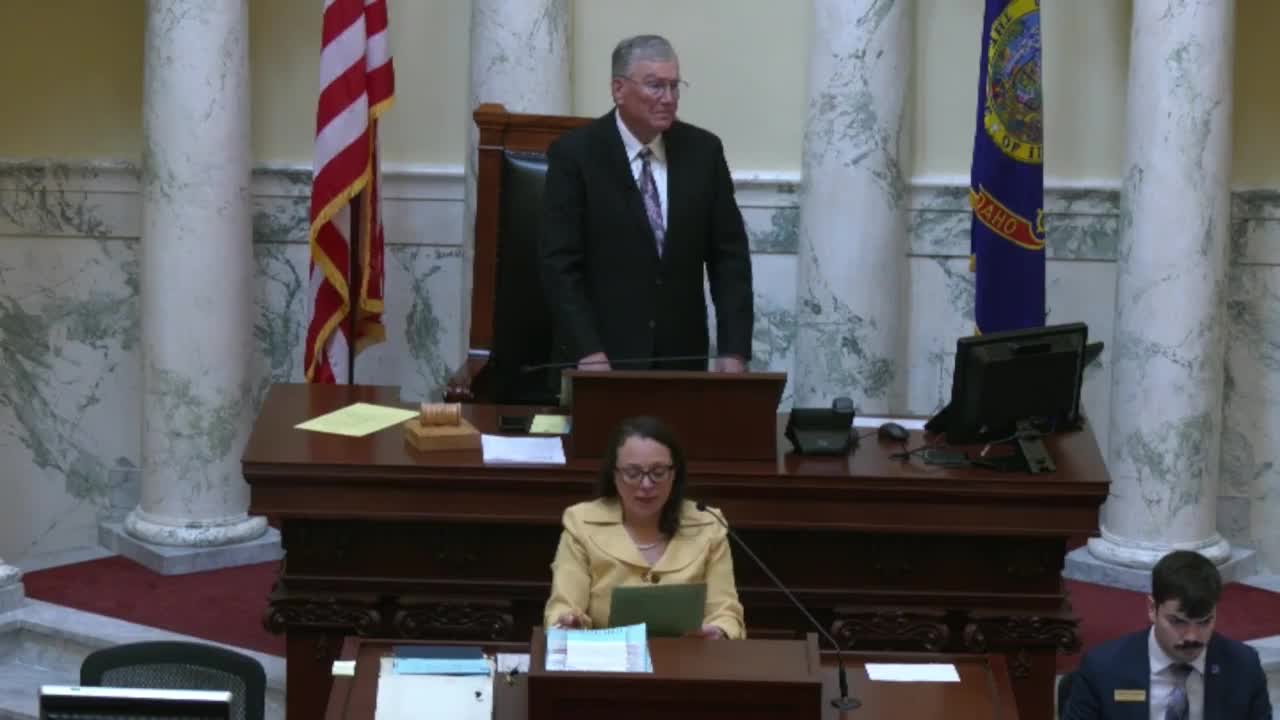
The Idaho Senate on Jan. 22 passed Senate Concurrent Resolution 102 directing the Legislative Council to appoint a committee to study the state's response to the COVID-19 pandemic; sponsors said the review will use existing legislative funds and should not exceed $10,000.
The Idaho Senate on Jan. 22 adopted Senate Concurrent Resolution 102, directing the Legislative Council to appoint a committee to review the state government's response to the COVID-19 pandemic. Sponsors said the work will use existing legislative funds and that total expenditures should not exceed $10,000.
Senator Foreman, who moved adoption, told colleagues the resolution is intended "to discover information that may be useful to state planners in the future" and "does not seek to point fingers or impart blame." Foreman said a comprehensive after-action review has not been done and that learning from the pandemic will help the state "be prepared to promptly, intelligently, and constitutionally act to mitigate the dangers that may be posed by a future pandemic or a similar emergency situation."
Senator Tara Lenny spoke in favor of the measure and said she has heard repeated requests to reevaluate pandemic responses. "Do we really need to relitigate COVID?" Lenny said, answering her own question: "I don't think we litigated it in the first place," and urged colleagues to support an official review of mandates, school and hospital policies, and economic impacts.
The resolution states the investigation can be conducted using funds already appropriated to the legislature and that "the total expenditure of funds should not exceed $10,000," language sponsors emphasized during debate. The secretary called the roll and the chamber recorded 25 votes in favor, nine against and one absent; the journal recorded that the "majority having voted the affirmative" the resolution passed and that the title was approved. The resolution will be transmitted to the Idaho House of Representatives for its consideration.
The measure requests that the Legislative Council appoint a study committee; the resolution itself does not create new statutory authority nor appropriate new recurring funds. Sponsors described the study as an information-gathering and planning exercise rather than a disciplinary or investigatory action against named officials or agencies.
Next steps: with passage by the Senate, SCR 102 will go to the House. If the House concurs or takes comparable action, the Legislative Council would assemble the committee and define scope and schedule for the review using the legislative resources specified in the resolution.