
Sponsor introduces proposal for a state public–private PBM partnership; committee holds bill for more work
Get AI-powered insights, summaries, and transcripts
Sign Up Free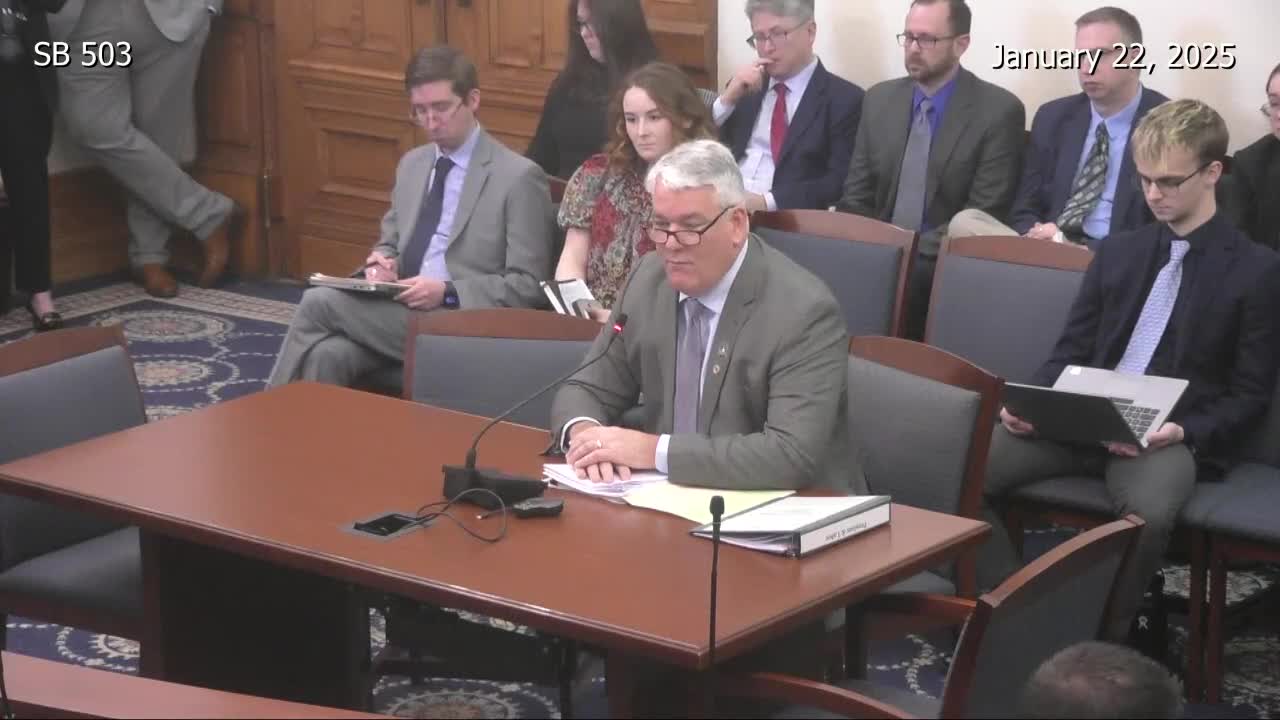
Summary
Senator Zay presented a proposal to create a state-run or state-partnered PBM to give the state a direct role in negotiating drug prices and rebates for state health plans; stakeholders raised technical objections and committee opted to hold the bill for further study.
Senator Zay presented a proposal to authorize the state to enter a public-private partnership or contract to operate a pharmacy benefit manager (PBM) for state health programs. The sponsor framed the concept as a way to increase price transparency, negotiate rebates directly and reduce spread pricing.
Senator Zay said the model, used in some other states, would allow the state to control PBM contracting for Medicaid and state employee plans and capture more of the rebate and price benefits for public programs. "The only way to have full transparency is to put ourselves at the table and the only way to do that is to be in a public-private partnership where you will be a part of that, where the state will own the PBM and be a part of that relationship and be a part of negotiating the rebates," Senator Zay told the committee.
Supporters — including independent pharmacists and pharmacy associations — argued the approach is a way to address spread pricing and under-reimbursement that they said contributed to pharmacy closures in some counties. Retail pharmacist Ryan Engelking described low reimbursement rates in rural counties and urged a transparent model tied to acquisition costs and a fair dispensing fee.
Opponents and cautious voices raised concerns. Phil Cristanelli of the Pharmaceutical Care Management Association said the bill's proposed bidder restrictions (excluding PBMs with financial ties to pharmacies or manufacturers) could exclude much of the market and reduce competition. Other witnesses warned about operational complexity and the limited pool of experienced vendors. The Indiana Chamber and other business groups urged careful, negotiated solutions to preserve employer plan flexibility under ERISA.
After hearing testimony and noting the technical and procurement questions raised, the sponsor and committee agreed not to move the bill that day; Senator Zay said he would continue work with the governor's office and stakeholders and bring the proposal back after further drafting.
Votes at a glance: Senate Bill 503 — Committee outcome: held for further work (no committee vote taken).