Get Full Government Meeting Transcripts, Videos, & Alerts Forever!
Get email alerts on the Pharmacy Pbm Transparency topic
No spam. Unsubscribe anytime.
Committee advances PBM transparency and anti-steering bill despite disagreement over dispensing fees
Summary
Senate Bill 140, targeting pharmacy benefit manager (PBM) practices with anti-steering provisions, minimum-reimbursement language and data reporting requirements, moved to appropriations after debate over a proposed dispensing fee and concerns from insurers and PBMs.
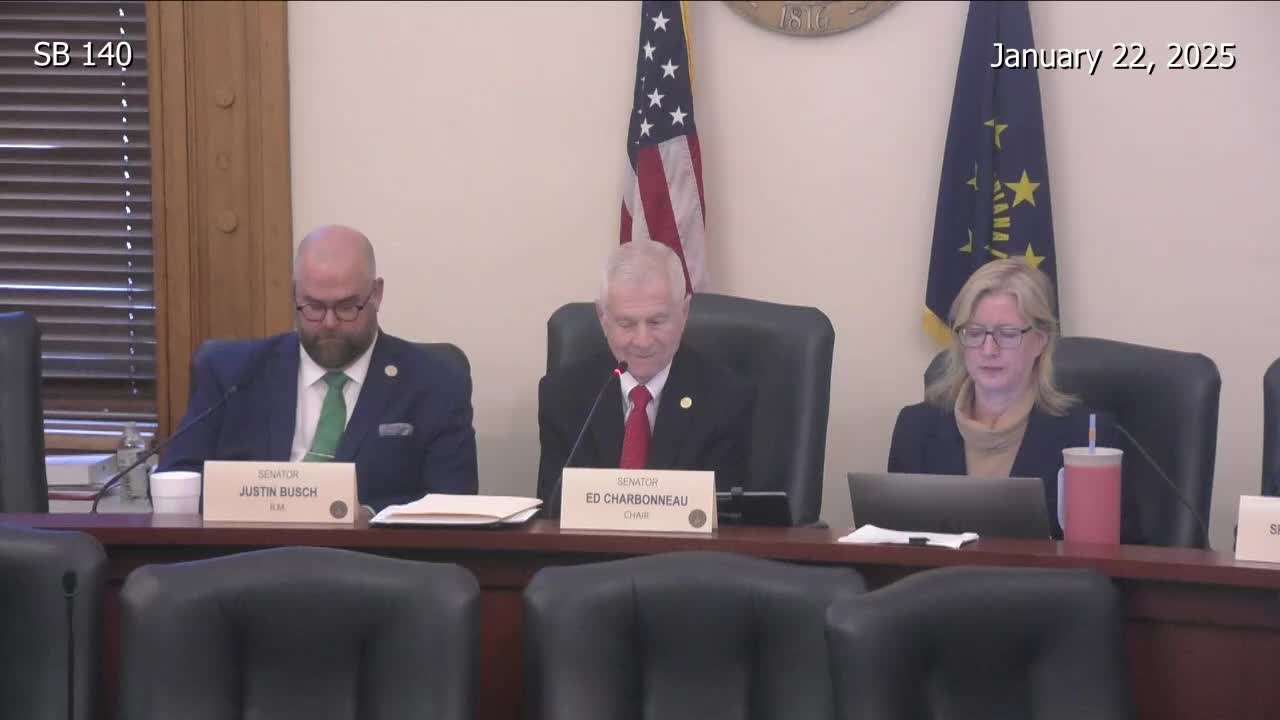
The Senate Health Committee voted 10-1 to advance Senate Bill 140, legislation intended to increase transparency in pharmacy benefit manager practices, prohibit certain steering and require standardized reporting of pricing and reimbursement data.
Audrey Arbogast, chief of staff to the secretary of Family and Health Services, testified for the administration in support of measures that would hold PBMs accountable and improve patient access to lower-cost prescriptions. Pharmacy representatives and independent pharmacists urged the committee to adopt a reimbursement floor tied to national average acquisition costs plus a dispensing fee. "If a pharmacy pays a certain amount to acquire a drug, then it should be reimbursed an amount to cover that cost plus an adequate dispensing fee," said retail pharmacist Ryan Engelking, describing low reimbursements that threaten local pharmacies.
PBMs and insurers opposed parts of the bill, arguing several provisions would raise costs. Joey Fox of the Indiana Association of Health Plans called the proposed statutory dispensing fee effectively a "pill tax," warning that adding a fixed per-prescription amount statewide could increase premiums. PBM representatives also cautioned that the bill's restrictions on contractual arrangements with affiliates and limits on value-based pricing could reduce flexibility and raise costs for plans and employers.
Supporters pointed to an audit showing spread pricing and under-reimbursement as reasons to act; independent pharmacists and associations said closures of pharmacies in certain counties underscore the access problem. Critics argued the bill's definition of "independent pharmacy" could capture large retailers and that a rigid statutory dispensing fee would remove tools payers use to manage cost and direct patients to lower-cost options.
After debate, the committee adopted two technical amendments clarifying interoperability for data reporting and prohibiting some contract requirements that would force pharmacies to use an insurer's affiliates. The committee then voted 10-1 to move the bill to the Appropriations Committee for fiscal analysis.
Votes at a glance: Senate Bill 140 — Committee outcome: moved to Appropriations (do pass recommendation); committee vote: 10 yes, 1 no.
Sponsors said they will continue negotiating technical fixes and definitions before the bill reaches the Senate floor.