Get Full Government Meeting Transcripts, Videos, & Alerts Forever!
Get email alerts on the Healthcare Pricing Referral Compensation topic
No spam. Unsubscribe anytime.
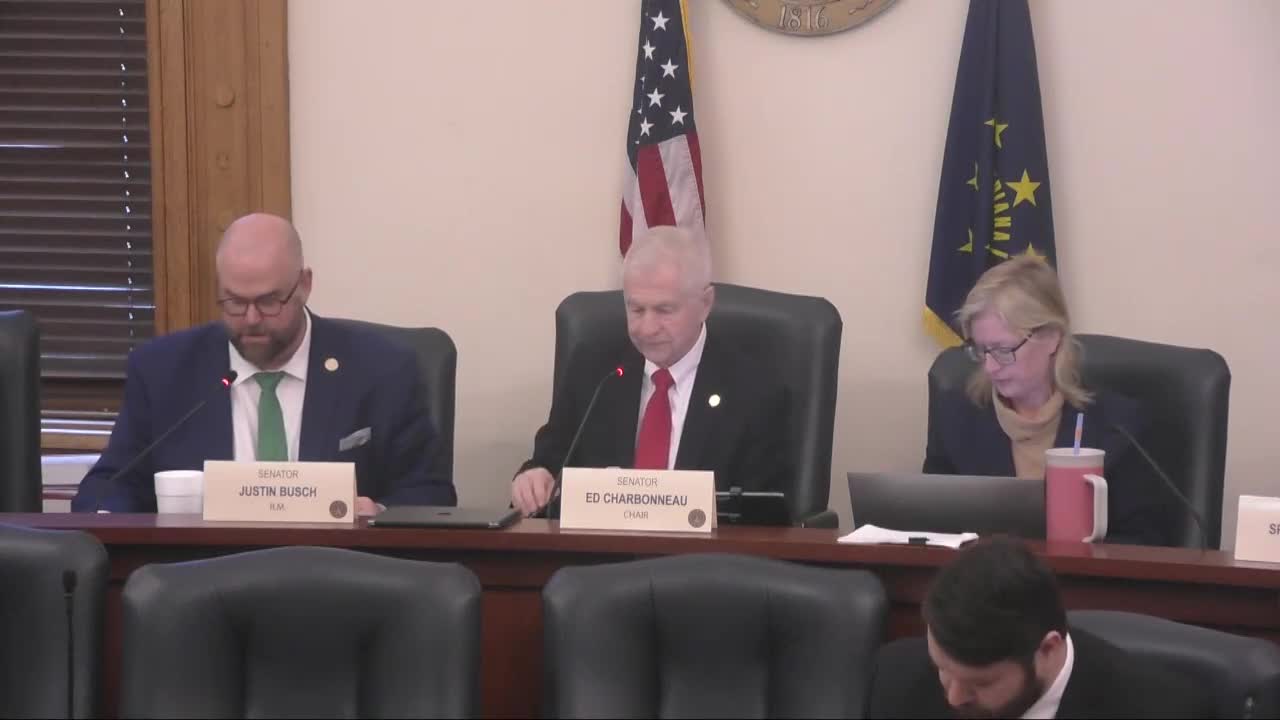
Committee advances bill to ban referral pay and expand price-transparency portal; lawmakers pledge edits
Summary
Senate Bill 147, which would ban intra-network referral compensation and require public display of negotiated health-care prices and quality metrics, advanced out of committee after supportive testimony and discussion of implementation details.
The Senate Health Committee advanced Senate Bill 147 after testimony from business groups, hospitals and consumer advocates about physician referral payments and price transparency.
Sponsor Senator Bush described the bill as having two major components: a prohibition on compensation to a referring physician for steering patients within the same network, and a requirement for a publicly accessible portal that displays average negotiated charges, facility and provider quality metrics and contract-level physician reimbursement details. "Referring physicians cannot receive compensation or incentives from a healthcare entity or another physician within that same network for referring a patient," Senator Bush told the committee.
Testimony reflected a range of views. Ashton Eller of the Indiana Manufacturers Association urged support for the anti-referral-payment provision, arguing such incentives can drive unnecessary referrals and higher costs. "This practice can potentially lead to unnecessary referrals, driving up healthcare costs," Eller said.
The Indiana Hospital Association said it was neutral and raised technical questions the committee should consider before final passage, including whether federal laws (anti-kickback, Stark and false-claims statutes) already address the problem, how the state licensing board would implement enforcement, whether the bill requires a proving of intent or imposes strict liability, and how value-based payment arrangements would be treated. Tim Kennedy, chief counsel for the Indiana Hospital Association, told the committee regulators will need clear definitions of "compensation," "incentive," and "healthcare network" to avoid a complex patchwork of regulation.
Advocates for patients, including Matt Bell of Hoosiers for Affordable Health Care, supported the bill as a means to ensure referrals are made in patients' best interests rather than because of financial ties between providers and systems.
Committee members acknowledged there were drafting issues to resolve on the transparency portal and other technical language. Several members asked for additional data about the cost to providers of complying with data-reporting requirements; witnesses said large hospital systems have reported compliance costs for the state all-payer claims database in the low millions to tens of millions of dollars.
The committee moved the bill forward. The recorded committee vote was 11 yes and 1 no. Several senators explained that they supported the anti-referral-payment component but wanted additional work on the transparency and data-reporting sections.
Votes at a glance: Senate Bill 147 — Committee outcome: moved to floor (do pass recommendation); committee vote: 11 yes, 1 no.
The bill will be subject to drafting changes as sponsors work with stakeholders to clarify definitions, implementation responsibilities and reporting costs.