Get Full Government Meeting Transcripts, Videos, & Alerts Forever!
Get email alerts on the Health And Welfare Reorganization And Division Budgets topic
No spam. Unsubscribe anytime.
Department of Health and Welfare proposes reorganization; committee reviews division budgets, vehicle replacements and licensing exemptions
Summary
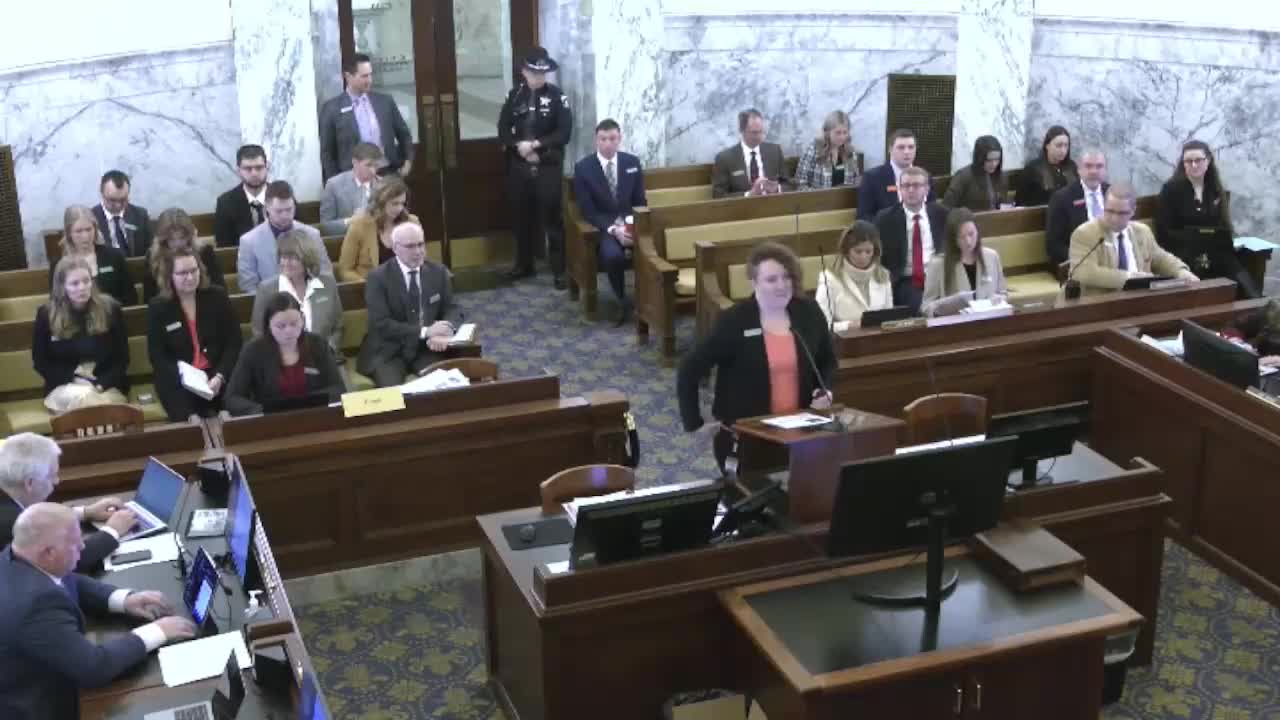
The Joint Finance and Appropriations Committee on Jan. 13 heard an overview of the Idaho Department of Health and Welfare's proposed internal reorganization, staffing numbers and several division-level budget requests, including replacement of state vehicles, IT system upgrades and a licensing exemption to allow transfers from personnel to operating expenditures.
The Joint Finance and Appropriations Committee on Jan. 13 heard an overview of the Idaho Department of Health and Welfare's proposed internal reorganization, staffing numbers and several division-level budget requests, including replacement of state vehicles, IT system upgrades and a licensing exemption to allow transfers from personnel to operating expenditures.
Alex Williamson, budget and policy analyst with the Legislative Services Office, told the committee the department is authorized 3,015.94 full-time positions and reported 315.57 vacant positions at the end of August; the office's five-year average shows about a 94% filled rate and roughly 93% of personnel appropriations spent on personnel costs. Williamson said the reorganization is included in the agency's program maintenance request recommended by the governor and would realign budgeted programs with the department's actual administrative structure.
Why it matters: The reorganization shifts lines of reporting and program oversight in a department that spent about $4.9 billion in fiscal year 2024, much of it trustee and benefit payments (Medicaid, assistance payments and subgrants). Changes proposed include promoting the Medicaid administrator to deputy director, moving behavioral health and some developmental disability programs under Medicaid, creating a new child, youth and family services division, and moving the Idaho Child Care Program (ICCP) into early learning and development with its own appropriation tracking.
Director Alex Adams, who began in the role in June prior to the hearing, described the rationale as improving “line of visibility” and accountability. Adams said he adopted organizational recommendations from the prior interim director and has created a new chief financial officer position that reports directly to the director, a new chief over legislative and regulatory affairs, and a program manager for communications and customer experience. Adams distributed an organizational chart showing 22 leadership positions, 15 of which he said are new or in new seats, and named several hires by their roles: Misty Lawrence (chief financial officer), Michael Pearson (director of operations), Mani Pro (child welfare), and John Bernasconi (welfare). He said the department's goal is to align the budget with who is doing the work internally so the Legislature can ask questions of the appropriate office.
Indirect support services: Williamson said the division is authorized 259.6 FTP and spent about $40.2 million in fiscal year 2024, primarily for personnel and operating costs. For fiscal year 2026 the department requested one-time replacement items totaling about $2.8 million (including $384,000 for visitation rooms, $648,000 for office remodels and furniture, and $1.8 million to replace 60 vehicles). The Office of Information Technology requested $1.8 million for hardware replacement and the department requested $711,000 one-time to replace SQL Server licensing and hardware with a $140,000 ongoing request for software assurance; the governor recommended all requests except a separate request for cloud server capacity, which the agency said it could handle through other solutions.
Fleet details and child welfare impact: Adams told the committee the state fleet totals 435 vehicles, about two-thirds used by child welfare staff for transportation related to visits, court appearances and medical appointments. He said the department's goal is a seven-year replacement cycle; the vehicles identified for replacement this year have between about 105,000 and 159,000 miles. Adams and committee members discussed rising vehicle costs and the department indicated replacement shortfalls in past years (34 vehicle replacements requested in an earlier year versus 60 this request) left the agency off its replacement schedule.
Licensing and certification: The division is authorized 71.9 FTP with 13.9 vacancies at the time of the budget submission. Licensing and certification inspects and certifies healthcare facilities and historically has used contracted nurses to perform surveys when staff are not available. The division requested an exemption from the transfer limitations in Section 8 of Senate Bill 1268 (2024) so it can move personnel appropriation to operating expenditure categories as needed to hire contract nurses; the governor recommended the supplemental and the enhancement. Director Adams said contract surveyor pay runs “about 90 to 95 an hour,” while staff pay is roughly $35 an hour, and noted the division's vacancy and turnover history: long-term care team vacancies peaked during the pandemic and turnover has fallen from roughly 21% to 7% in recent years. Adams added the state must inspect nursing homes on a regularly required cycle (he cited a 15.9-month inspection requirement), which is the operational reason the division needs contract capacity when staff are insufficient.
Statutory note and proceeds from vehicle sales: In response to a committee question, Adams cited Idaho Code (Chapter 67, 67-35) explaining that proceeds from vehicle sales return to the agency and may be used for capital outlay. Committee members asked the department for additional detail on the fleet (a list of vehicles, mileage and replacement rationale) and for status updates on MMIS-related IT positions that were funded in prior appropriations; Adams said the MMIS positions have been posted and hires were expected in February.
Next steps: The committee was reminded that the department's program maintenance package and the other-programs enhancement bill (which houses indirect support services and licensing and certification) will be set during budget setting later in the month, and the committee will review division-specific hearings and work groups through January, February and March for Medicaid.
The hearing included multiple committee questions and staff follow-ups; no formal final committee votes on the reorganization or the individual enhancement requests were recorded during this session.