Get Full Government Meeting Transcripts, Videos, & Alerts Forever!
Get email alerts on the Appropriations Law topic
No spam. Unsubscribe anytime.
Legal counsel reviews the Legislature—s "power of the purse," limits on appropriations and drafting rules
Summary
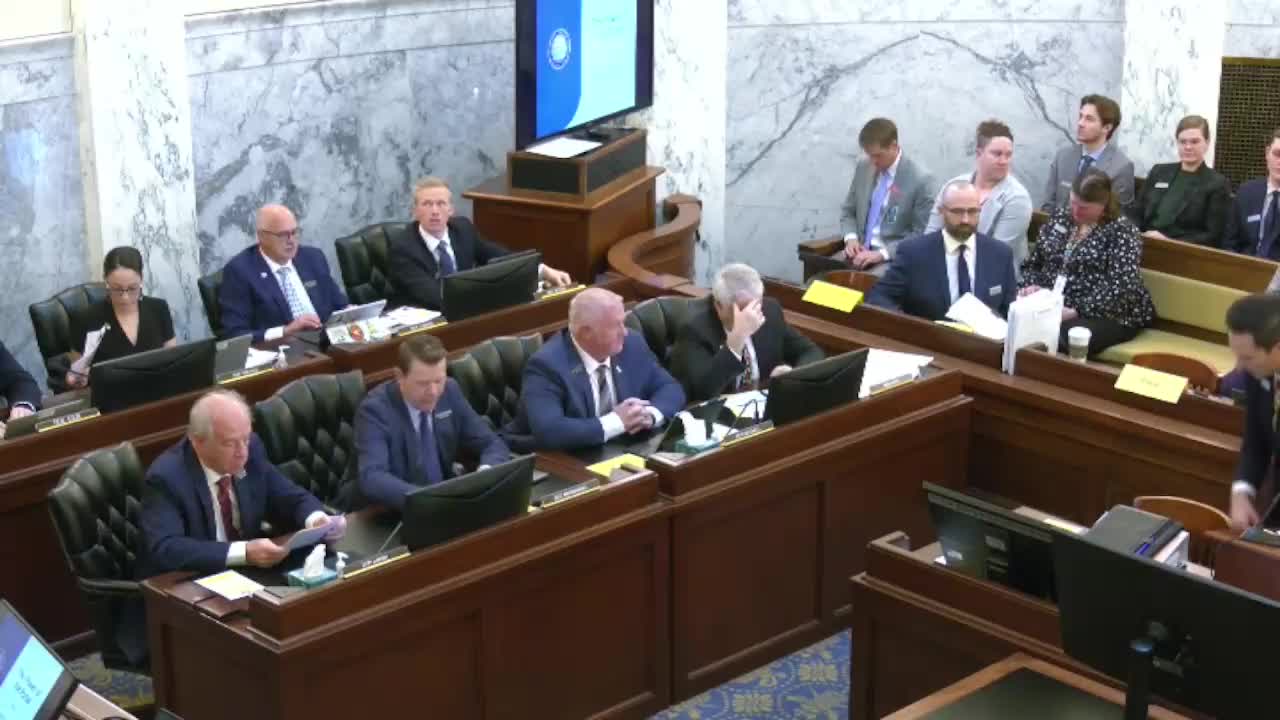
Legislative legal counsel Elizabeth Bowen briefed the Joint Finance‑Appropriations Committee on the constitutional and statutory basis for appropriation power, limits on how appropriations may be conditioned, the item veto, and statutes that govern JFAC—s duties and budget drafting.
Elizabeth Bowen, legislative legal counsel in the Legislative Services Office, presented a primer on the legal foundations of appropriation power and constraints the committee must follow. Bowen framed the topic as the legislature—s "power of the purse," described its historical origins and then reviewed Idaho constitutional provisions and key code sections that control how the legislature appropriates money.
Why it matters: appropriation authority defines what the executive can and cannot do with state funds and sets the legal boundaries for budget language, conditions and legislative intent. Bowen emphasized that appropriation acts are statutes and are subject to constitutional requirements including the balanced‑budget provision, unity of subject and title, and limitations on religious or sectarian appropriations.
Bowen summarized the key legal points for members. She reminded the committee that under Article 7, Section 13 of the Idaho Constitution money may be withdrawn from the treasury only pursuant to an appropriation made by law. She described appropriation bills as statutes subject to the same drafting requirements as other laws (enacting clause, single subject, clear title) and noted the item veto applies to appropriations but is limited to dollar amounts — the governor cannot veto or rewrite conditions attached to an appropriation.
On conditions and enforcement Bowen cited case law holding that if the Legislature places a condition on how money is to be spent, agencies must observe it. She discussed statutory authorities that specifically assign duties to JFAC (Idaho Code 67‑435 and related sections) including authority to review executive budgets, conduct hearings, request agency financial reports and draft appropriation bills. Bowen noted statutory reporting requirements for agencies, DFM—s January 15 reporting duties and the committee—s authority to subpoena and examine records if necessary.
She also reviewed budgeting technicalities lawmakers see in practice: appropriations are organized by account categories (personnel, operating, capital outlay, trustee/benefit payments), transfers across categories require special procedures and transfers over 10% generally need legislative approval, and appropriations are normally available for a single fiscal year unless the appropriation expressly provides otherwise.
Ending: Bowen told the committee that clear drafting and use of conditions, limitations and restrictions are routine and enforceable ways the Legislature protects its appropriation choices. Members asked technical questions about mid‑year shortfalls and options (board of examiners transfers, supplemental appropriations or special session) and Bowen and staff described the standard legal and administrative pathways.