Get Full Government Meeting Transcripts, Videos, & Alerts Forever!
Get email alerts on the Jail Procurement topic
No spam. Unsubscribe anytime.
Howard County adopts Indiana Code 5-23 resolution to preserve build-operate-transfer option for new jail
Summary
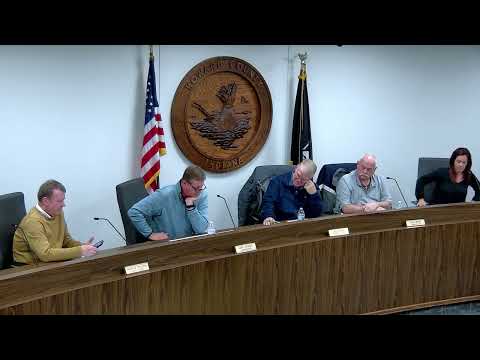
Howard County commissioners on Dec. 16 adopted a resolution formally adopting the provisions of Indiana Code 5-23 to preserve the county's ability to use a build-operate-transfer (BOT) or other public-private agreement for development of a new jail.
Howard County commissioners on Dec. 16 adopted a resolution formally adopting the provisions of Indiana Code 5-23 to preserve the county's ability to use a build-operate-transfer (BOT) or other public-private agreement for development of a new jail.
County Attorney Alan Wilson presented the resolution, saying the action "does not lock the board into doing the BOT method. But if the BOT method is chosen, this is the first step to take." Wilson recommended adoption to keep procurement and financing options available. The board voted by voice to approve the resolution.
The resolution, filed as Resolution No. 2024 bccr-20 in the transcript, directs the county to comply with the processes and procedures in Indiana Code 5-23 before entering any public-private agreements and authorizes county officers to execute documents necessary to effect the resolution. The document also states conflicting ordinances or resolutions are repealed to the extent of conflict and includes severability and effectiveness provisions.
Wilson read the resolution text aloud during the meeting and urged the board to adopt the provision to keep options open for the new jail project. Commissioners moved, seconded and approved the resolution by voice; the transcript records immediate adoption after the vote.
Why it matters: Adopting Indiana Code 5-23 lets the county solicit proposals and enter into agreements that may include private financing, construction, operation and eventual transfer of facilities. County officials said adoption is procedural and does not commit the county to a particular procurement path.
What happened next: After the vote the meeting continued with routine business and holiday remarks from commissioners. The board did not adopt any separate procurement decision at this meeting; the resolution preserves the statutory path should the county later choose it.