Get Full Government Meeting Transcripts, Videos, & Alerts Forever!
Get email alerts on the Education Schools topic
No spam. Unsubscribe anytime.
Placer High and Confluence present school-year updates as graduation, cell-phone policy and student supports draw attention
Summary
Administrators and teachers from Placer High School and Confluence continuation high school reviewed enrollment and achievement data, new student supports and policies — including a tightened cell-phone rule — and highlighted gains at Confluence in graduation, attendance and reduced suspensions.
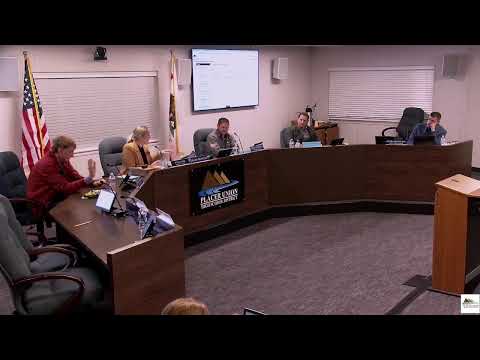
Placer Union High School District administrators on Monday presented semester updates from Placer High School and Confluence continuation high school, emphasizing increases in graduation outcomes, expanded intervention and student-support programs, and new on-campus policies intended to boost instructional time.
The evening’s presentations, led by Placer Principal Jamie Jackson and a team of administrators and teachers, outlined schoolwide priorities including competency-based education (CBE) implementation, targeted intervention schedules, and a revised cell-phone policy. "The theme of this year is about Placer presence — being present at our events, at our games, in your classes, being engaged in your learning," Principal Jamie Jackson said.
Placer staff described efforts to raise college- and career-readiness metrics while responding to changing student demographics. Social studies teacher Jeff James said the school’s English-learner population roughly doubled from about 4.3% in 2018 to 8.9% in the most recent reporting and that the Hispanic share of enrollment rose to about 27%. Assistant Principal Courtney Doylin presented graduation-rate data that show the school’s overall rate in recent reporting at 95.8%; she noted subgroup gains, including a 15.4 percentage-point increase among students with disabilities and a 9.1-point increase in the cohort of students experiencing homelessness.
Administrators credited targeted interventions, an expanded dual-enrollment program and growth in Career Technical Education participation for some of those gains. Teacher Trenton Deacon described math supports — integrated-math readiness courses, peer tutors funded with Title I dollars, and an online adaptive practice tool called ALEKS — that staff said helped several students move from incomplete to passing grades late in the term.
Placer also has tightened its cell-phone policy. Assistant Principal Jeff Walters said the school moved in January from allowing teachers discretion (backpack storage, caddies or lockers) to a clearer expectation: phones must be secured in a teacher-managed caddy, locker or the school’s phone storage. "It's working. Our teachers are very happy," Walters said. Staff said the change reduced out-of-class trips and informal device use during instruction.
Confluence lead teacher Melanie Hall and her staff described the continuation program’s focus on life skills, internships and relationship-centered work. The Confluence team credited steady adult relationships, expanded mental-health supports and hands-on programs — including a new community garden and a tiny-home construction project — with improvements in student outcomes. Confluence’s reported 2023–24 graduation rate was 69%; staff said attendance improved and suspensions declined as staff stability and outreach increased.
Confluence students and staff underlined the program’s individualized, hands-on approach. Student Diamond Thomas described building garden beds, participating in outdoor trips and the school’s emphasis on resilience: "You get to go out and do new things and try new things and it's just such a great thing," she said.
Nut graf: The presentations highlighted how district high schools are adapting instruction and student supports to changing demographics and needs — from schoolwide shifts to CBE and math-readiness supports at Placer to Confluence’s wraparound services and internship partnerships. Administrators said they will continue to refine scheduling, credentialing and curriculum choices as new state requirements (discussed elsewhere on the agenda) and local needs evolve.
Supporting details: Placer staff listed several operational changes: a campus-focused welcome evening that replaced a traditional back-to-school night; removal of vending machines to reduce off-campus trips; staff-recognition practices; and a student advisory council connecting student voice across Placer and Confluence. Confluence staff described 22 internships cleared, ongoing community partnerships (Auburn Rotary among them) and plans for future off-campus learning experiences that administrators said broaden students’ post‑graduation options.
What still needs work: Administrators flagged programmatic and scheduling tensions ahead of new state requirements: the state has signaled new graduation-course expectations for ethnic studies and financial literacy, and local administrators are reviewing how to accommodate those courses (and required credentialing) without displacing key offerings. Jackson and district staff said they will return to the board with policy recommendations once state funding and requirements are clarified.
Ending: Administrators invited trustees and community members to on-campus learning walks and community events planned in the coming weeks; Del Oro’s learning walk and Placer’s Hillman Showcase were cited as upcoming opportunities for trustees to see classroom practice and student projects firsthand.