Get Full Government Meeting Transcripts, Videos, & Alerts Forever!
Get email alerts on the Form Based Code topic
No spam. Unsubscribe anytime.
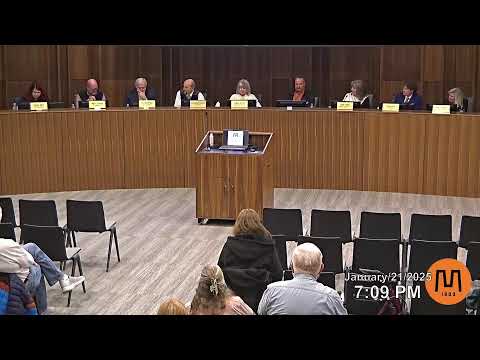
Murray committee of the whole hears update on proposed form‑based code for city center
Summary
City staff and consultants presented a near‑final draft of a form‑based code for Murray City Center, describing how the code would replace the existing MCCD zoning, regulate building form and public frontage, and streamline approvals for projects that meet the new standards.
MURRAY, Utah — Murray City Council’s committee of the whole received a briefing Tuesday on a draft form‑based code that city staff and consultants say would replace the existing MCCD zone across the city center and focus regulation on building form and street‑facing design rather than a long list of permitted uses.
City planners and the consultant team said the code aims to provide predictable rules for the next 20–30 years, encourage street‑facing commercial and mixed uses, and allow existing businesses to remain unless a redevelopment changes a property’s footprint or scale.
At the meeting, Chad Wilkinson, Planning Department staff, and Mark Morris of VOTA Landscape Planning presented the draft and a set of “form districts” that would regulate height, setbacks and façade articulation. Morris said the code “recognizes that market conditions often drive which uses are going to pencil with any particular development” and that the emphasis is on how buildings address the street rather than a narrow use list.
The presentation included a prototype analysis using the Wells Fargo parcel at State Street and Vine Street to show how the code’s dimensional and façade standards would apply to a potential redevelopment. Morris said the prototype is intended as a graphic tool: “It’s a lot easier to look at a graphic of a building and say, here’s where they’re not meeting that, than to put up a bunch of text.”
Committee members pressed several practical points: how the code would treat signage and neon or marquee signs; where required parking would be located; thresholds for administrative approvals; and whether the code would require electric‑vehicle charging stations. Morris and Wilkinson said signage standards are included in the draft; parking in most cases would be below or behind buildings to maintain active street frontages; and EV station language had been discussed but that the city has not yet adopted a separate EV requirement, so consultants recommended removing an explicit mandate from the draft until the city establishes a policy.
Councilmember Paul Pickett and others asked about giving staff authority to grant administrative approvals for projects that meet the code’s standards. Wilkinson said that is a feature of the code intended to make predictable approvals faster, but that the city must set thresholds carefully so the public still has input on larger changes. “One of the advantages to a form based code is because of the structure of the code…if you stick to the form based code, you get a faster track approval,” Wilkinson said.
Consultants cited several nearby cities that have used form‑based codes, including Midvale and parts of Salt Lake City, and said outcomes depend on the mix of supporting tools — for example, whether redevelopment incentives or RDA funding accompany the new code. Morris said the code is intentionally site‑specific, with five form districts proposed for the Murray City Center area, including a boulevard district for State Street with additional architectural guidance to preserve historic character.
The committee took the presentation as an update. Staff said they are finalizing revisions, will continue working with the steering committee and planning commission comments, and plan to bring a public‑hearing draft back to the council in coming months.
Proponents and critics at the planning commission had asked detailed questions about signage, parking, and how the code would interact with existing development agreements; Wilkinson said staff had “taken careful notes” and would consider those comments in the next draft. No formal action was taken by the council at this meeting.